


Inpatient rehab facilities offer round-the-clock support for both physical and emotional needs during recovery. These programs create a safe space where people can focus entirely on healing without outside distractions. Therapy sessions help uncover what's driving the addiction and teach real coping skills that stick. The structured environment also builds a strong foundation for staying sober long after treatment ends. This post covers the main benefits of choosing an inpatient program over other treatment options.
24/7 Medical and Emotional Support
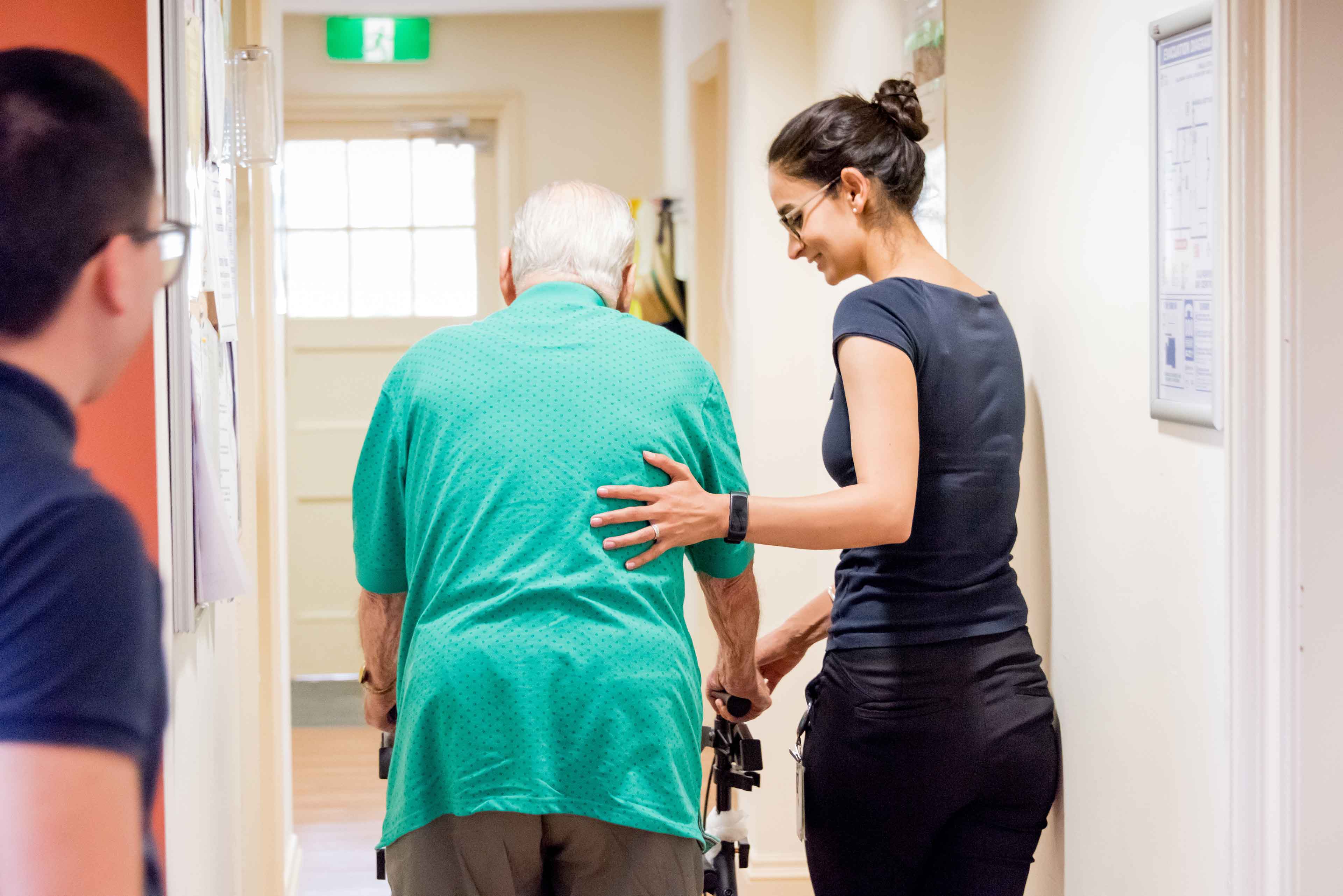
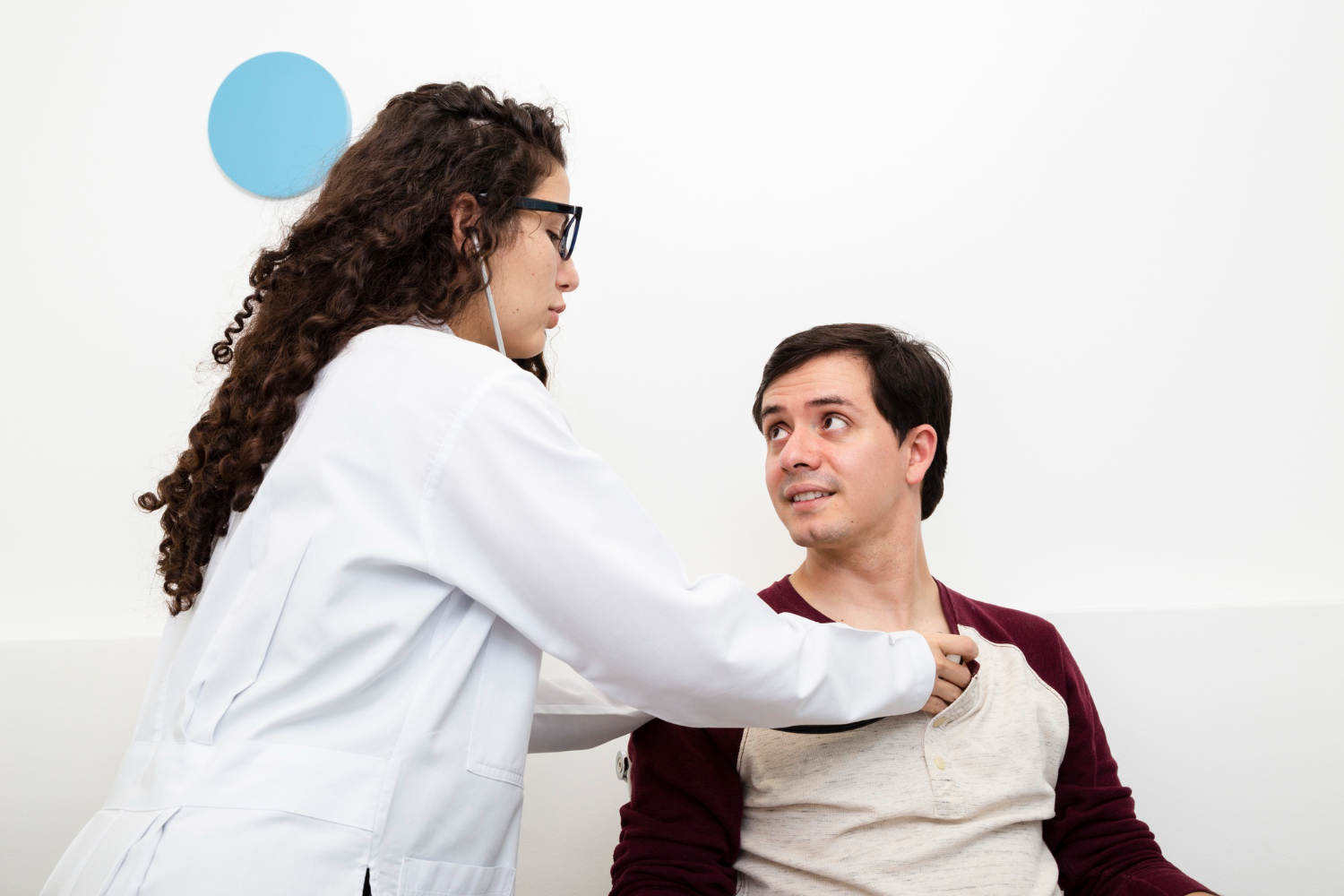
At inpatient drug rehabilitation centers, people receive full medical and emotional support throughout their recovery. This kind of care addresses both the physical and mental sides of addiction at the same time. Doctors and nurses stay on-site to monitor withdrawal symptoms, manage medications, and handle any health issues that come up during detox. Therapists and counselors provide emotional support through individual and group sessions, helping people understand why they started using and how to cope going forward. The combination of medical care and emotional guidance creates a safe environment where people can focus on getting better without outside noise getting in the way.
Safe and Drug-Free Environment
A safe, drug-free setting makes a real difference in recovery outcomes for people in inpatient programs. These facilities keep individuals in a protected space where they can heal without the distractions and temptations that got them into trouble before. By cutting off access to drugs and alcohol inside the treatment center, the program gives people a chance to break free from the addiction cycle. This secure setup protects physical safety while also supporting emotional well-being, so people can fully commit to their recovery. With staff available 24/7 and a structured daily routine, patients can thrive and work toward a healthier, drug-free life.
Intensive Therapy and Counseling
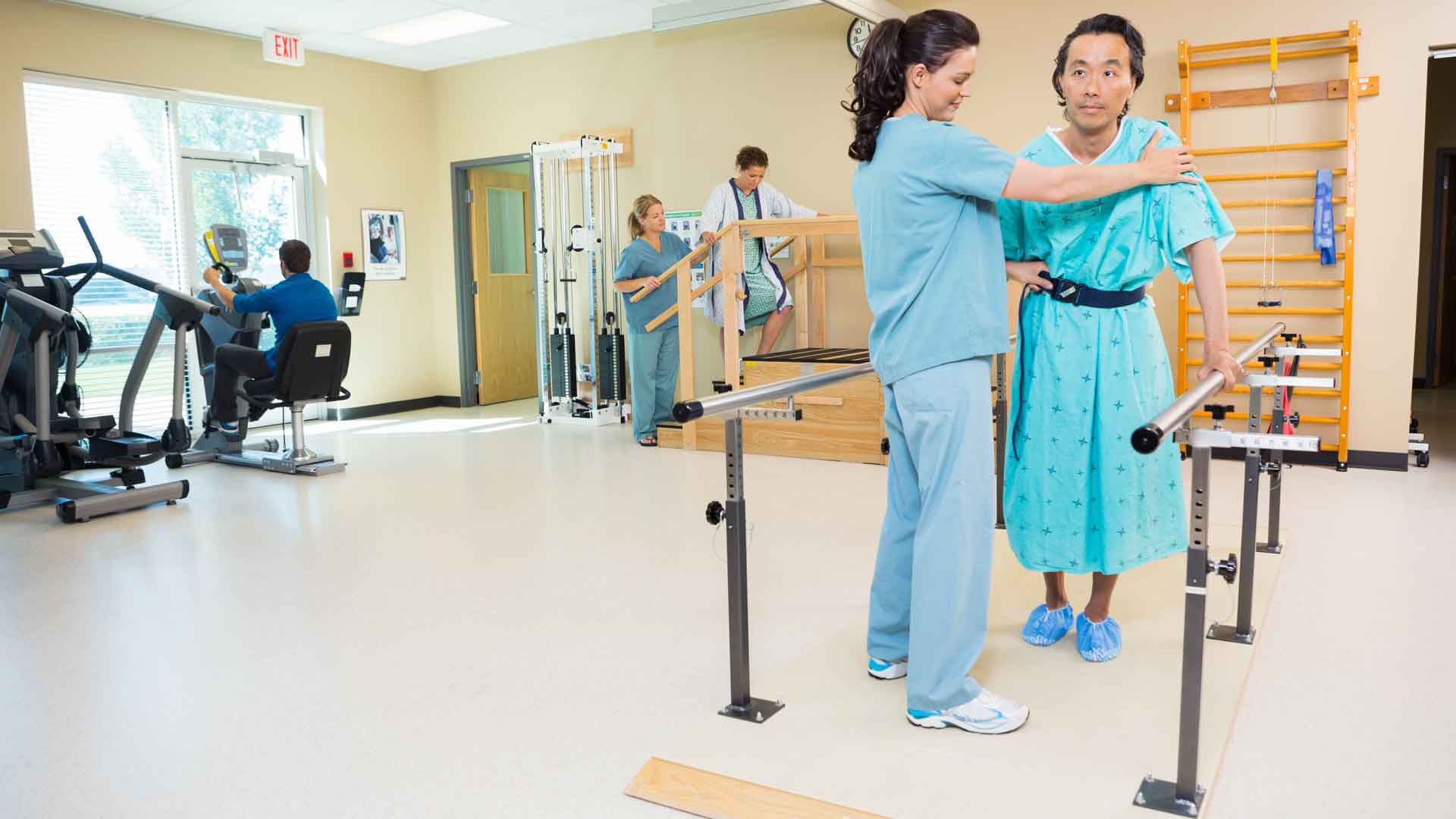
Inpatient drug rehabilitation programs provide intensive therapy and counseling sessions that give personalized support along the way. These sessions dig into the root causes of addiction, helping people understand their triggers and build coping strategies that actually work. Experienced therapists offer evidence-based treatments such as cognitive-behavioral therapy and motivational interviewing, tailored to each person's situation. Through one-on-one sessions and group therapy, patients get a safe space to process their emotions, thoughts, and behaviors while building self-awareness. The intensive nature of these sessions allows for deeper breakthroughs and real progress in recovery.
Strong Foundation for Sobriety
Building a strong foundation for sobriety sits at the core of any good inpatient drug rehabilitation program. By focusing on this groundwork, patients learn to handle the challenges of staying sober with resilience and determination. Structured therapy sessions, personalized counseling, and proven interventions give people the tools they need to maintain sobriety long after they leave the facility. Programs emphasize self-awareness, coping skills, and relapse prevention techniques to strengthen each person's commitment to staying clean. With a solid foundation in place, patients can approach their recovery with confidence, knowing they have what it takes to succeed long-term.
Holistic Recovery Approach
A holistic approach to recovery addresses the connected needs of mind, body, and spirit to promote complete healing and lasting sobriety. This type of care recognizes that addiction touches every part of a person's life. Through personalized therapy, nutrition guidance, exercise, and mindfulness practices, people can build a balanced and healthy lifestyle. Mental and emotional well-being matter just as much as physical health when it comes to staying sober. This full-picture method helps people find the root causes of their addiction, develop coping strategies, and build resilience. By taking care of the whole person, these programs create a supportive space where people can heal, grow, and lay the groundwork for a fulfilling life without substances.
Higher Success Rates
Residential drug rehabilitation programs often show higher success rates for achieving long-term sobriety. The structured environment provides constant support, reducing the risk of relapse. A mix of individual therapy, group counseling, and medical supervision provides people with well-rounded care that meets their needs. These programs also offer a break from the triggers and temptations of everyday life, letting people zero in on their recovery. The immersive nature of residential treatment builds a sense of community among participants, creating a support network that helps sobriety stick. With more accountability and a focus on developing coping skills, residential drug rehabilitation gives people a much better shot at sustained recovery.
Related Topics:


.png)
.png)
.png)
.png)
.png)
.png)
.png)
.png)
.png)
.png)















.png)


.png)
.png)


.jpg)


