

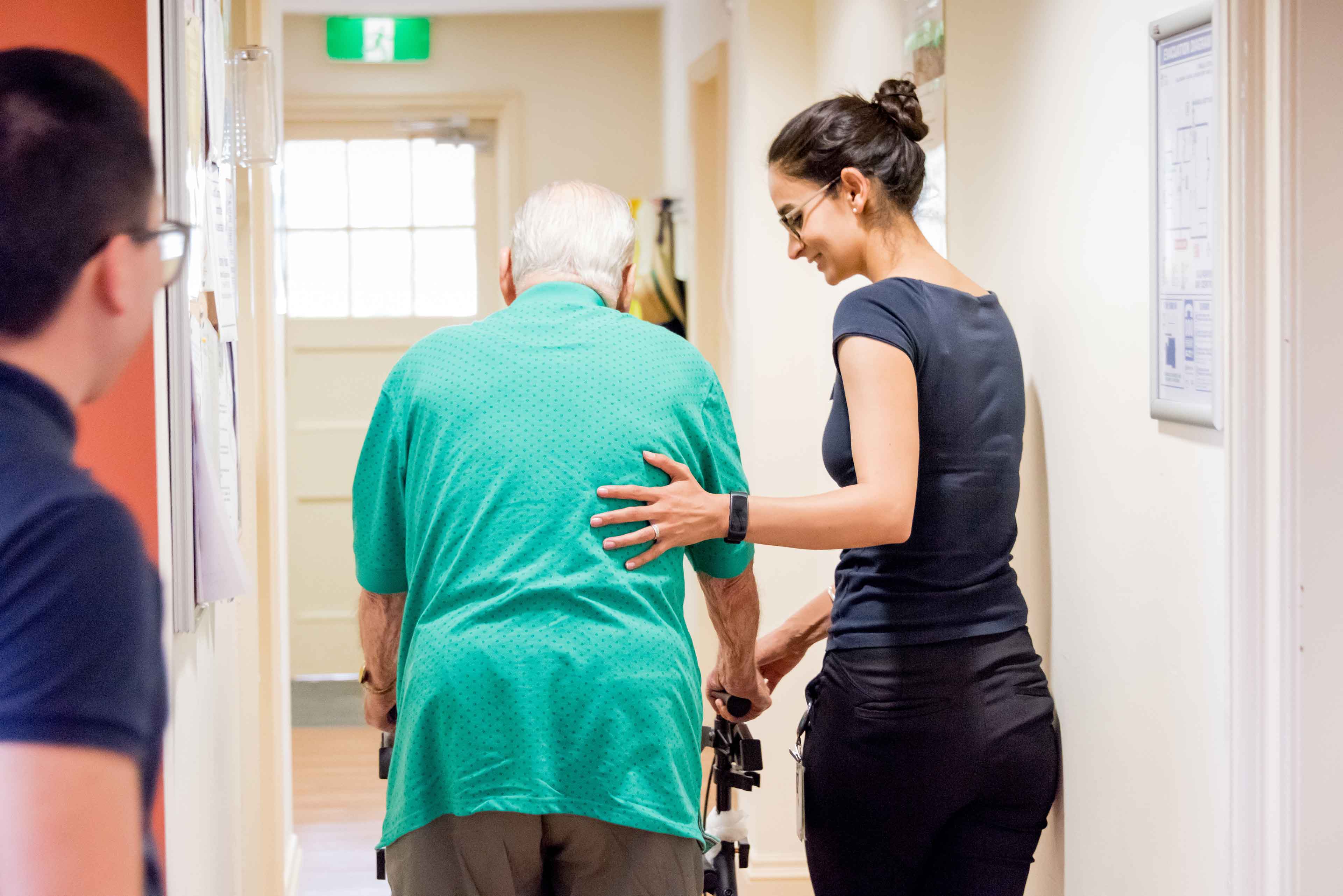
Inpatient rehab provides 24/7 medical care, personalized therapy, and a supportive community, all under one roof. A leading rehab program offers structured days packed with therapeutic activities, healthy meals, and mental health support. Medical professionals oversee medications, treatments, and emotional well-being to make sure nothing falls through the cracks. Being around others on the same path builds connection, accountability, and shared insight. This post covers how inpatient rehab works, what services are offered, and why this approach gets results.
Benefits of Inpatient Rehab
The benefits of inpatient rehabilitation add up quickly when you consider what the environment offers. Patients receive round-the-clock medical supervision and support, ensuring any issues are addressed promptly. The structured daily schedule helps people build healthy routines and habits that stick long after treatment ends. Being surrounded by others going through the same recovery process creates a sense of community and support that really matters during tough moments. The immersive setup removes distractions and external triggers, letting people focus on healing without interference.
Therapeutic Services Offered
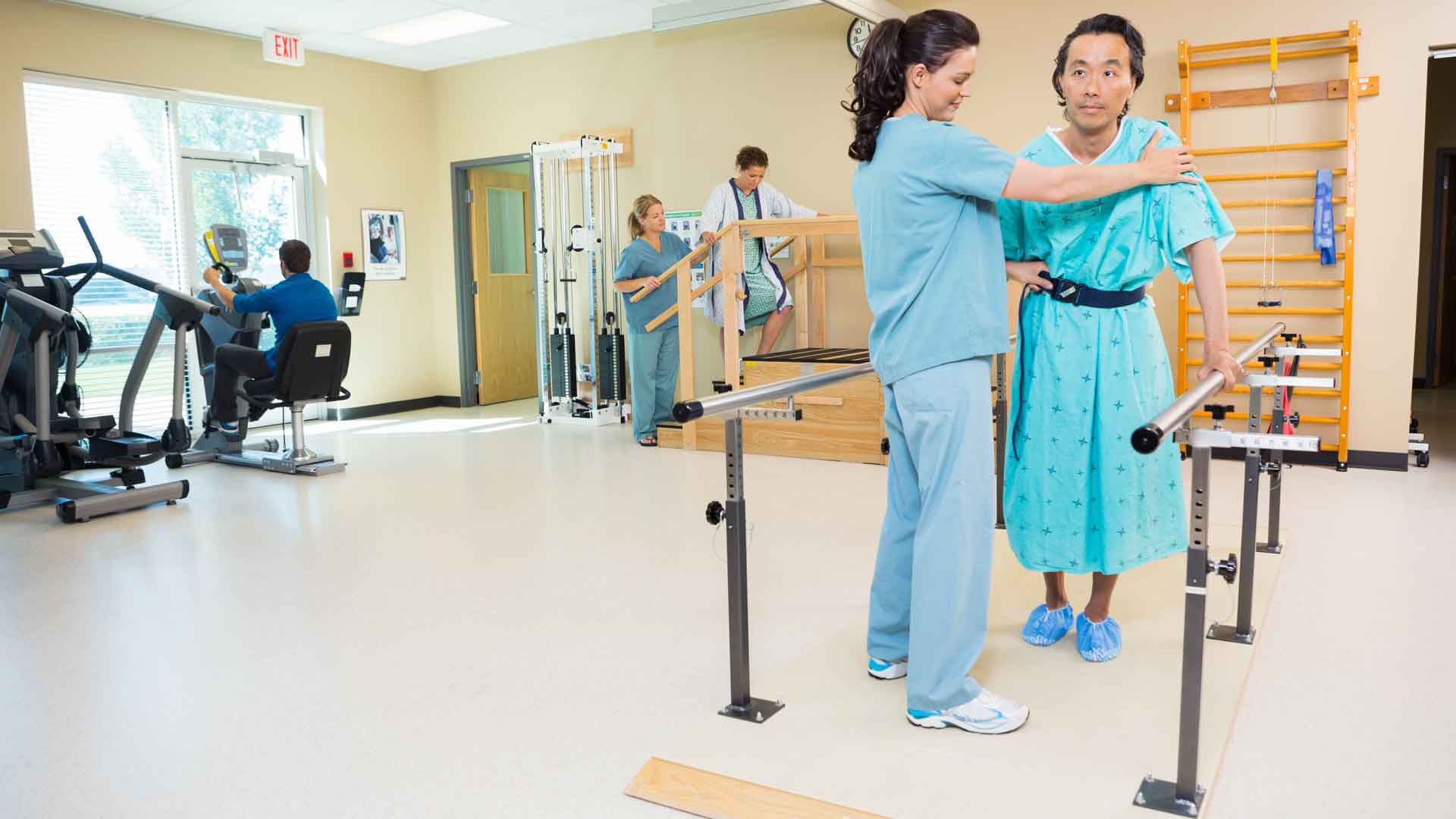
Inpatient rehab facilities offer a wide range of therapy options designed to meet each patient's specific needs. Individual therapy sessions with licensed psychologists or counselors help people work through the emotional and psychological sides of recovery. Group therapy provides patients with a space to share experiences and learn from one another in a supportive setting. Occupational therapy helps people regain everyday living skills, while physical therapy focuses on building mobility and strength. Some facilities also offer recreational therapy and holistic practices such as yoga or meditation to support overall well-being and relaxation during recovery.
Role of Medical Professionals
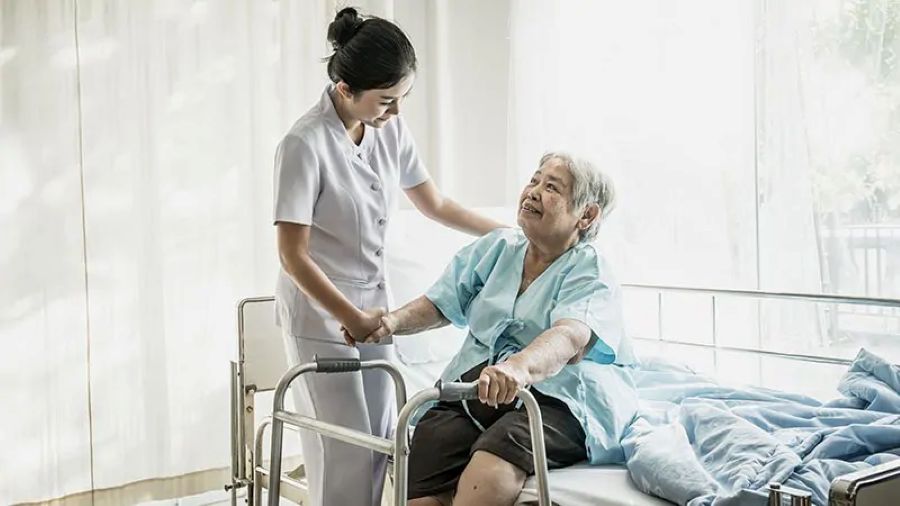
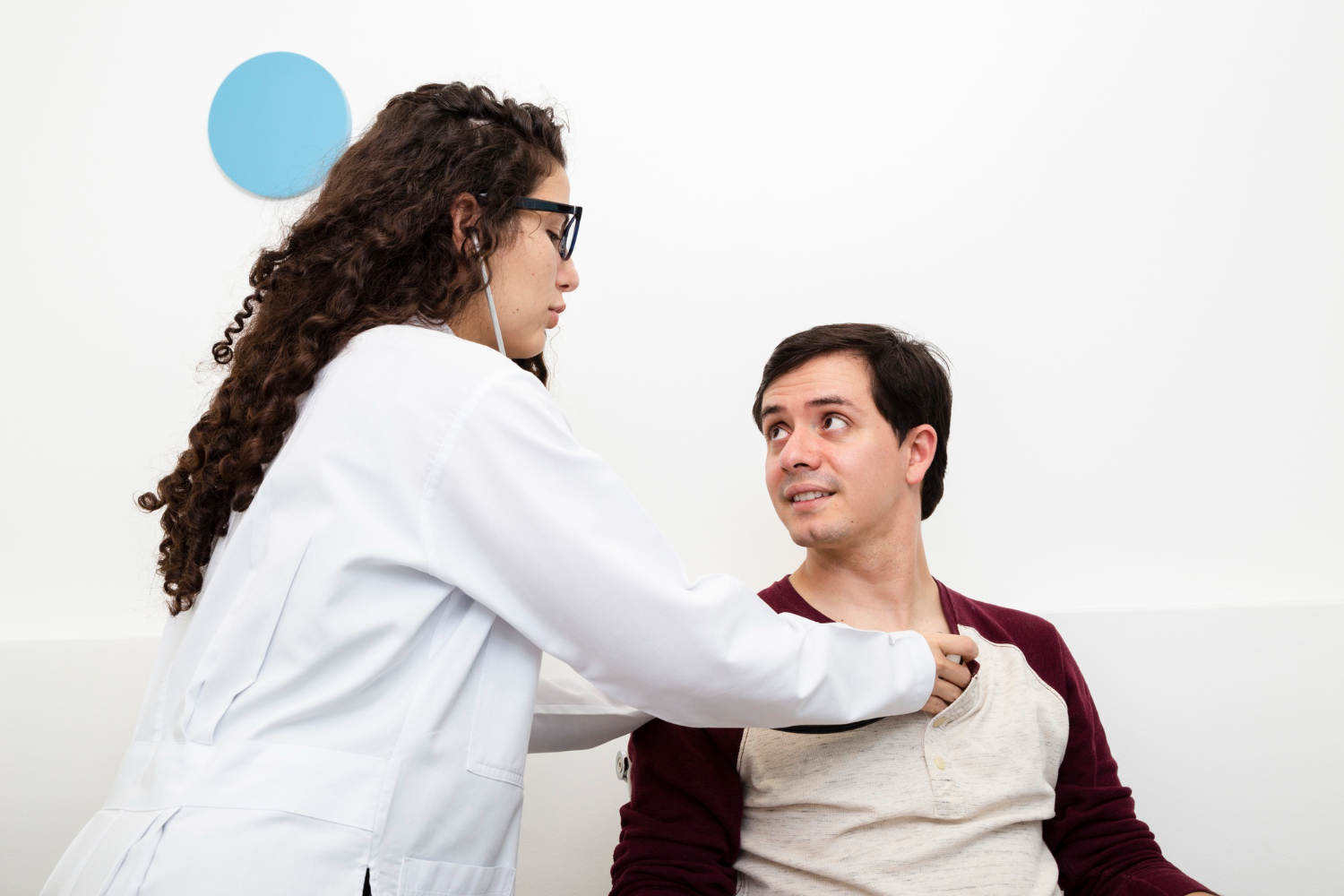
Medical professionals are at the core of the care provided in inpatient rehab facilities. The team, including physicians, nurses, physical therapists, and psychologists, works together to create treatment plans tailored to each patient. Physicians manage medical care, ensuring medications are administered correctly and that any underlying health conditions are monitored. Nurses handle day-to-day patient care, administering treatments, checking vital signs, and providing support throughout recovery. Physical therapists focus on improving movement and strength, while psychologists offer counseling and mental health support. This team approach covers both the physical and emotional sides of recovery, making the whole process more effective.
Daily Routine and Structure
A structured daily routine is key to getting the most out of inpatient rehab. Each day is planned out to balance therapeutic activities that support recovery and well-being. The schedule usually includes individual therapy sessions, group counseling, physical therapy exercises, educational workshops, and recreational activities.
Mornings often start with exercise or meditation to set a positive tone for the day, followed by nutritious meals to fuel the body for therapy. Throughout the day, patients participate in both one-on-one and group sessions, providing time for personal reflection and community support. This structured approach builds discipline, tracks progress, and helps form healthy habits that last beyond treatment.
Importance of Peer Support
Connecting with peers in an inpatient rehab setting can make a real difference in someone's recovery. Peer support creates a space where people facing similar challenges can share experiences, show empathy, and encourage each other. Being around others builds a sense of community, reduces feelings of isolation, and keeps everyone accountable. Through these connections, people learn coping strategies, gain new perspectives, and form relationships that last beyond the program. Peer support also gives people a chance to practice social skills, handle conflict, and communicate more effectively, all of which matter for long-term recovery. The friendships and support from peers play a big part in making rehab successful.
Aftercare Planning and Support
Strong aftercare planning and support are a big deal for staying sober after leaving inpatient rehab. This means putting together a clear plan with strategies and resources to help people transition back to daily life. Aftercare usually includes regular therapy sessions, support group meetings, and the development of healthy routines. Ongoing support from counselors or therapists helps people manage challenges and triggers they encounter after leaving the structured rehab environment. Aftercare may also involve family participation, job assistance, and access to community resources. Having a solid aftercare plan in place lets people continue building on the progress they made during treatment and reduces the risk of relapse.
Related Topics:


.png)
.png)
.png)
.png)
.png)
.png)
.png)
.png)
.png)
.png)
















.png)


.png)
.png)


.jpg)


