


Acute inpatient drug rehab is often discussed when someone needs more than occasional support and less than long-term residential care. People searching for a local inpatient rehab usually want to understand what this level of treatment actually looks like day to day, not just how it sounds on paper. The experience is shaped by medical needs, emotional stability, and how quickly someone responds to care. Knowing how these programs work can help set realistic expectations before admission even happens.
The Basics of Acute Inpatient Rehab
Acute inpatient rehab takes place in a medical setting where individuals stay onsite while receiving care. The goal during this period is stabilization rather than long-term lifestyle change. Care teams pay close attention to physical symptoms, mental health concerns, and overall safety. The environment limits outside distractions so attention can stay on recovery and symptom management. For many people, this setting feels intense at first, but it can also bring relief when support is available at all times.
Admission Process and Criteria
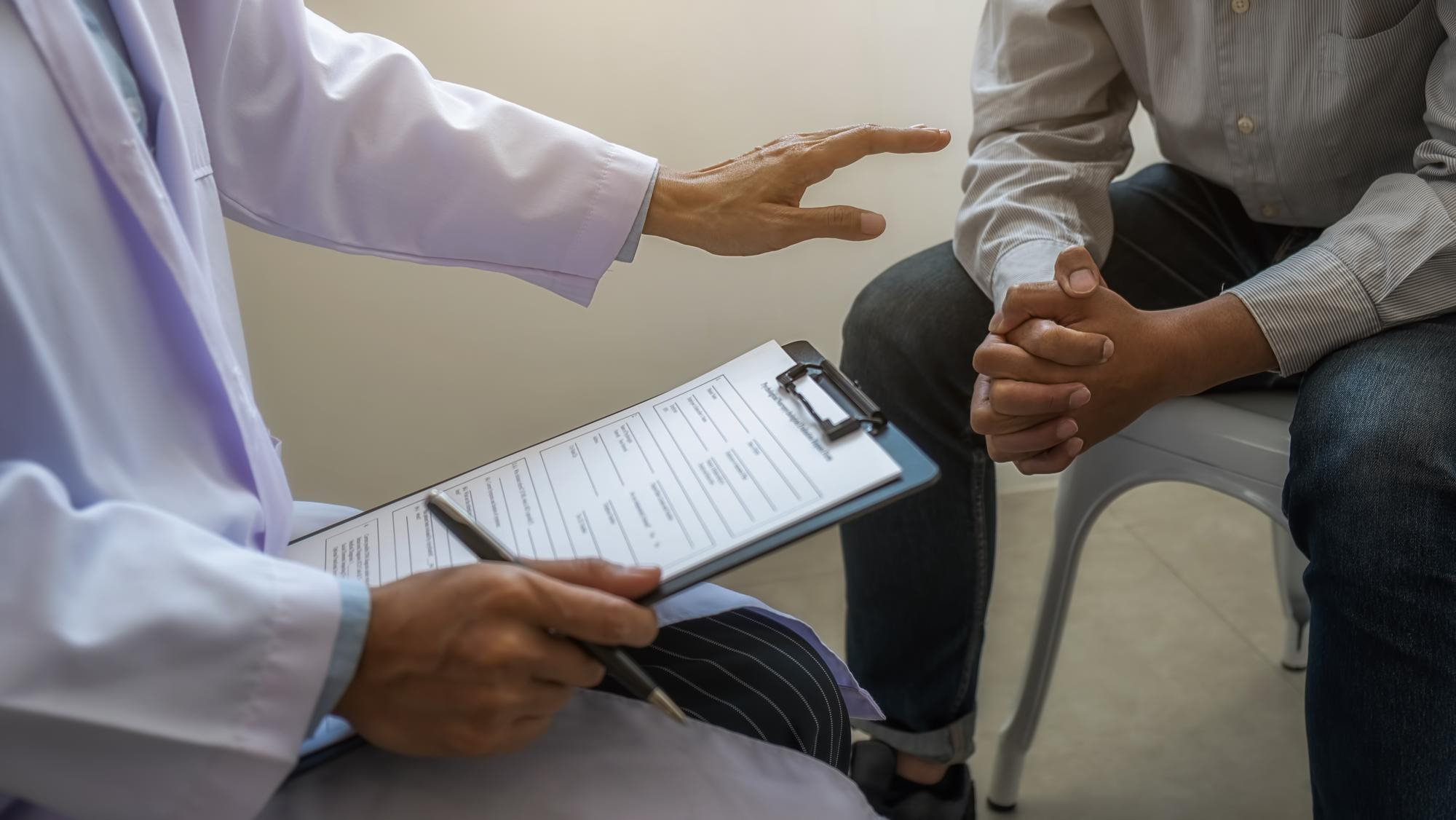
Admission usually begins with an evaluation to understand what support is needed right now, not what might be needed months later. Medical history, substance use patterns, and mental health symptoms are reviewed carefully. Providers look at whether symptoms could worsen without supervision or whether withdrawal presents health risks. The decision to admit someone is based on current condition rather than labels or assumptions. This approach helps make sure the level of care matches the situation.
Treatment Modalities Offered
Treatment during acute inpatient rehab centers on immediate needs. Therapy sessions often focus on emotional regulation, stress response, and identifying patterns that led to the current crisis. Medical care may be part of treatment if symptoms require monitoring or adjustment. Sessions are paced to match the individual’s condition, especially during the early days when energy and focus may be limited. The aim is to help someone feel stable enough to move forward with ongoing care after discharge.
Staffing and Support Services
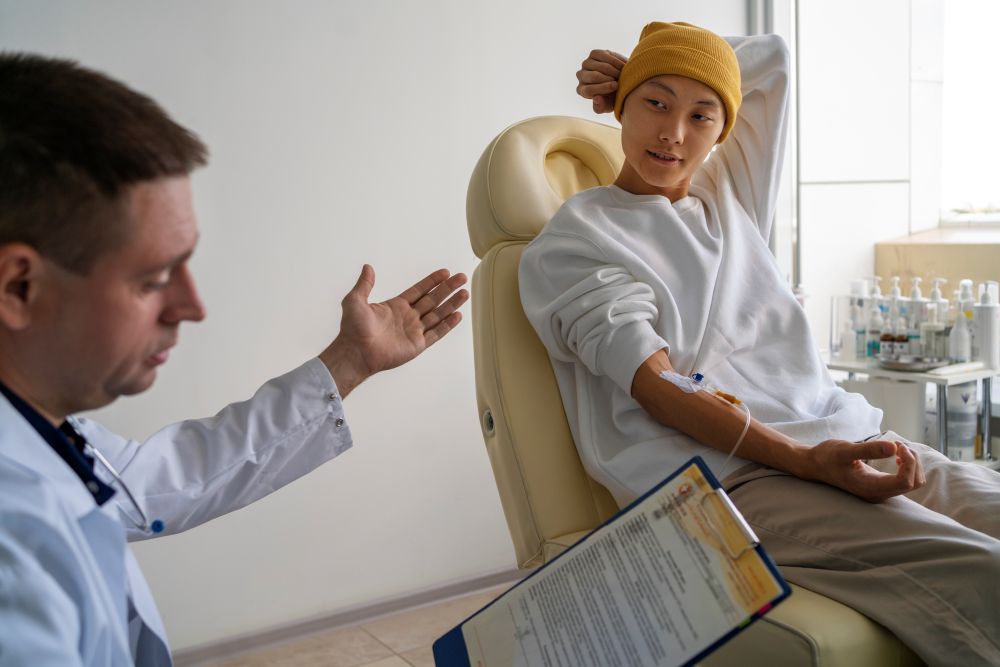
Care is provided by teams trained to handle both medical and psychological concerns. Staff members remain available throughout the day and night, which allows changes in condition to be addressed quickly. This constant presence often helps reduce anxiety, especially for individuals who feel unsafe or overwhelmed when symptoms intensify. Support is not limited to scheduled sessions, and that availability can make a noticeable difference during difficult moments.
Duration of Stay and Discharge Planning
Length of stay varies and depends on how someone responds to treatment, rather than a preset timeline. Some people stabilize within a short period, while others need more time before stepping down to another level of care. Planning for discharge begins early so the transition does not feel abrupt. The goal is to connect individuals with appropriate follow-up care that supports continued progress after leaving the facility.
Aftercare and Relapse Prevention
Leaving acute inpatient rehab does not mean recovery work is finished. Ongoing support helps individuals adjust back into daily routines while maintaining stability. Continued therapy, medical follow-up, or structured programs may be recommended depending on individual needs. Learning how to respond to stress, cravings, or emotional setbacks is part of this stage. With consistent support, many people are better prepared to manage challenges as they arise.
Related Topics:














%20(1).jpg)
.jpg)

.jpg)



.jpg)
.jpg)


.png)
.png)




















.png)
.png)
.png)
.png)
.png)
.png)
.png)
.png)
.png)
.png)



















.png)