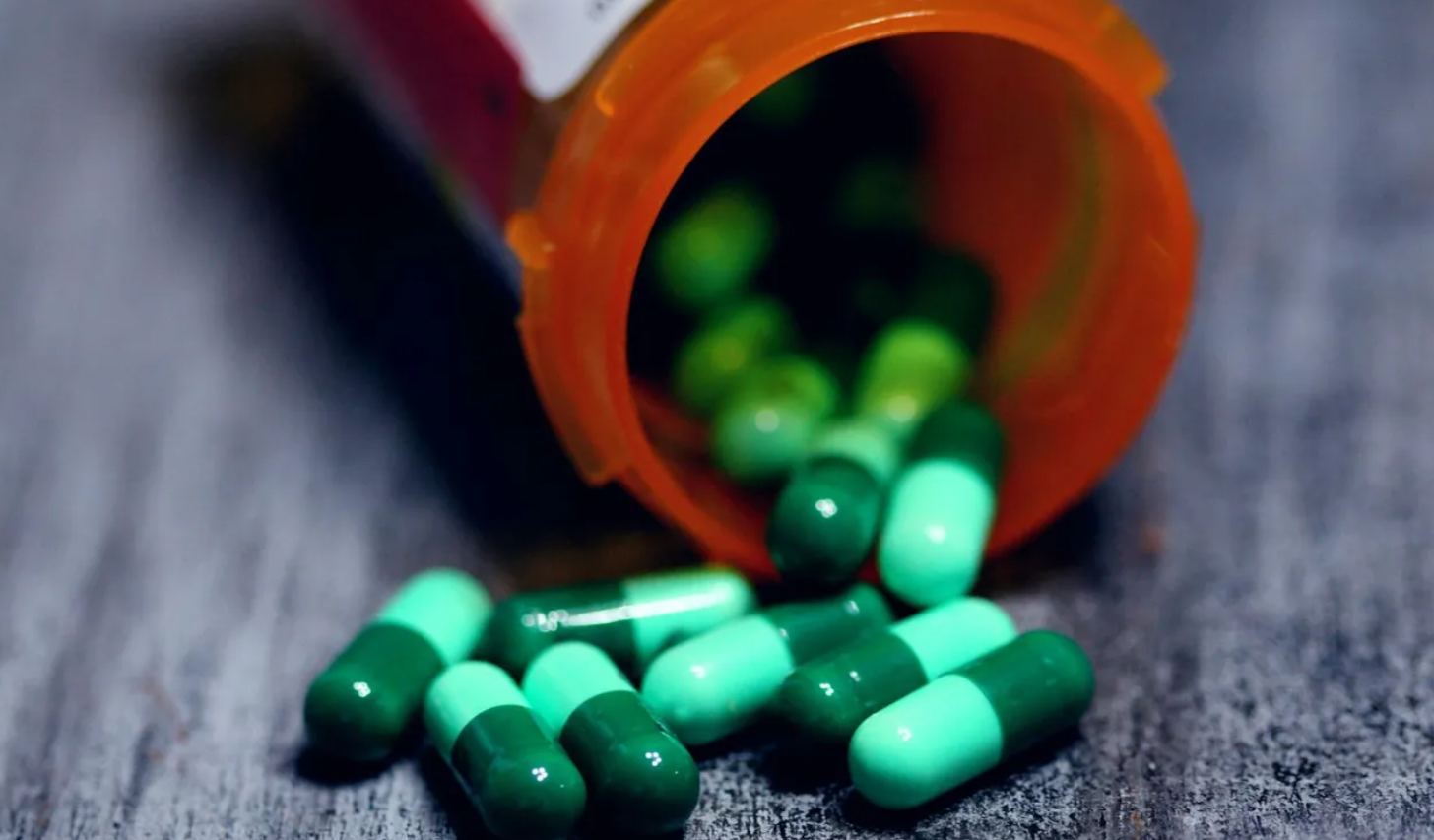
Thinking about drug detox can be confusing because it’s different for everyone. How long it takes to stabilize depends on a bunch of things, like the drug, how long you’ve been using it, your health, and stuff like that. Early withdrawal can hit both physically and mentally, which can feel pretty intense. Talking to a professional drug detox center or even just getting advice from one can help you figure out what might happen.
Honestly, detoxing isn’t just stopping use; it’s getting your body and mind to a place where things feel somewhat normal again. It takes time, and sometimes it’s slower than you expect. Understanding what’s coming can make it less stressful.
Factors Influencing Detox Duration
Everyone’s body is different, so detox time varies a lot. The type of drug, how long you’ve been using it, and how much you take all matter. Even your metabolism and overall health can speed things up or slow them down.
So someone might get through it faster, and someone else might take longer. That’s just the way it is. Knowing that ahead of time can save a lot of worry. Progress isn’t always neat or predictable, and that’s fine.
Early Withdrawal Symptoms
Early withdrawal symptoms show up in different ways. You might feel anxious, moody, unable to sleep, sweaty, or have aching muscles. Nausea can pop up, too. It’s uncomfortable, but it’s the body figuring out how to cope without the substance.
These symptoms are temporary, I promise, and a sign that things are starting to adjust. Talking to someone, a friend, family member, or a professional, helps a lot. Even just venting or saying “ugh, this sucks” can make it easier to handle.
Peak Withdrawal Period
After a few days, some people hit the peak period. This is when symptoms are the worst. Cravings can feel overwhelming, and your body is in shock.
It’s rough, no way around it. Having someone check in, even for a short chat, makes a difference. Remember, it doesn’t last forever, and each hour you get through counts.
Medical Detox Options
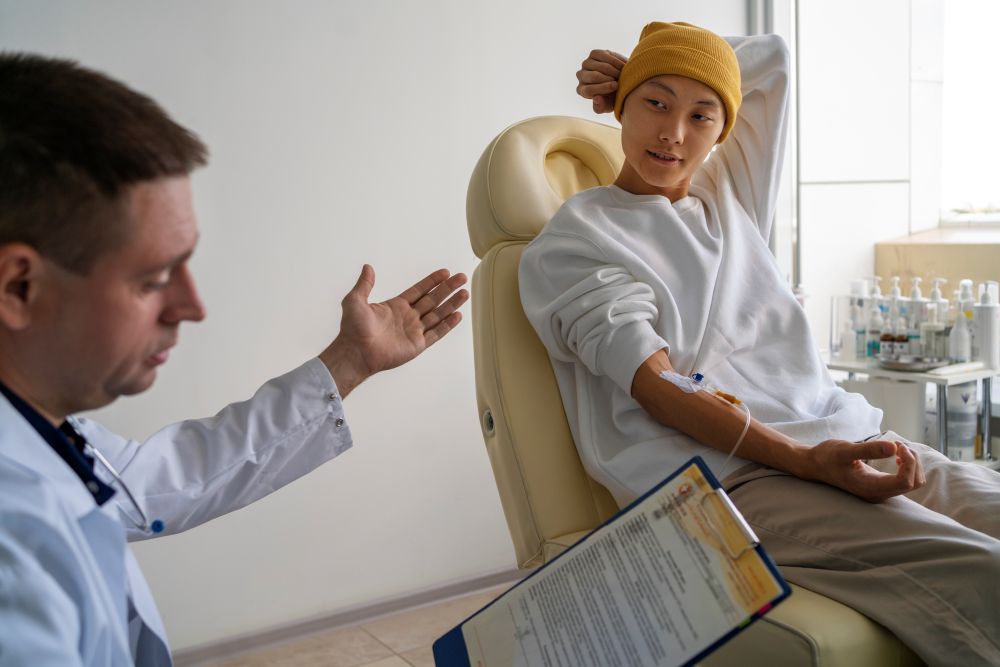
Medical detox is, well, it’s like a safety net. Professionals monitor your vitals, give medications if needed, and guide you through the hard parts. Emotional support is included, too, which you might not get on your own.
Choosing a medical option helps your body and mind get through detox safely. It reduces the risk of complications and makes things more manageable. Knowing someone is there if something goes wrong is comforting.
Transition to Stabilization Phase
Once the worst is over, you move into stabilization. This is where your body starts feeling a bit normal again, and your mind isn’t so chaotic. Symptoms are still monitored, meds adjusted, and support continues.
You also start learning ways to stay sober after detox. It’s less dramatic than the first few days, but still important. This stage sets the tone for what comes next in recovery.
Achieving Stabilization
Stabilization means your body isn’t freaking out anymore, and you can handle normal routines. Symptoms are under control, and support is still there.
Care is customized therapy, coping strategies, and education on relapse prevention. Staff check in regularly to make sure nothing sneaks up on you. The goal is just feeling steady and ready for the next part of recovery. A medically supervised drug detox center in NYC can guide you from the first withdrawal symptoms all the way to stabilization, with staff checking in at every stage.
Related Topics:


























%20(1).jpg)
.jpg)

.jpg)



.jpg)
.jpg)


.png)
.png)























.png)
.png)
.png)
.png)
.png)
.png)
.png)
.png)
.png)
.png)