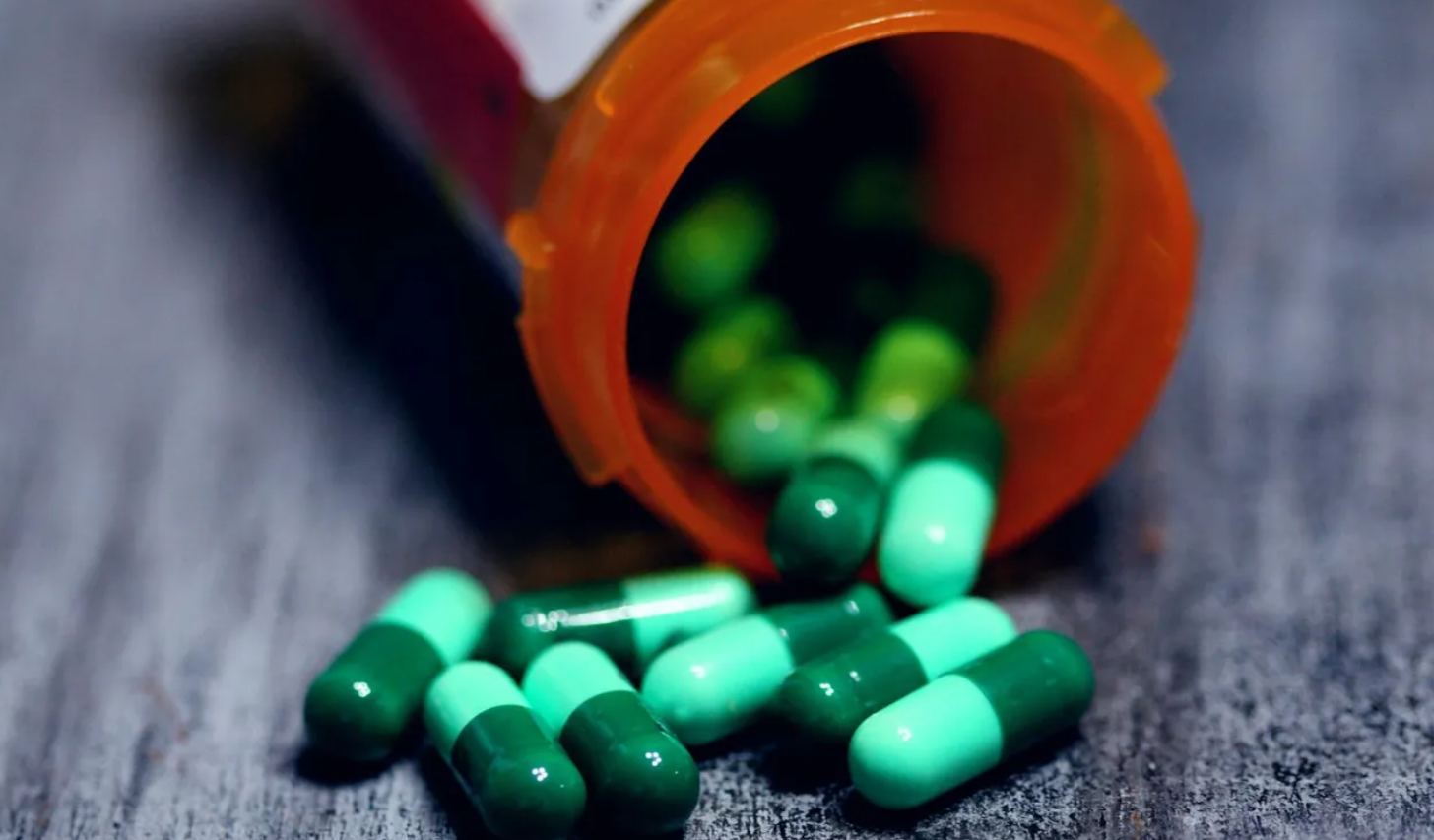
Starting a drug detox at home can feel scary, honestly. There’s a lot to think about, and it’s easy to feel lost at first. Taking even a little time to plan things helps. Talking to a trusted drug rehab in New York, even to get some guidance, can make it feel less overwhelming.
Detoxing at home isn’t impossible, but it’s not exactly simple either. You’ll need patience and a bit of trial and error. Some days will feel rough, but having a plan helps you stick with it.
Understanding Your Drug Use
It really helps to pause and look at how often you’re using drugs and why. Like, what makes you reach for them in the first place? Writing it down or just thinking about it helps you notice patterns.
Also, think about how it affects your work, relationships, or even just your day-to-day mood. This isn’t about judging yourself or beating yourself up. It’s more like figuring out what’s really going on so you can handle it better.
Setting Realistic Goals
Going cold turkey might seem like the “right” way, but honestly, smaller steps usually work better. Maybe you cut back gradually or set a consistent routine. Things won’t always go perfectly, and that’s okay.
Some days will be easier, some harder, and yeah, you might slip up. That doesn’t mean you’ve failed. Adjust your goals as you go and keep your focus on staying sober in ways that actually work for you. Small wins matter more than you think.
Establishing a Support System
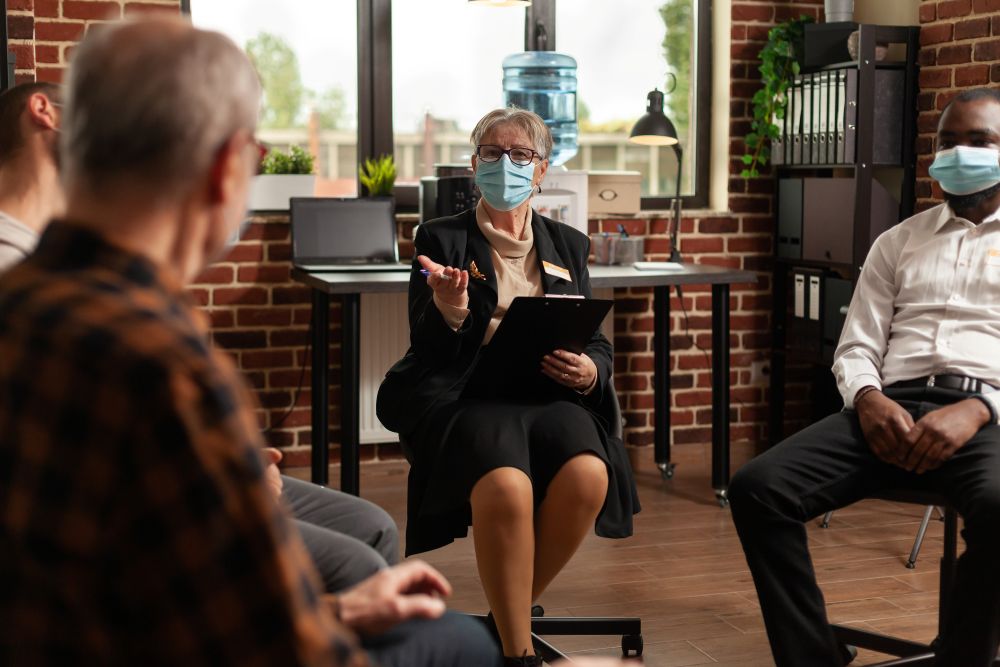
Even at home, having people who get it makes a huge difference. Friends, family, or even someone you can text regularly can help you stay on track. Don’t feel weird about leaning on them; it’s normal.
Just talking about cravings or rough days can take some of the pressure off. Knowing someone is checking in, even from far away, helps a lot. It makes everything feel a bit more manageable.
Creating a Safe Environment
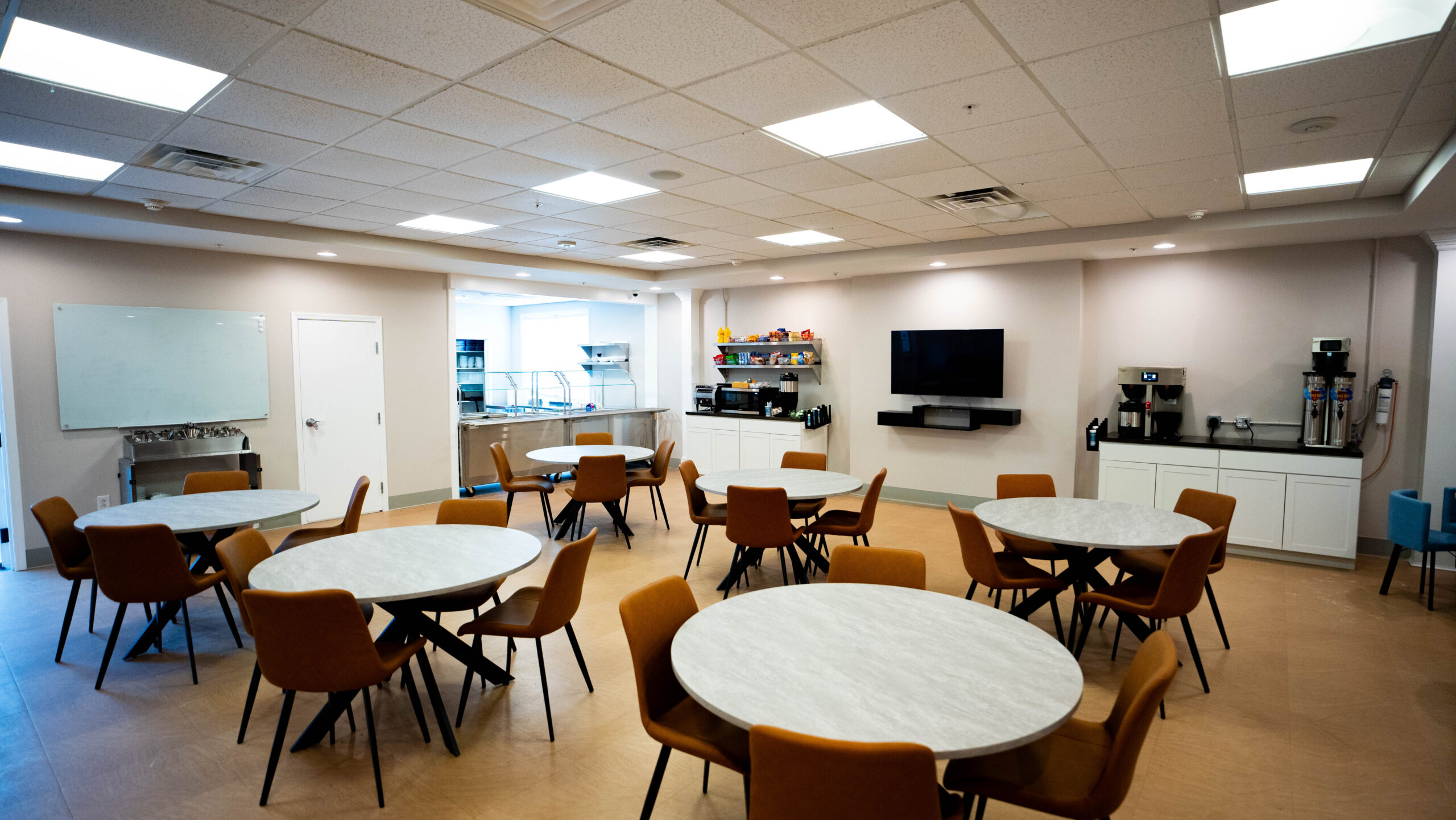
Your space really affects how well you manage. Get rid of anything that might trigger cravings. Make your home comfortable, tidy, and quiet if you can.
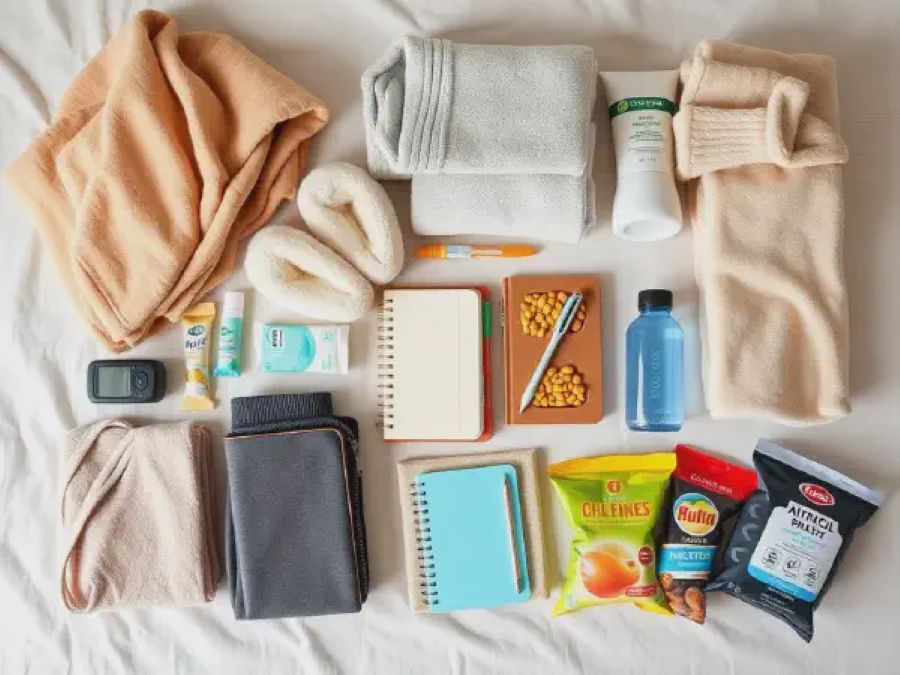
Keep water and snacks nearby, and have numbers ready to call in an emergency. Even if nobody’s right there, knowing you can reach someone helps. Feeling safe where you are makes the rough days easier to get through.
Managing Withdrawal Symptoms
Withdrawal is hard, no sugarcoating it. Staying hydrated, eating simple meals, and resting when you can are big helps. Even light movement, like short walks or stretching, can ease some aches.
Talk to someone you trust if things feel heavy, and don’t ignore your feelings. Breathing exercises or just sitting quietly can help too. Your body and mind need attention right now, and that’s okay.
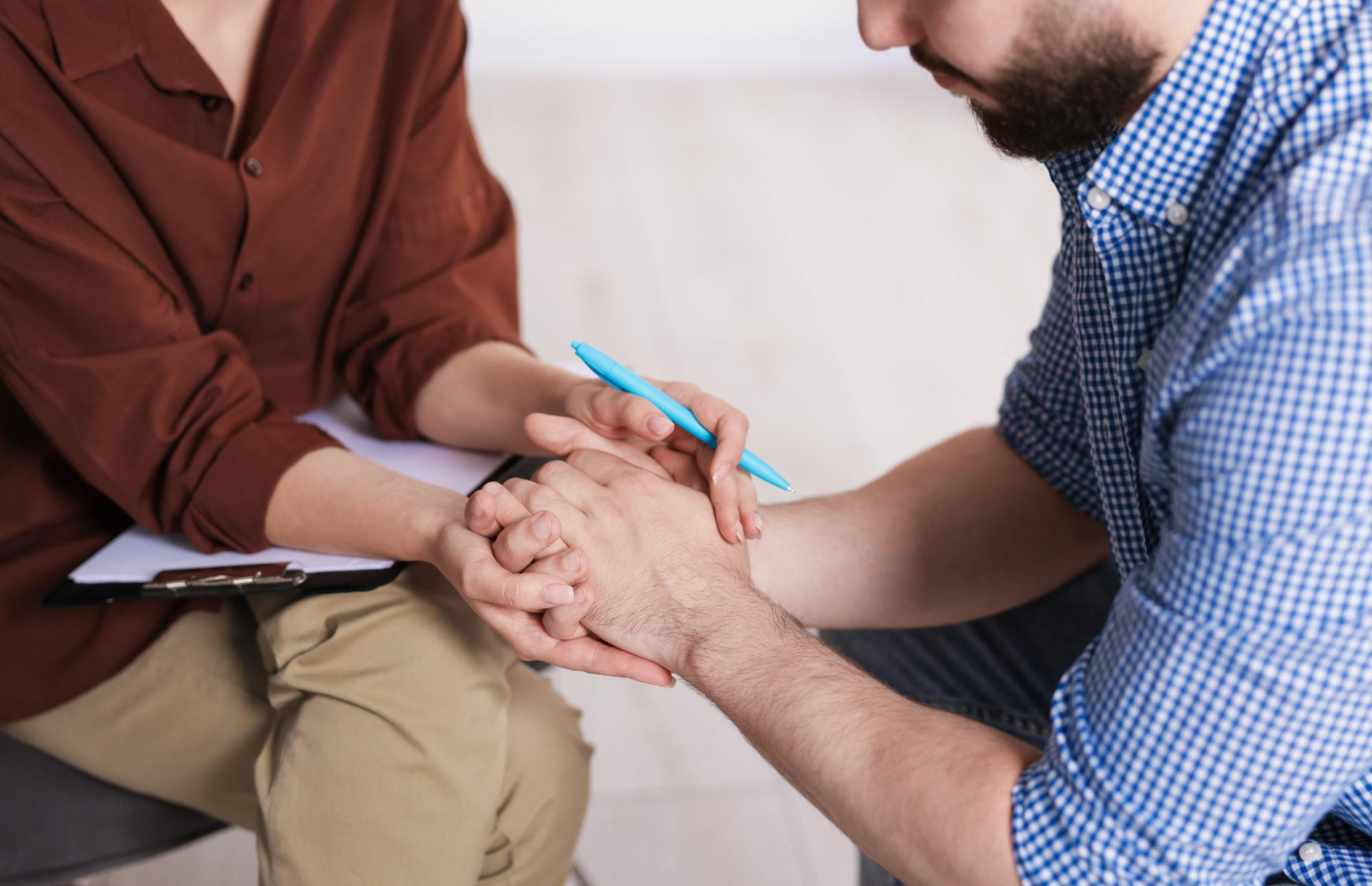
Seeking Professional Help
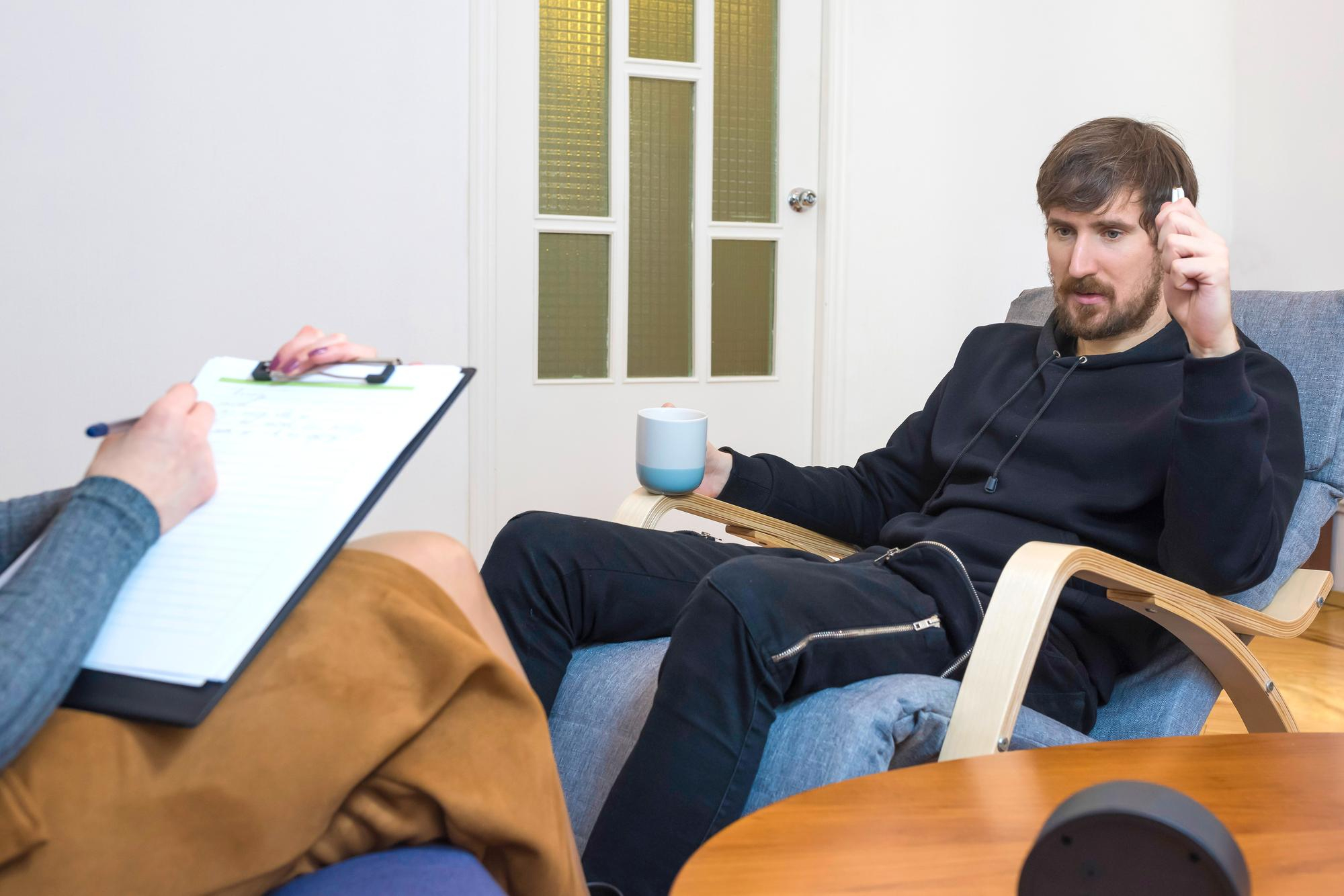
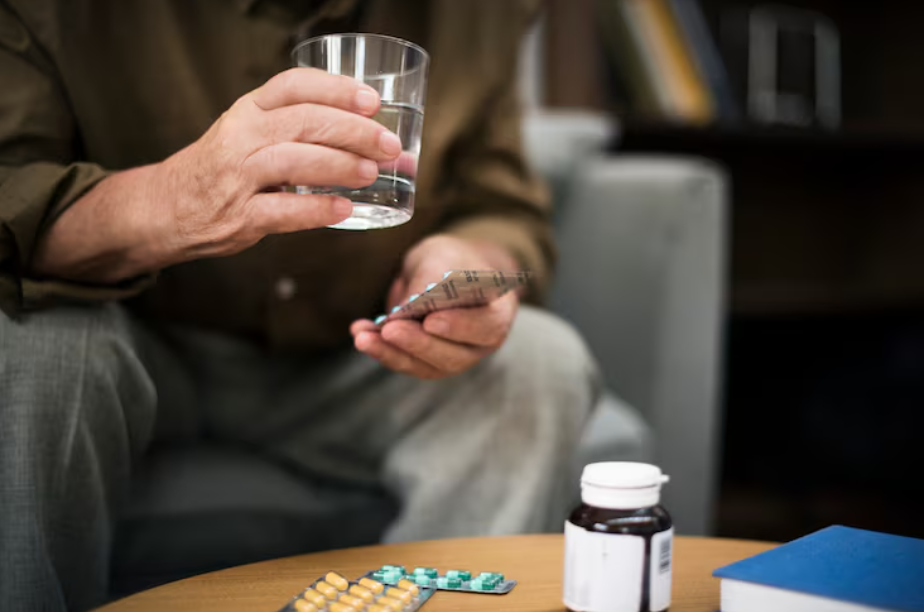
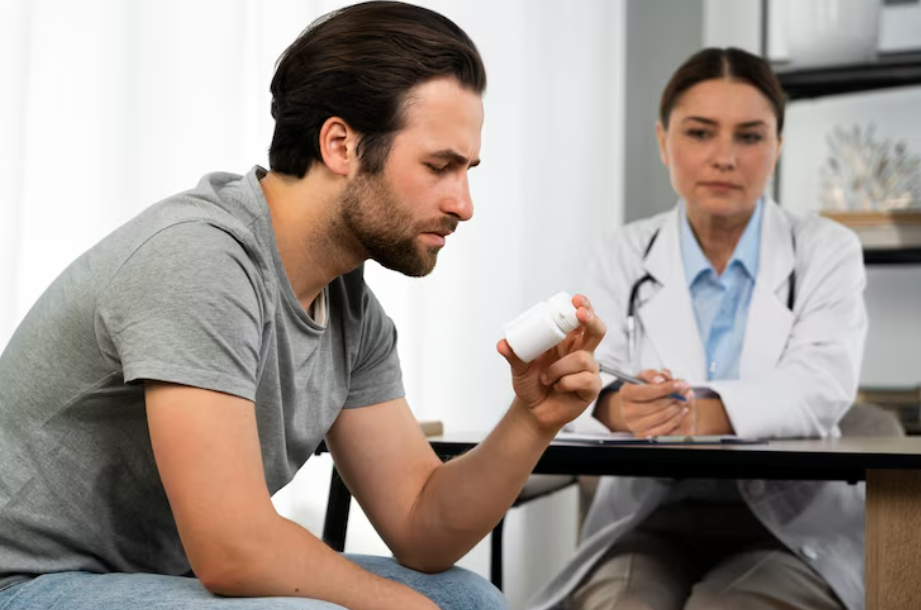
Even if you’re doing this at home, having professional guidance is worth it. A doctor or addiction specialist can help with symptoms and keep things safe. They might suggest medication or other support you wouldn’t think of yourself. Withdrawal from some substances, especially alcohol and benzodiazepines, can cause seizures and other serious complications. If you're not sure home detox is safe for you, medically supervised drug detox in NYC is the safer route.
They can also help plan the next steps after detox, so you’re not left figuring everything out alone. Having someone in your corner, even just for advice, makes a huge difference. It can take a lot of the stress off and help you stay sober longer.
Related Topics:















%20(1).jpg)
.jpg)
.jpg)



.jpg)
.jpg)


.png)
.png)
















.png)
.png)
.png)
.png)
.png)
.png)
.png)
.png)
.png)
.png)