Going through drug detox for the first time can feel scary. Your body reacts in ways you might not expect: aches, nausea, mood swings, the whole mix. Staff at a local drug rehabilitation center in NYC keep an eye on you, checking vitals and helping with symptoms so you don’t feel completely on your own.
Honestly, it’s normal to feel nervous at the start. Talking to someone who’s been through it or having a nurse explain what’s coming makes a huge difference. You’ll still have rough spots, but knowing someone’s watching out for you makes it a bit easier to handle.
Physical Withdrawal Symptoms During First-Time Detox
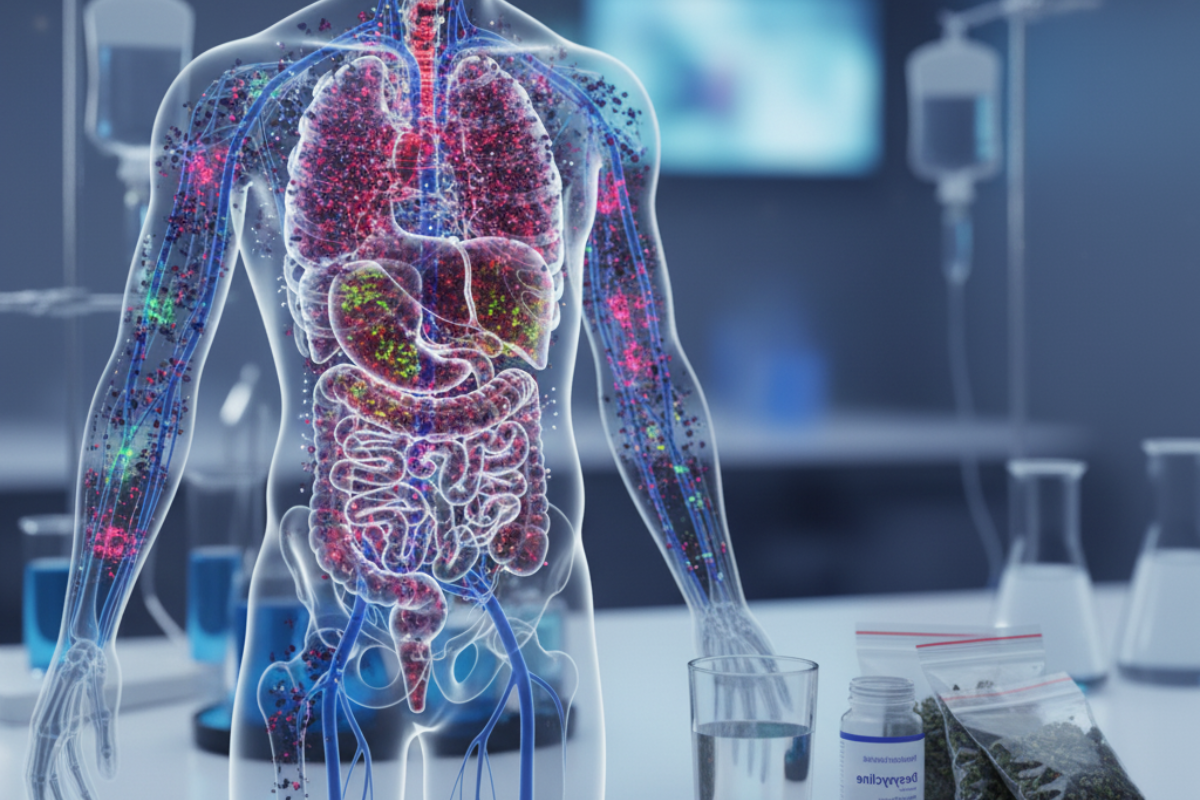
The body's response to stopping substance use varies depending on what you've been taking and for how long. Common physical symptoms include nausea, headaches, sweating, tremors, and appetite changes. Some people also experience muscle aches, fatigue, and sleep disturbances.
These symptoms happen because your body is adjusting to functioning without the substance it's become dependent on. Think of it like your system recalibrating itself. While uncomfortable, these physical effects are temporary and actually signal that healing has begun.
Staying hydrated becomes really important during this time. Staff will encourage you to drink plenty of water and eat nutritious meals when your appetite allows. Rest helps too, though sleep patterns might be disrupted initially. The medical team monitors your progress and can provide medications to ease severe symptoms when appropriate.
Emotional and Mental Health Challenges
The psychological side of detox often catches people off guard. Anxiety, depression, irritability, and mood swings are completely normal during this period. You might feel like you're on an emotional rollercoaster, and honestly, that's pretty accurate.
Many people describe feeling a sense of loss during early detox. The substance you're giving up might have been how you coped with stress or social situations. Without it, emotions can feel more intense or harder to manage.
Counselors and therapists understand these feelings and can teach you new coping strategies. Some facilities offer group sessions where you can connect with others going through similar experiences. Mindfulness techniques, light exercise when you're feeling up to it, and journaling can help process these emotions.
Patient reviews on platforms like Trustpilot frequently mention how valuable the emotional support proved during their detox experience. One verified review noted, "The staff helped me understand that feeling overwhelmed was normal and gave me tools to work through it."
Medical Monitoring and Professional Support
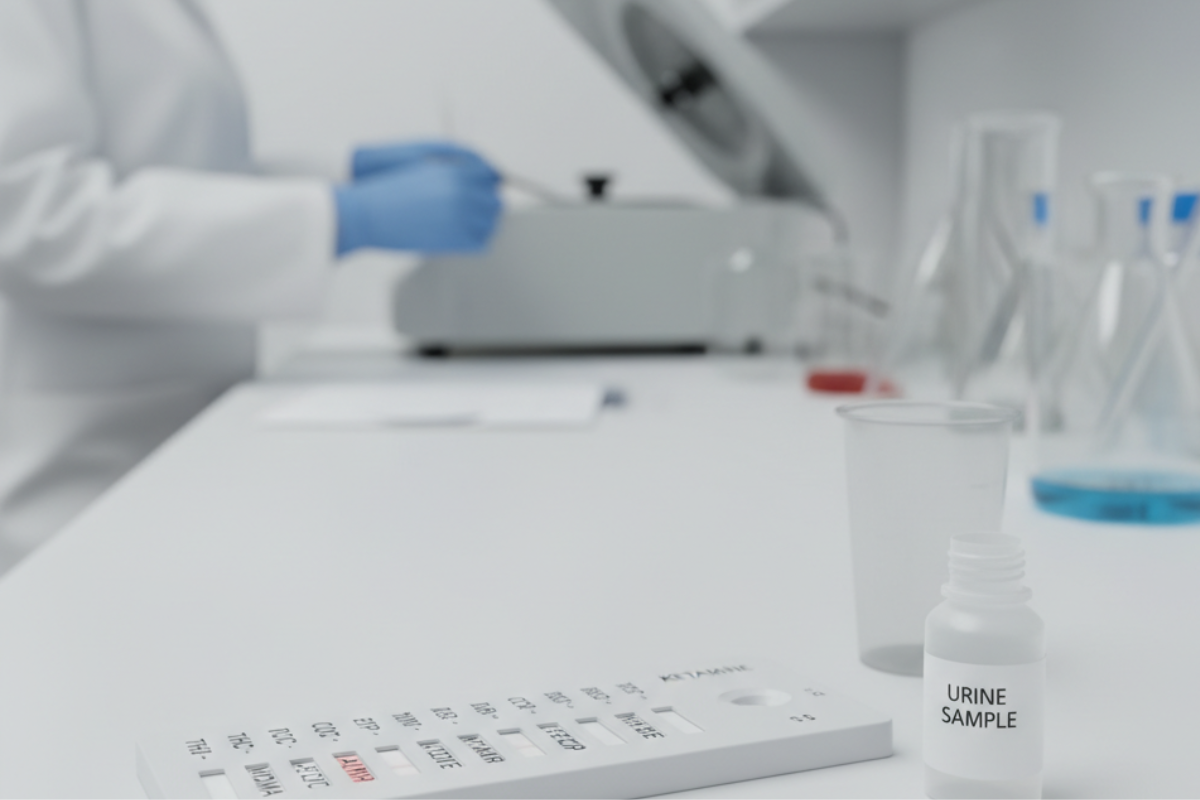
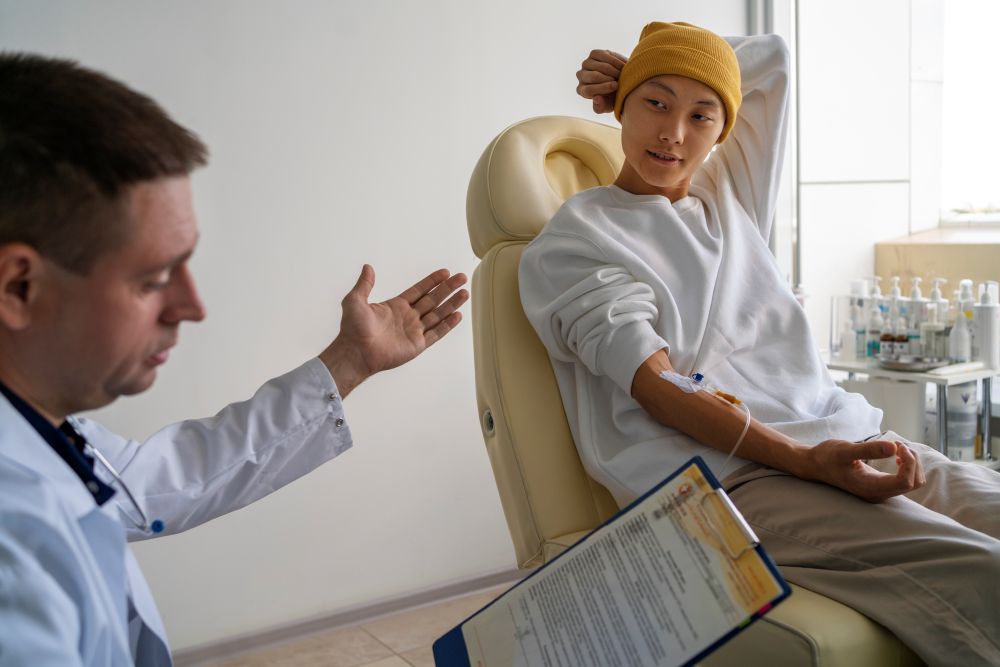
Round-the-clock medical supervision ensures your safety throughout detox. Nurses check vital signs regularly, monitor for complications, and adjust treatment plans as needed. This level of care prevents dangerous complications and provides peace of mind.
The medical team includes doctors, nurses, and addiction specialists who understand exactly what you're going through. They've seen thousands of patients successfully complete detox and know how to make the process as comfortable as possible.
If complications arise, immediate intervention is available. This might include IV fluids for dehydration, medications for severe symptoms, or other medical interventions. Having this safety net allows you to focus on recovery rather than worrying about your physical health.
Managing Cravings and Urges
Cravings hit differently for everyone. They might come in waves, triggered by stress, certain thoughts, or even specific times of day when you used to use substances. The intensity can be surprising, especially in the first few days.
Understanding that cravings are temporary helps you ride them out. Staff teach techniques like deep breathing, distraction methods, and grounding exercises. Some people find it helpful to talk through the craving with a counselor or call a support person.
The good news? Cravings do get easier to manage with time and practice. Each time you successfully work through one, you're building stronger recovery skills. Treatment centers often use evidence-based approaches like cognitive behavioral therapy to help patients develop these coping mechanisms.
Therapy and Counseling Introduction
Individual therapy sessions usually begin during or shortly after detox. These one-on-one meetings with a counselor give you space to talk about what led to substance use and start planning for long-term recovery.
Group therapy introduces you to others in similar situations. Hearing different perspectives and sharing your own experiences can be incredibly healing. Many people form lasting connections with others they meet in treatment.
Different therapy approaches work better for different people. Some respond well to cognitive behavioral therapy, which focuses on changing thought patterns. Others benefit from motivational interviewing or trauma-informed care. The clinical team works with you to find what fits your needs.
According to patient feedback surveys, therapy during detox helps people feel less alone and more hopeful about their recovery prospects.
Setting Realistic Recovery Expectations
Recovery unfolds differently for each person, but having realistic expectations helps prevent discouragement. Progress rarely happens in a straight line, and setbacks don't mean failure.
Progress Takes Time: Your body and mind need weeks or months to fully adjust to life without substances. Small improvements each day add up to significant changes over time.
Challenges Are Normal: Most people face obstacles during recovery. Difficult days, unexpected triggers, and emotional ups and downs are part of the process, not signs that something's wrong.
Support Makes a Difference: Building a network of supportive people increases your chances of long-term success. This might include family, friends, support groups, or ongoing therapy.
Treatment center outcomes data consistently show that patients who complete detox and continue with aftercare programs have significantly higher success rates than those who attempt recovery alone.
Remember, asking for help shows strength, not weakness. Every person who's successfully recovered from addiction started exactly where you are now. If you're preparing for your first drug detox in New York, our admissions team can walk you through what to expect before you arrive.
Contact Us
At Elev8 Centers, we’re here to guide you or a loved one on the path to recovery. Our team is ready to answer questions, provide information, and help you get started.
Phone:
- Intake Phone: (646) 347-1891
- Facility Phone: (833) 353-8863
Email: info@elev8centers.com
Address: 151 W 136th St, New York, NY 10030
Business Hours: Sunday - Monday, Open 24 hours
Fill out our contact form, and a team member will respond promptly. We accept most insurance plans and are committed to making your treatment process smooth and supportive.
Related Topics:



























%20(1).jpg)
.jpg)
.jpg)



.jpg)
.jpg)


.png)
.png)






















.png)
.png)
.png)
.png)
.png)
.png)
.png)
.png)
.png)
.png)