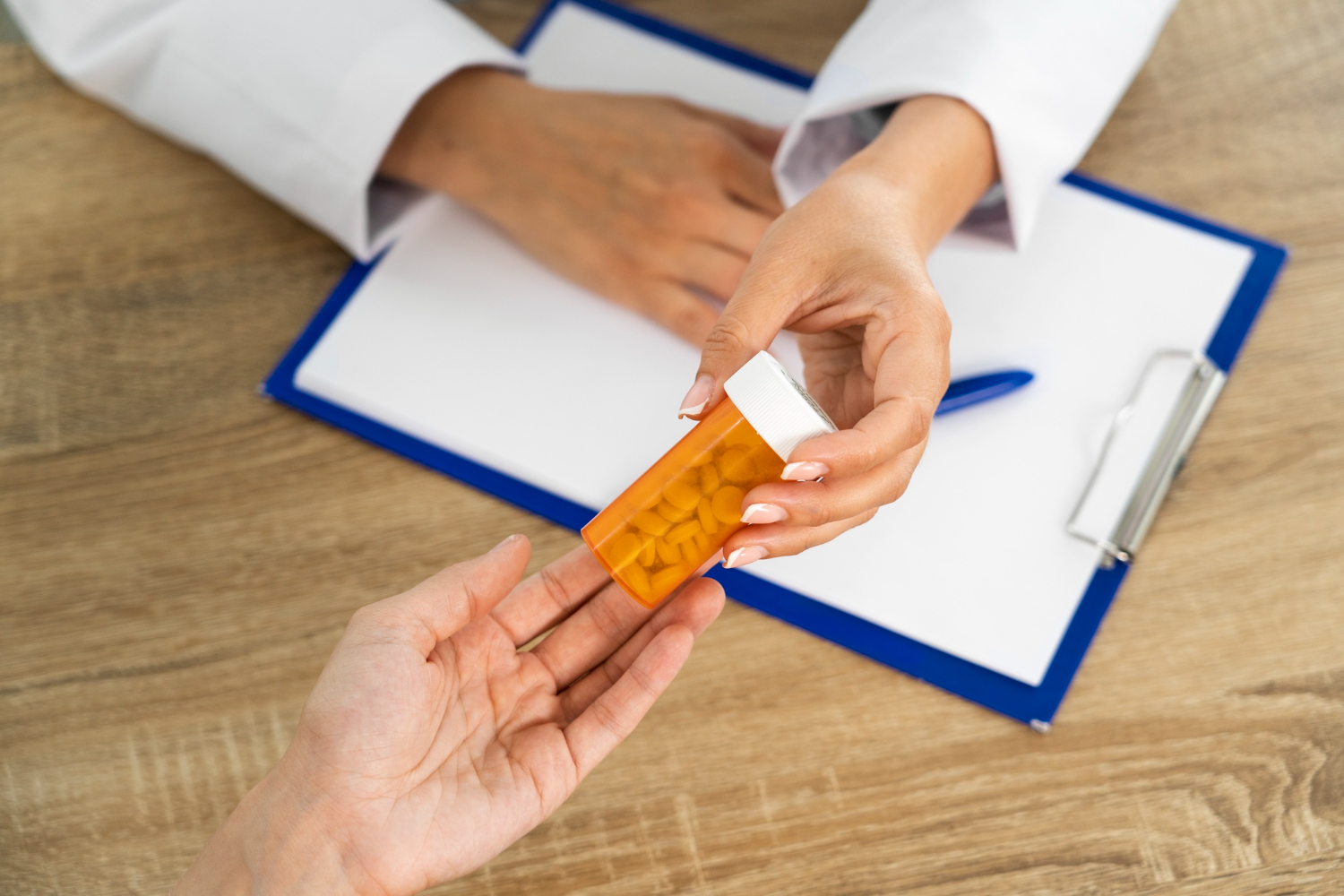
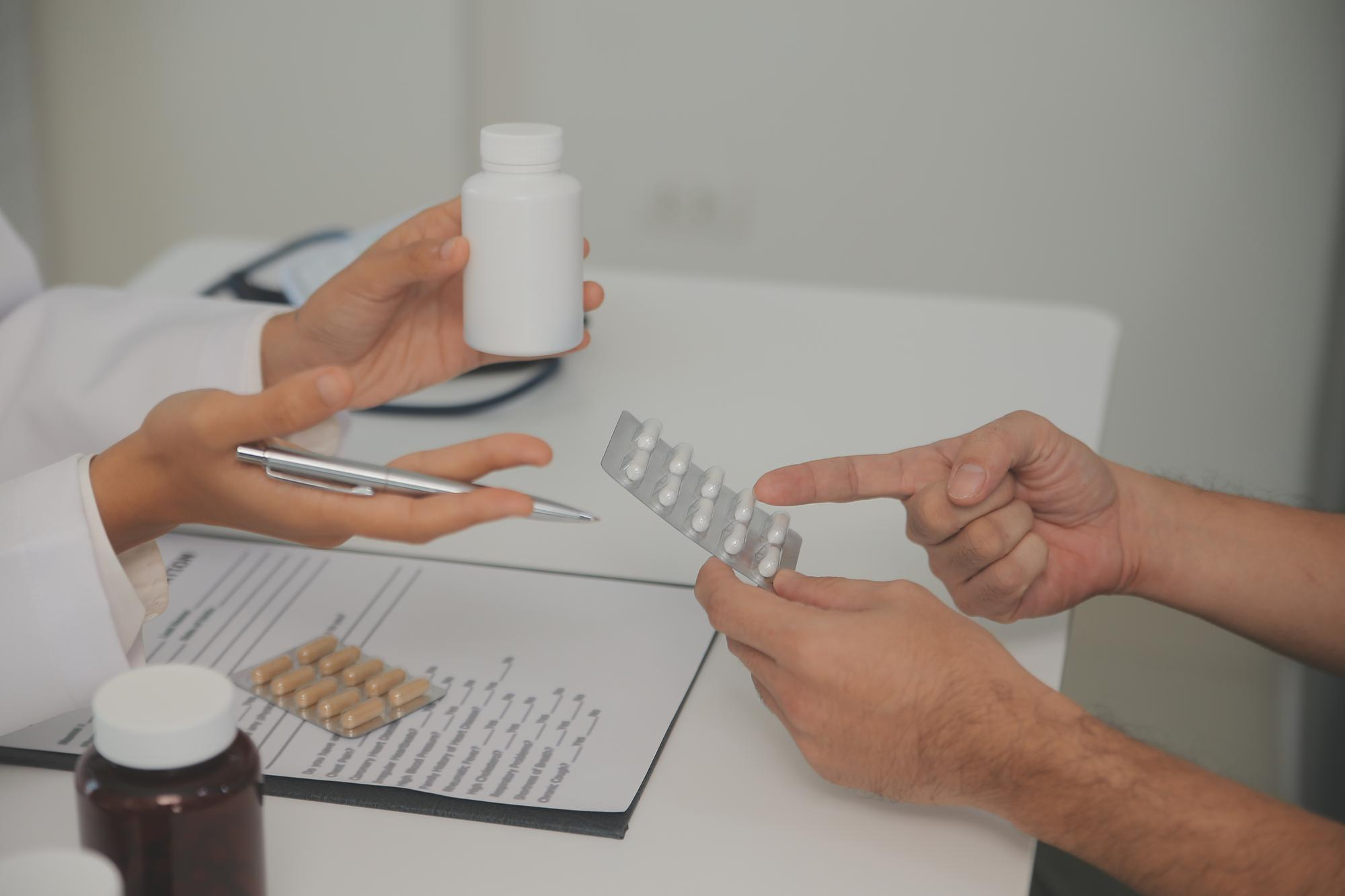
Dealing with alcohol withdrawal is, honestly, a rough ride. Your body kind of freaks out when alcohol suddenly stops, and that’s where medications come in to help smooth things out. Doctors usually start with benzodiazepines like diazepam or lorazepam. They calm the nerves and help prevent seizures, which, you know, is a big deal for anyone going through withdrawal.
Other medications also play their part. Anticonvulsants, like gabapentin, can help if your nervous system gets overly sensitive. Then there’s naltrexone, which is handy for reducing cravings. Acamprosate helps the brain readjust after long-term drinking, and disulfiram makes drinking actually unpleasant if you try it. Using these medications at a local alcohol detox center in NYC ensures someone is keeping an eye on your progress.
It’s not like popping a pill fixes everything instantly. Some days are harder, some easier, and that’s normal. The key is combining the right medications with supervision and support so you can get through the rough patches safely.
Benzodiazepines
Benzodiazepines are probably the most well-known medications for alcohol withdrawal. They work by calming the central nervous system, which is basically freaking out after alcohol leaves your body. Diazepam, lorazepam, and chlordiazepoxide are common choices, and doctors pick the right one depending on your situation.
You do need careful monitoring, though, because these drugs can be addictive themselves. The dose may change based on your liver function, history with substances, or other medications. But when used properly, they seriously reduce the risk of severe symptoms, like those terrifying tremors or delirium tremens.
Anticonvulsants
Anticonvulsants are another tool for withdrawal, especially if you’re at risk of seizures. Gabapentin, carbamazepine, or valproate helps calm the brain’s hyperactivity that happens during withdrawal.
These meds also help with anxiety and mood swings, which are super common during detox. The effect is not instant, and sometimes doses need adjusting, but they can make a real difference. They’re especially useful if you’ve had seizures before or if your doctor thinks you might be prone to them.
Naltrexone
Naltrexone is a bit different because it targets cravings. It blocks certain opioid receptors in the brain, which makes drinking less rewarding. Basically, alcohol doesn’t feel as good, so the urge to drink decreases over time.
People who struggle with strong cravings usually benefit the most. It’s most effective when combined with counseling or therapy because it doesn’t teach coping skills on its own. Still, it’s a key part of many treatment plans.
Acamprosate
Acamprosate helps your brain chemistry settle back to normal after long-term drinking. It mainly reduces cravings and makes abstaining a bit easier. People starting recovery often notice it helps them get through the first tough months without relapse.
It’s gentle in terms of side effects and can be combined with other medications or therapies. While it’s not a magic fix, it’s a steady support that keeps cravings manageable. Checking with your doctor is necessary to see if it fits your treatment plan.
Disulfiram
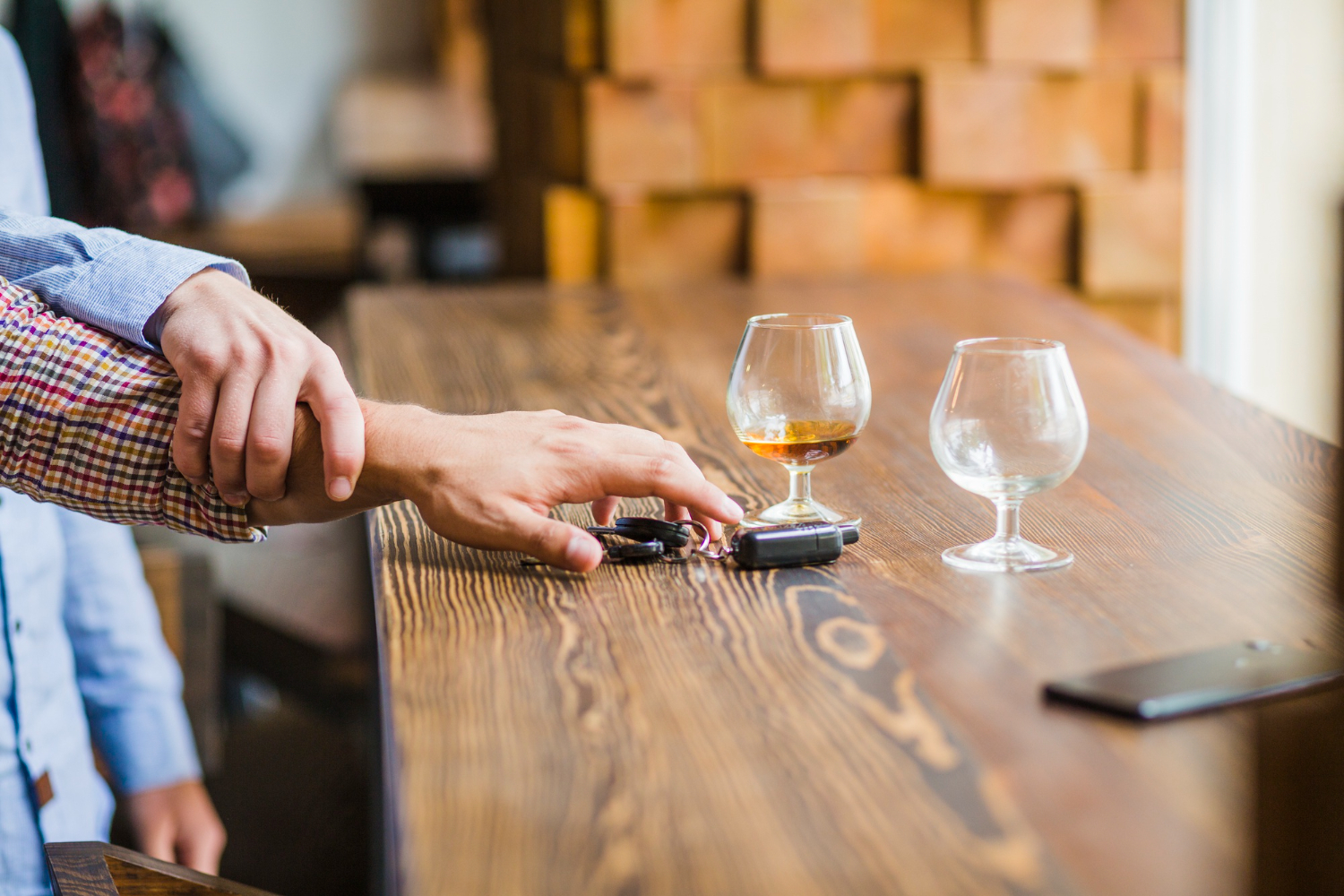
Disulfiram works by making drinking unpleasant. If you drink alcohol while on it, your body reacts with flushing, nausea, headache, and palpitations. It’s like an automatic reminder that drinking isn’t an option.
It requires discipline and support because you have to avoid alcohol completely for it to work. Doctors usually pair it with therapy and monitoring, making sure patients stay safe and get the most out of treatment.
Gabapentin
Gabapentin is a little different from the others. It helps with cravings, anxiety, and even sleep problems that come up during withdrawal.
It has a low risk of misuse compared to some meds, which makes it easier for doctors to recommend. While it’s not a standalone solution, it can make the detox process a lot more manageable. Combined with counseling or support, gabapentin gives you a bit of extra stability during a tricky time.
Related Topics:




















%20(1).jpg)
.jpg)
.jpg)



.jpg)
.jpg)


.png)
.png)


















.png)
.png)
.png)
.png)
.png)
.png)
.png)
.png)
.png)
.png)