You know, getting help at an alcohol detox center can feel scary at first, but it’s actually a huge step toward taking control. It’s not just about stopping drinking; it’s about having a safe place, people who actually understand what you’re going through, and guidance every step of the way. A trusted alcohol detox center can make a world of difference, especially when withdrawal hits, and your body starts acting up in ways you weren’t expecting. Honestly, having someone there to check on you, adjust treatments, or even listen makes the whole thing feel a bit more manageable.
There’s also the mental side of things. You’re not just detoxing your body; you’re trying to untangle all the emotions that led to drinking in the first place. It’s messy. But that’s okay. With support, you can slowly start putting yourself back together, bit by bit, and that’s the whole point of being in a detox center.
Importance of Medical Supervision
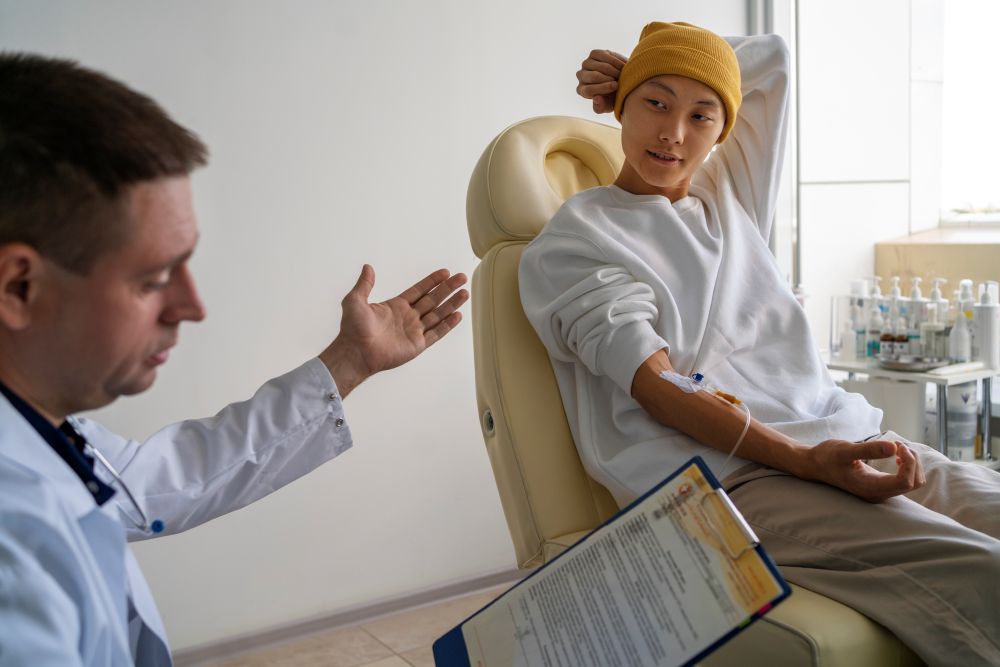
Medical supervision is something you don’t want to skip, seriously. Withdrawal can be unpredictable, sometimes mild, sometimes intense. Having doctors and nurses on hand, watching for complications, adjusting medications, and even just checking in every few hours is, well, it’s a lifesaver.
And it’s not just the physical stuff. Professionals can guide you when your emotions start spiraling or when anxiety spikes. They can catch warning signs that we might miss on our own. So, yeah, medical supervision isn’t optional; it’s kind of the backbone of a safe detox.
Safe Withdrawal Management
Withdrawal is rough, no sugarcoating it. Your body freaks out, sleep gets messed up, your stomach hates you, and your mood swings all over the place. That’s why having structured support is crucial. In a detox center, people are there to help manage symptoms safely, medications, monitoring, advice on what to eat or drink, and all that.
Even little things matter. Someone checking your vitals, making sure you don’t overexert yourself, or just offering reassurance when you feel anxious, it all adds up. The goal is to make that withdrawal phase tolerable, not terrifying. And trust me, that makes a huge difference in how ready you feel for the next steps in recovery.
Access to Professional Counseling
Detox isn’t just about the body; it’s your mind too, right? Counseling in a detox center helps tackle the why behind the drinking. Why do you reach for alcohol in the first place? What triggers you? Talking with a counselor can give you strategies to deal with those triggers before they cause a relapse.
The sessions aren’t just lectures or advice; they’re conversations. You get to vent, to explore what’s been holding you back, and to reflect on your patterns. It’s messy, personal, and sometimes awkward, but it’s also necessary. That’s what makes it effective.
Emotional Support and Encouragement
Sometimes what helps most isn’t medicine or schedules; it’s just knowing someone’s rooting for you. Staff, peers, and counselors provide encouragement, even when it feels like you’re barely keeping it together. Having people who understand what you’re going through makes those hard moments feel less lonely.
And hey, support isn’t one-size-fits-all. Some people thrive in group settings, some in one-on-one chats. Either way, knowing someone has your back can give you the strength to stick with it, even when it feels impossible.
Structured Treatment Environment
Having a predictable routine might sound boring, but in detox, it’s a lifesaver. Meals at the same time, therapy at the same time, check-ins at the same time, your day becomes something you can rely on when everything else feels chaotic.
That structure also keeps you accountable. You know what’s expected and what to focus on, and it limits distractions that could trigger old habits. It might feel rigid at first, but soon you notice that the routine actually helps your mind calm down. It’s like your life gets a little bit of order back.
Transition to Long-Term Recovery
Even after detox, it doesn’t just end there. Transitioning to long-term recovery takes time and effort. You’re going to face challenges, triggers, and moments where you question if it’s worth it. That’s normal.
Support remains key therapy, including groups and even casual check-ins with friends who understand your path. You’ll learn coping skills, build new habits, and celebrate small wins. It’s not a perfect process, but each step forward counts. The detox center helps you start on that path, but it’s your own strength and persistence that keep you moving.
Related Topics:






















%20(1).jpg)
.jpg)

.jpg)



.jpg)
.jpg)


.png)
.png)






















.png)
.png)
.png)
.png)
.png)
.png)
.png)
.png)
.png)
.png)