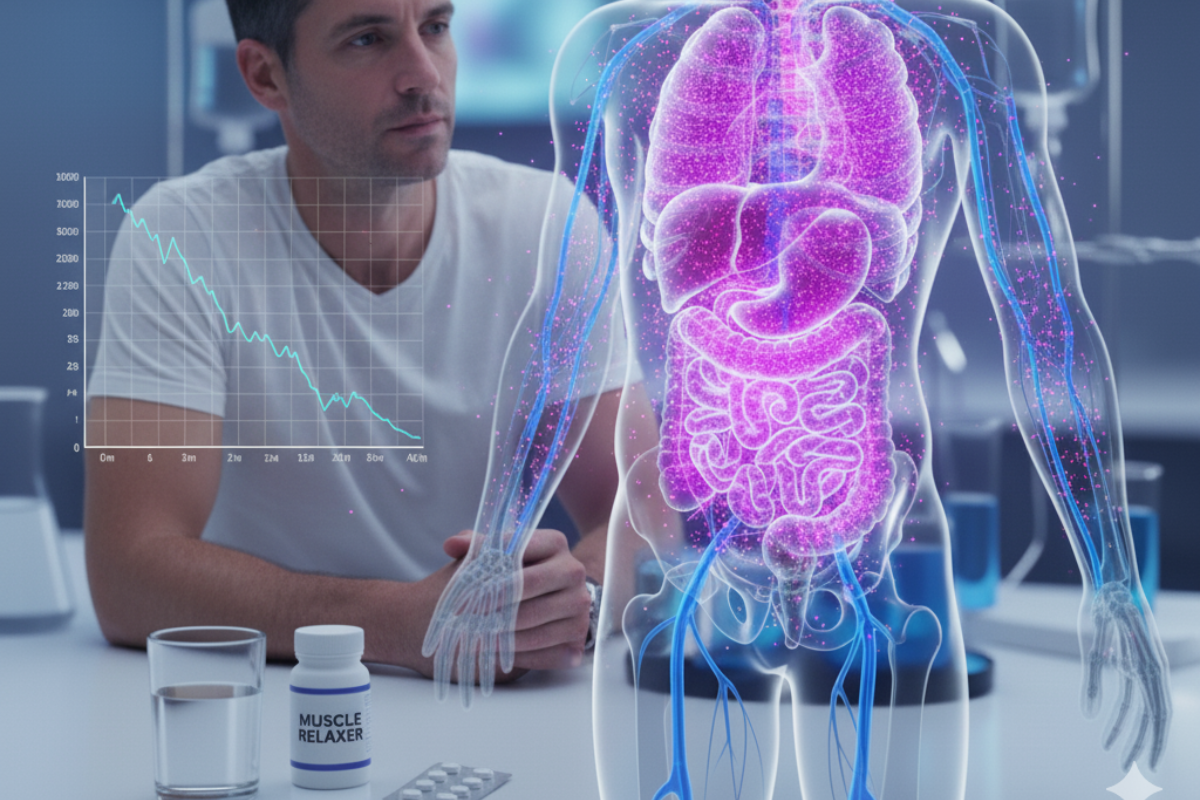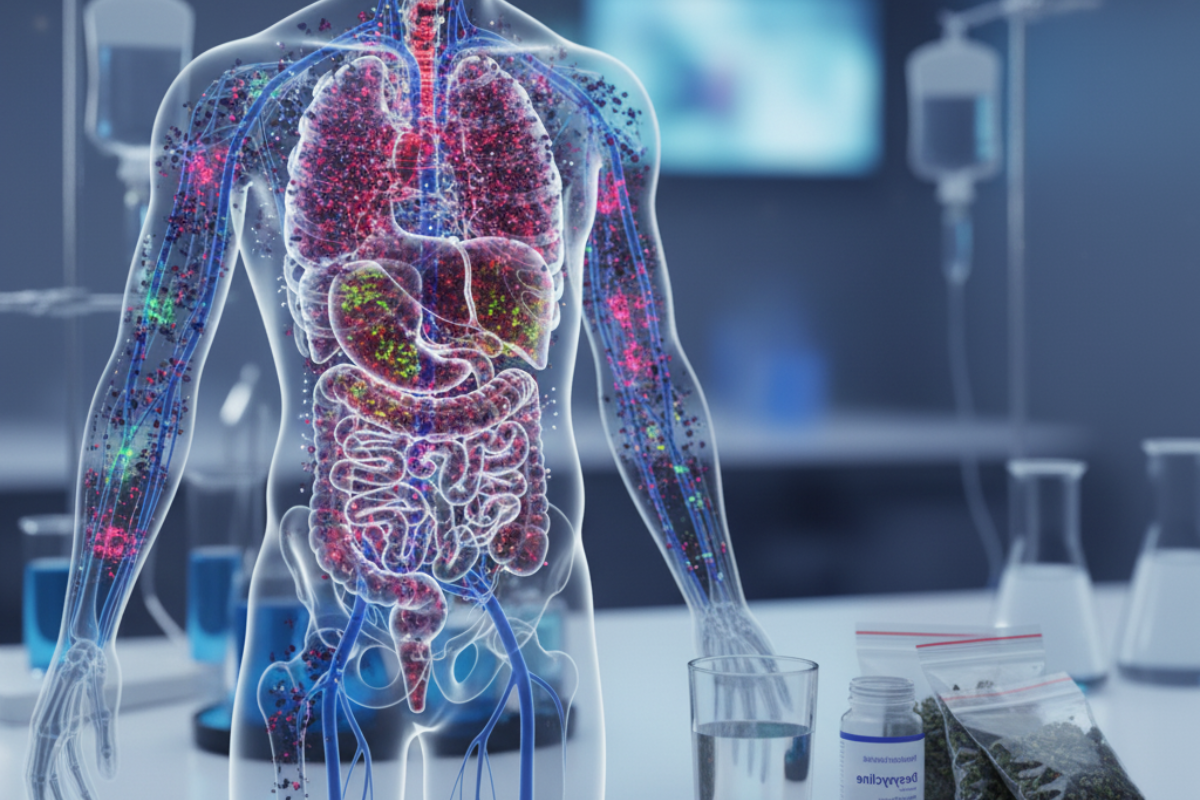
When it comes to alcohol detox, medical supervision is really the safest way to go. Doctors and nurses watch over you, check for withdrawal symptoms, and give medications if they think it’s necessary. It’s not just about pills either. They also mix in therapy, like cognitive behavioral stuff, and sometimes nutrition plans to help your body cope with the withdrawal.
Honestly, the way detox works can be a bit different for everyone. Some people need more hands-on care, some less. What matters is finding what fits your body and your situation. A place like NYC's leading alcohol detox center can help figure that out and guide you through it. It makes the whole thing a bit less scary and way more manageable.
The path to recovery isn’t a straight line. You might have good days and tough days, and that’s normal. Detox is really just the start of getting your body stable and safe so you can start thinking about staying sober for the long term. So yeah, choosing the right methods and getting proper supervision is the first big step.
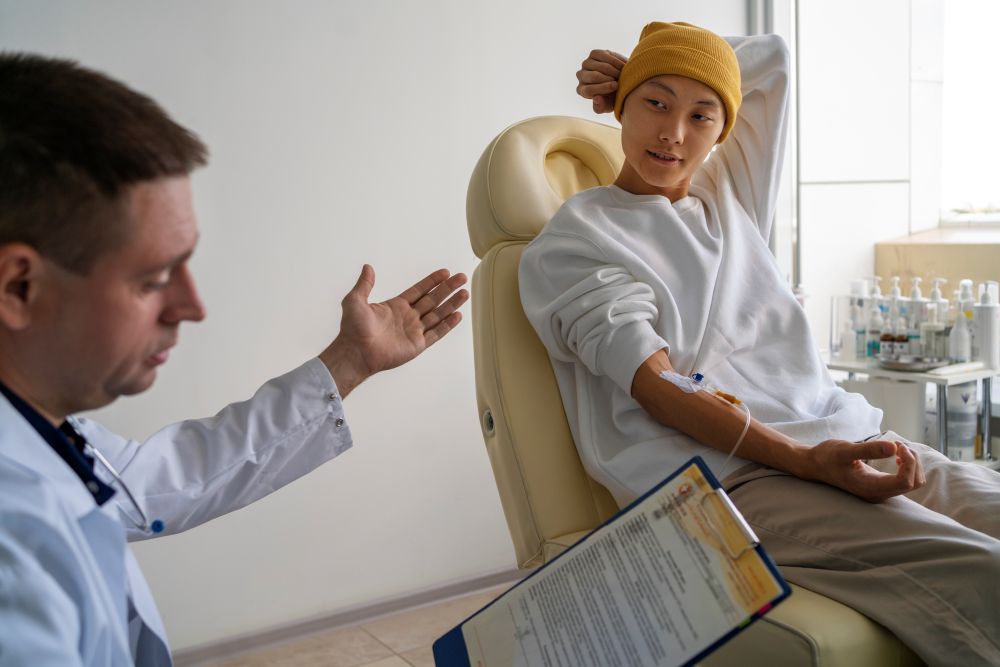
Medical Supervision During Detox
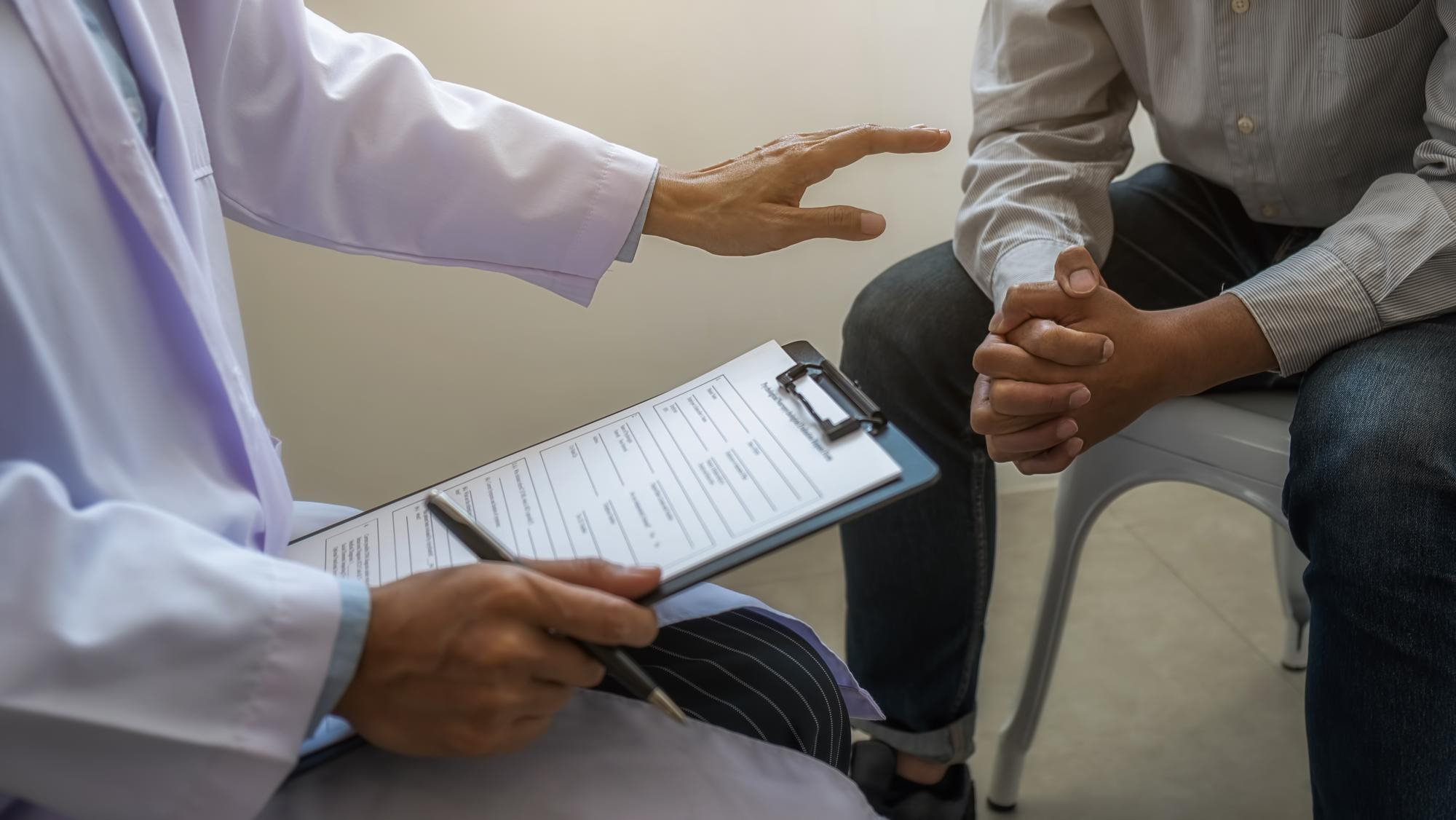
Getting professional medical oversight during alcohol detox isn't just recommended - it's the safest route you can take. Healthcare professionals track your vital signs, watch for complications, and adjust treatment plans based on how your body responds to withdrawal.
Severe alcohol withdrawal can include dangerous symptoms like seizures or delirium tremens. Medical teams know how to spot these early warning signs and intervene quickly. They'll also create personalized treatment plans that consider your drinking history, current health status, and any other medications you might be taking.
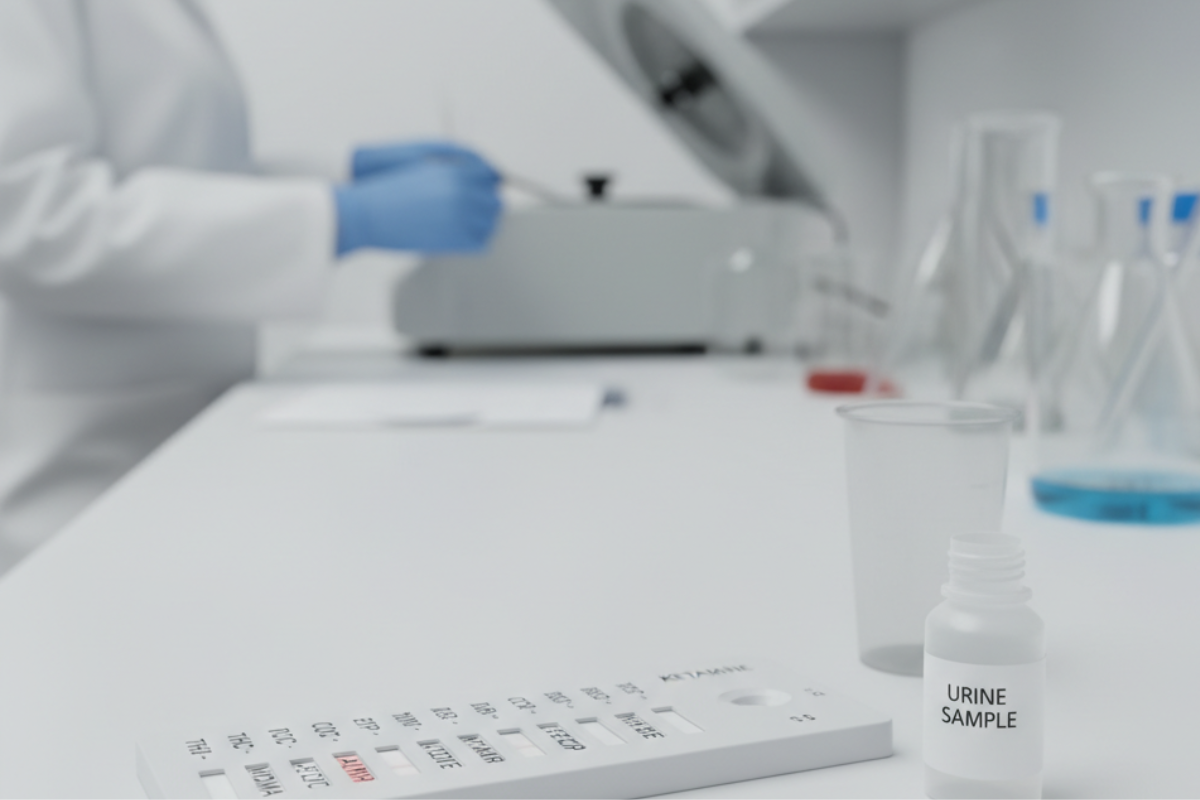
The monitoring process includes regular check-ins, blood work when necessary, and immediate access to emergency interventions if complications arise. This level of care significantly reduces the risks associated with going through detox alone.
Medication-Assisted Treatment Options
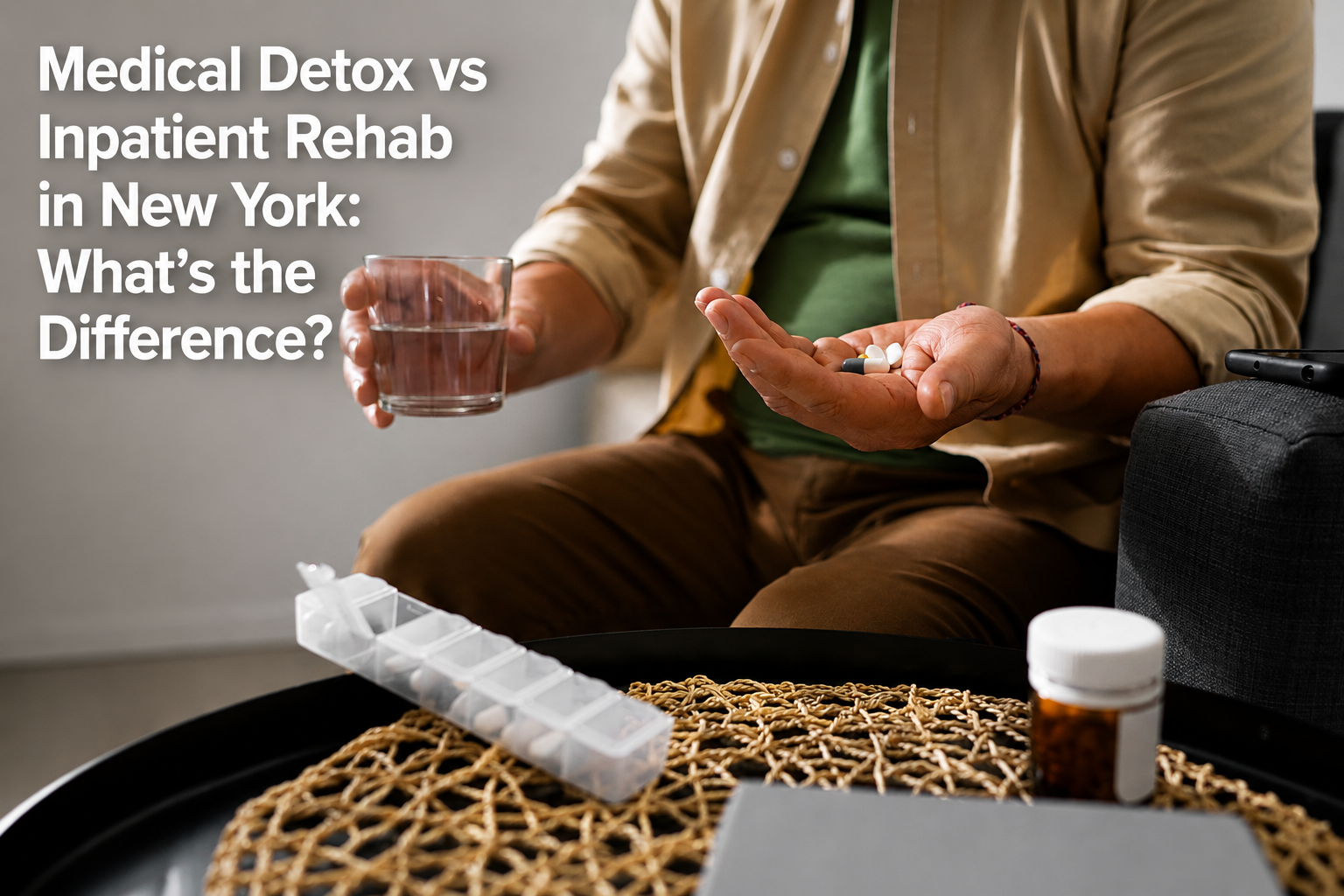
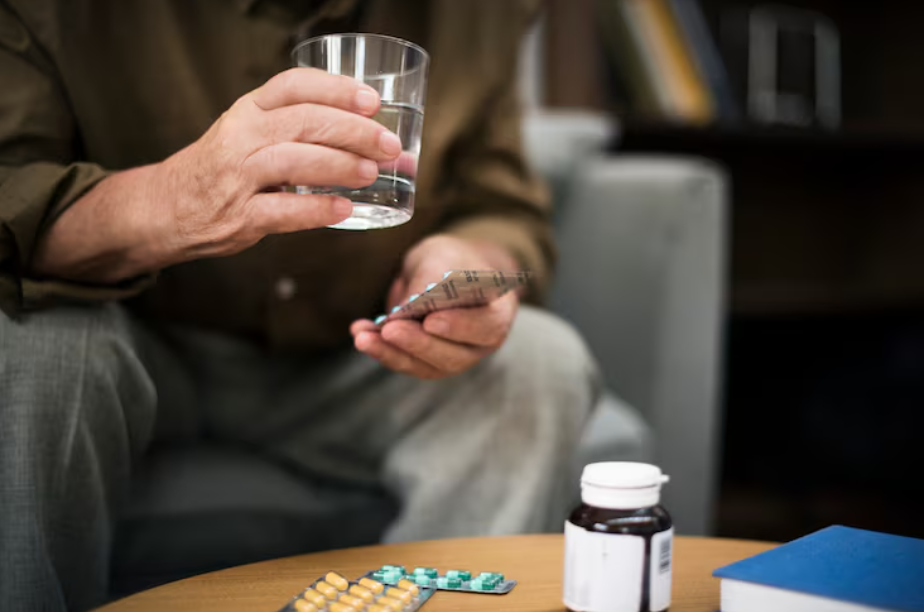
FDA-approved medications can make the withdrawal process much more manageable. Doctors might prescribe benzodiazepines to prevent seizures and reduce anxiety or anticonvulsants to stabilize brain activity during the detox period.
Some medications target specific neurotransmitters that get disrupted by chronic alcohol use. Others focus on reducing cravings or making alcohol consumption less appealing. The key here is that these medications need proper medical supervision to be both safe and effective.
Treatment plans often combine multiple medications depending on your symptoms. A doctor might use one medication for immediate withdrawal symptoms and another for longer-term craving management. The timing and dosage get adjusted based on how you're responding to treatment.
Holistic Treatment Approaches
Alternative therapies can complement traditional medical treatment by addressing the mental and emotional aspects of recovery. Acupuncture sessions may help reduce anxiety and improve sleep quality during detox. Yoga classes provide both physical activity and stress relief techniques.
Meditation and mindfulness practices teach coping strategies that extend beyond the detox period. These techniques help people develop healthier responses to stress and triggers that might otherwise lead to relapse.
Many treatment centers now integrate these holistic approaches into their standard programs. The goal is to treat the whole person rather than just manage withdrawal symptoms. Massage therapy, art therapy, and breathing exercises all contribute to a more comfortable detox experience.
Nutritional Support and Recovery
Proper nutrition plays a huge role in helping your body heal from alcohol damage. Chronic drinking depletes vital nutrients like thiamine, folate, and magnesium. Replenishing these through diet and supplements supports both physical recovery and brain function.
Staying hydrated helps your body flush out toxins more efficiently. Dehydration can worsen withdrawal symptoms and slow down the recovery process. Water, electrolyte solutions, and nutrient-rich fluids all contribute to better outcomes.
A balanced diet with adequate protein supports tissue repair and muscle recovery. Healthy fats like those found in fish and nuts help restore brain function. Complex carbohydrates provide steady energy without the blood sugar spikes that can trigger cravings.
Behavioral Therapy Integration
Cognitive behavioral therapy helps identify thought patterns and behaviors that contribute to alcohol use. Therapists work with clients to develop new coping strategies and recognize triggers before they lead to drinking episodes.
Motivational enhancement therapy focuses on building internal motivation for change. Rather than external pressure, this approach helps people discover their own reasons for staying sober. The therapy explores personal values and goals that conflict with continued alcohol use.
These behavioral interventions start during detox and continue long after physical withdrawal symptoms subside. Building these skills early in recovery provides a foundation for long-term sobriety success.
Peer Support Networks
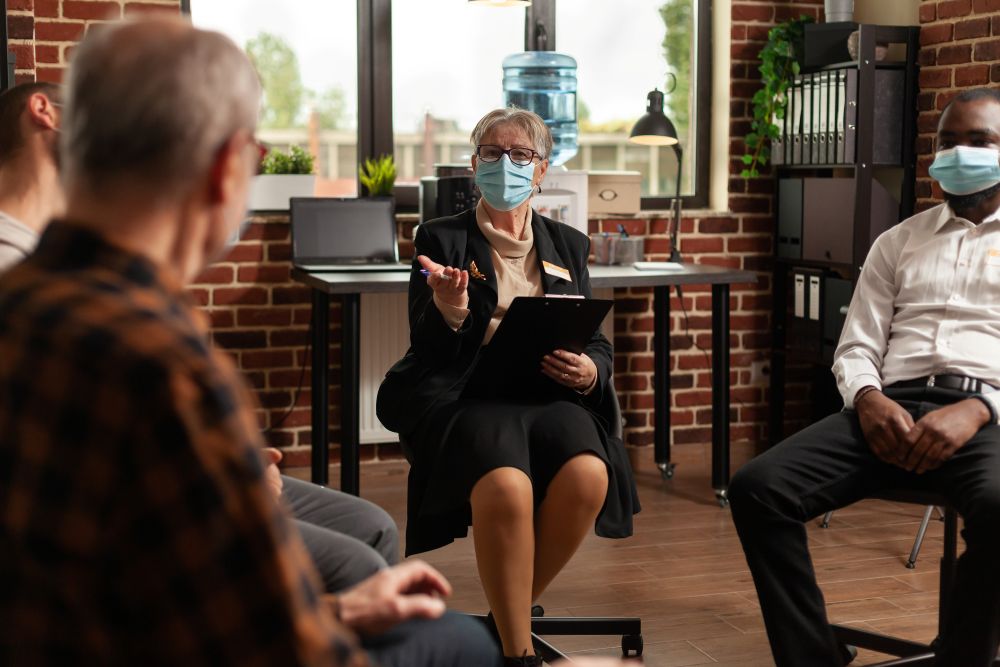
Connecting with others who understand the recovery process provides emotional support that professional treatment alone can't match. Support groups offer practical advice from people who've navigated similar challenges.
Peer support creates accountability without judgment. Group members check in with each other, share coping strategies, and celebrate milestones together. This social connection combats the isolation that many people feel during early recovery.
Different types of support groups work better for different personalities. Some prefer structured programs like Alcoholics Anonymous, while others gravitate toward informal peer networks or online communities. The important thing is finding a group where you feel comfortable sharing and receiving support.
The combination of medical care, therapeutic support, and peer connections creates the strongest foundation for successful alcohol detox and long-term recovery.
Contact Us
At Elev8 Centers, we’re here to guide you or a loved one on the path to recovery. Our team is ready to answer questions, provide information, and help you get started.
Phone:
- Intake Phone: (646) 347-1891
- Facility Phone: (833) 353-8863
Email: info@elev8centers.com
Address: 151 W 136th St, New York, NY 10030
Business Hours: Sunday - Monday, Open 24 hours
Fill out our contact form, and a team member will respond promptly. We accept most insurance plans and are committed to making your treatment process smooth and supportive.
Related Topics:



















%20(1).jpg)
.jpg)
.jpg)



.jpg)
.jpg)


.png)
.png)




















.png)
.png)
.png)
.png)
.png)
.png)
.png)
.png)
.png)
.png)