


Elev8 Centers is a licensed, accredited inpatient rehab facility at 151 W 136th Street in Harlem, New York City. The facility is licensed by OASAS, accredited by NAATP, and LegitScript certified. Over 500 adults have received treatment here. Admissions are open 24 hours a day, every day of the year. To start the process, call (646) 347-1891.
Not knowing what to expect is one of the most common reasons people delay entering inpatient rehab. This guide walks through the process step by step, from the first phone call through discharge, so that what happens next is not a source of uncertainty. Choosing a reliable rehab program ensures structured care, expert support, and a smooth recovery experience.
Step 1: The Admissions Call
The process starts with a phone call to (646) 347-1891. The call is confidential and takes approximately 20-30 minutes. The admissions team will ask about your substance use history, current physical symptoms, mental health history, and insurance coverage. This is a clinical pre-approval assessment that determines which level of care is appropriate and confirms whether your insurance plan is accepted.
Most Medicaid plans are accepted at Elev8, along with some commercial insurance plans. Coverage is verified during the call, so there are no financial surprises at intake. Once pre-approved, transportation to the facility can be arranged.
Step 2: Arriving at the Facility
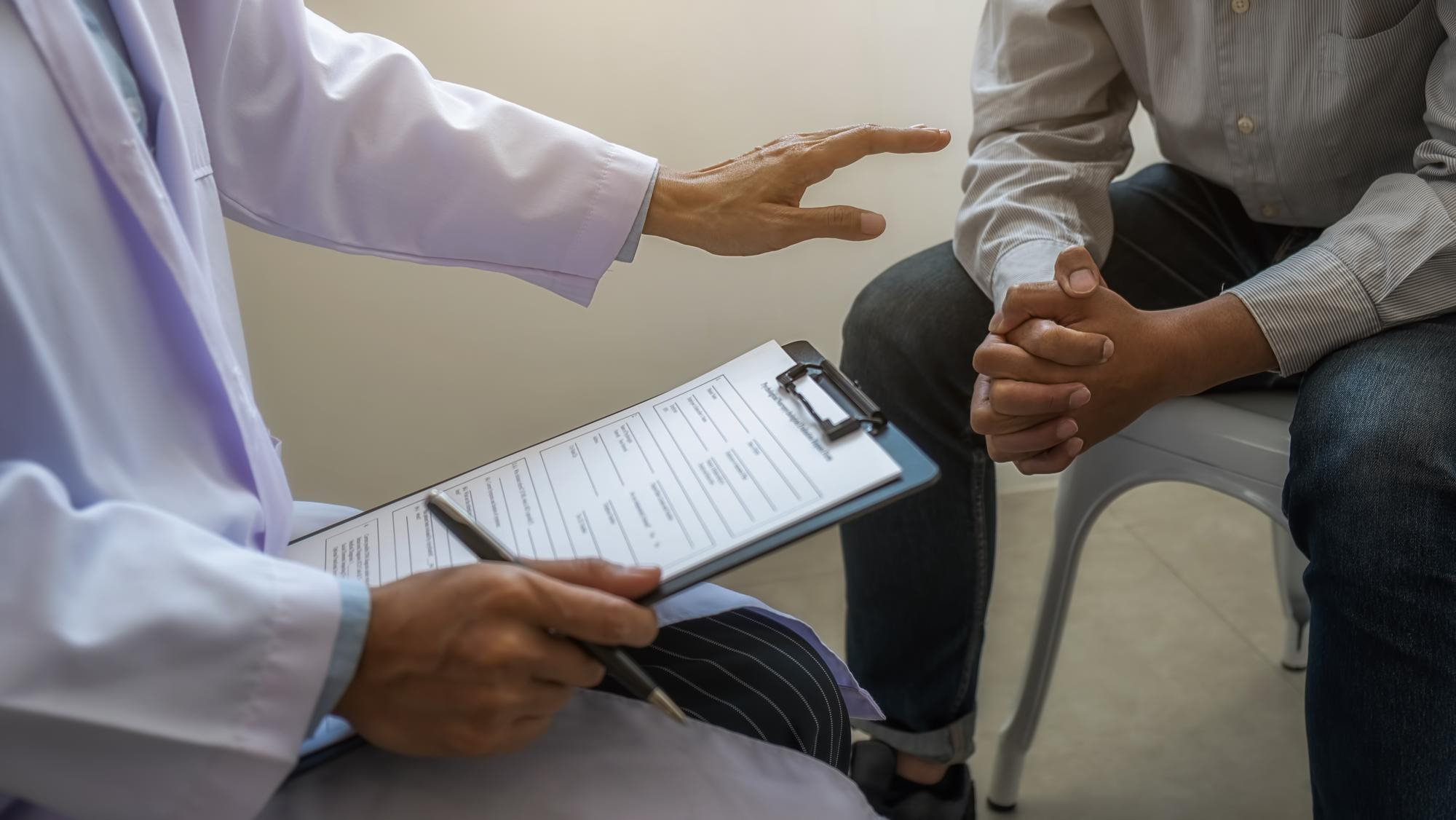
On arrival at 151 W 136th Street, you will complete a full clinical intake assessment covering your medical history, substance use history, and any co-occurring mental health conditions. You will meet members of the clinical team, receive an orientation to the facility, and be assigned to the appropriate level of care. For patients who are physically dependent on a substance, this is most commonly medical detox.
The facility is in Harlem, accessible from across Manhattan and the Bronx. If transportation was arranged during the admissions call, a team member will coordinate getting you there.
Step 3: Medical Detox
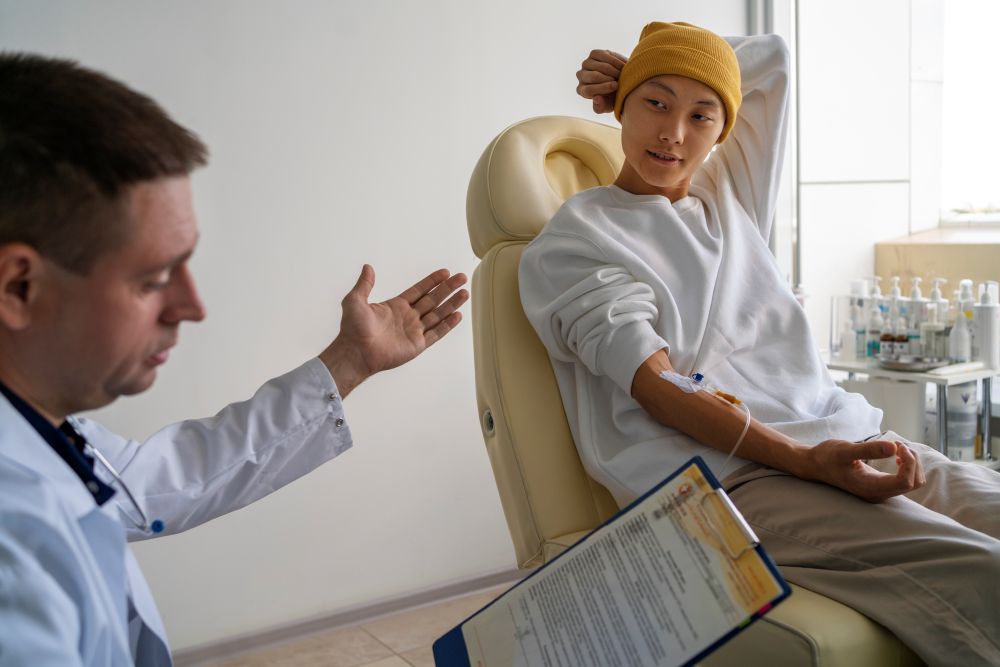
For patients who are physically dependent on alcohol, opioids, or other substances, medical detox is the first phase of treatment. Detox at Elev8 is supervised 24 hours a day by doctors and nurses. Medications are used to manage withdrawal symptoms and prevent dangerous complications. The process typically takes 5-6 days, though alcohol and benzodiazepine withdrawal may take slightly longer depending on the clinical situation.
Detox is not a comfortable process, but it is a medically managed one. Patients are not expected to manage withdrawal alone. Clinical staff monitor vital signs throughout and adjust medications as needed.
Step 4: Inpatient Rehabilitation
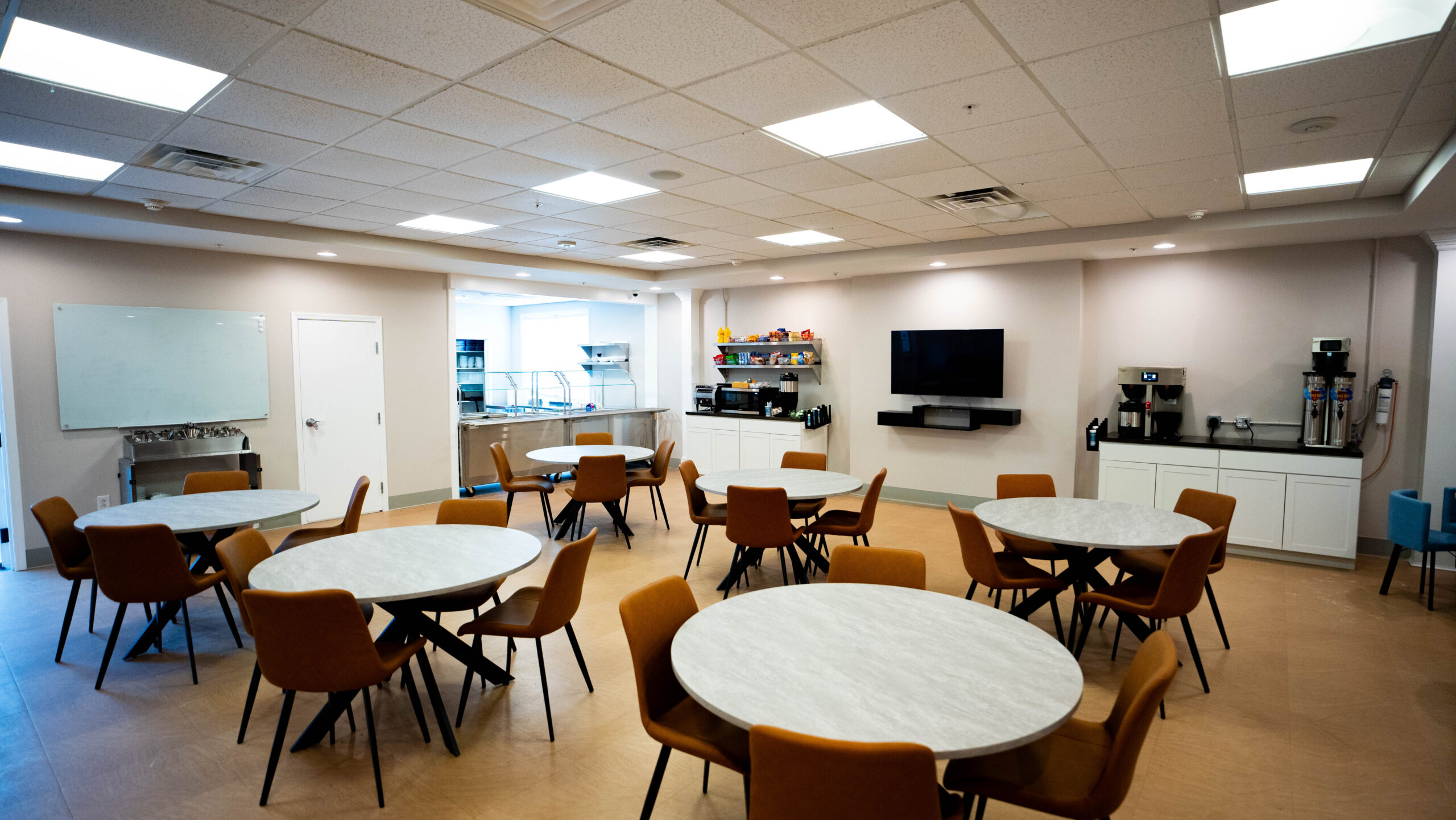
Once medically stable after detox, patients transition directly into inpatient rehabilitation at the same facility, with the same clinical team, without restarting intake. The inpatient program runs up to 28 days.
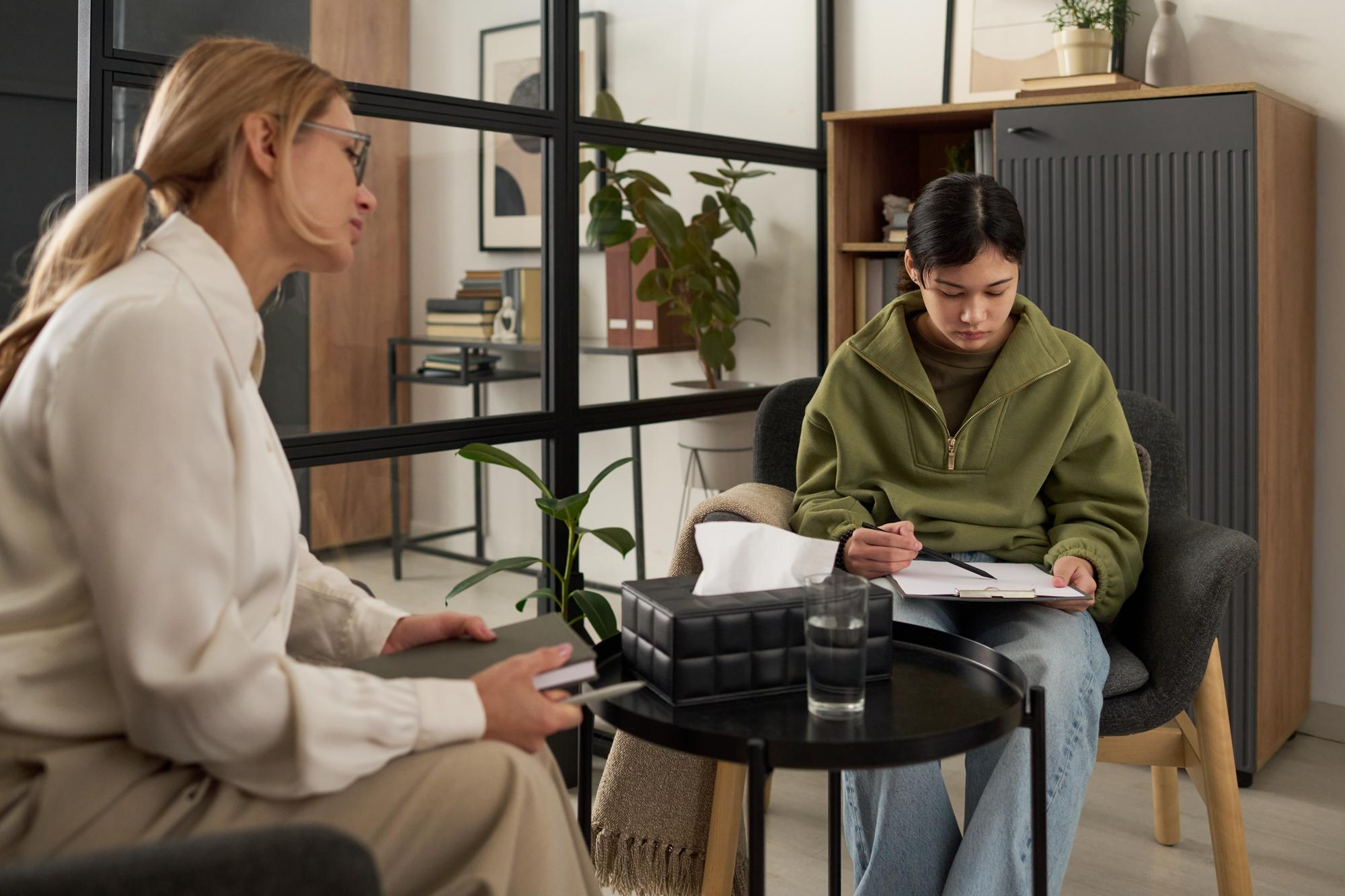
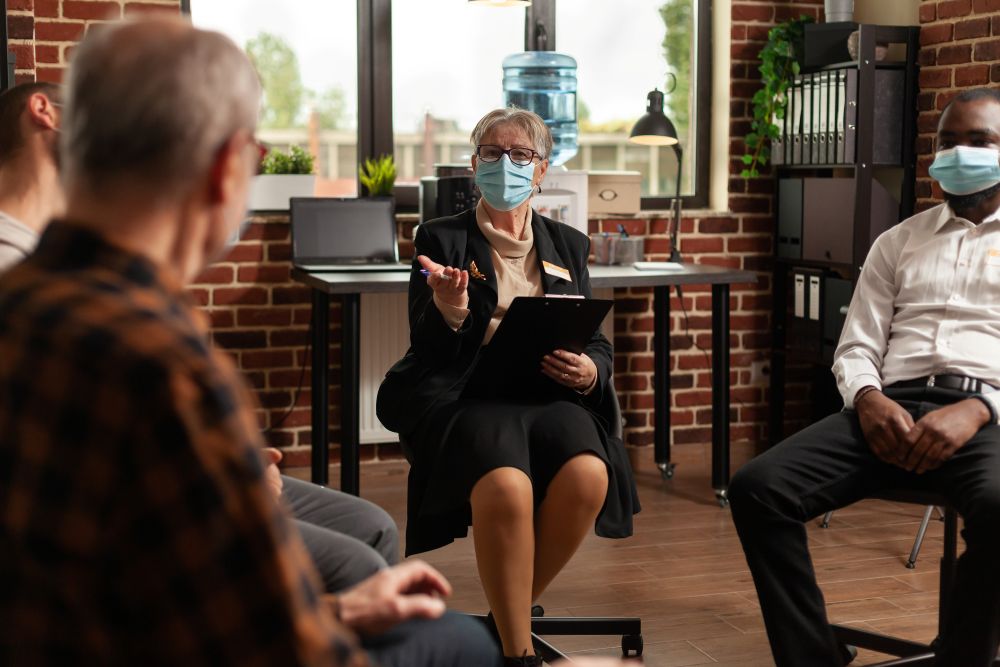
A structured daily schedule includes individual counseling sessions, group therapy, psychiatric appointments where applicable, recreational activities, meals, and rest. The structure is intentional: routine and accountability reduce idle time, which is a recognized risk factor for relapse in early recovery.
What Dual Diagnosis Treatment Looks Like Inside the Program
Many people entering inpatient rehab have a co-occurring mental health condition alongside their substance use disorder, such as depression, anxiety, PTSD, or trauma. According to SAMHSA, roughly half of people with a substance use disorder have at least one co-occurring condition.
At Elev8, dual diagnosis treatment is built into the standard inpatient program, not offered as a separate track. The psychiatric team conducts evaluations, prescribes and manages medications for mental health conditions, and runs mental health counseling alongside addiction treatment throughout the stay. Patients do not need to finish the addiction program before getting psychiatric support.
Medication-Assisted Treatment During Inpatient Care
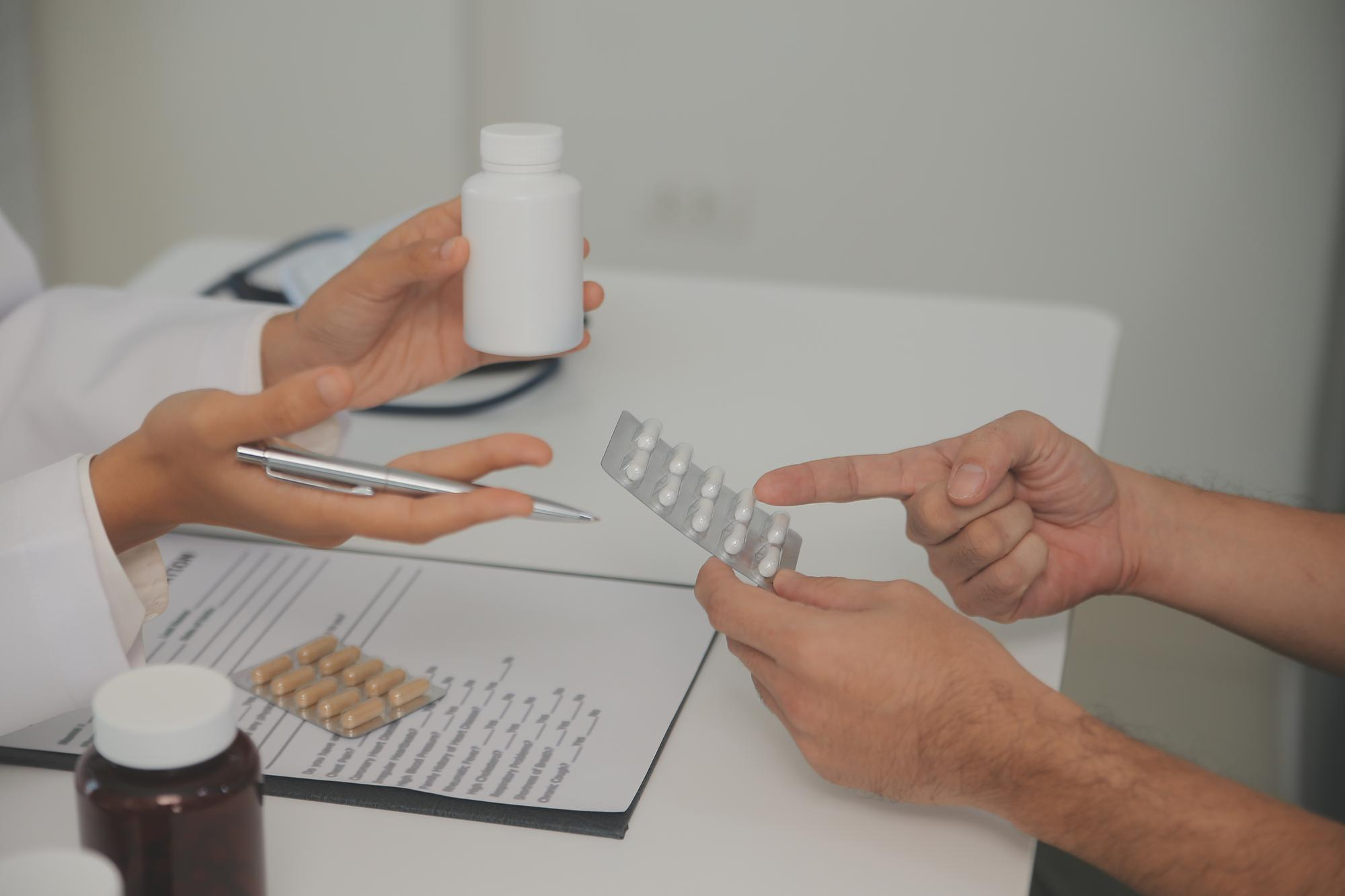
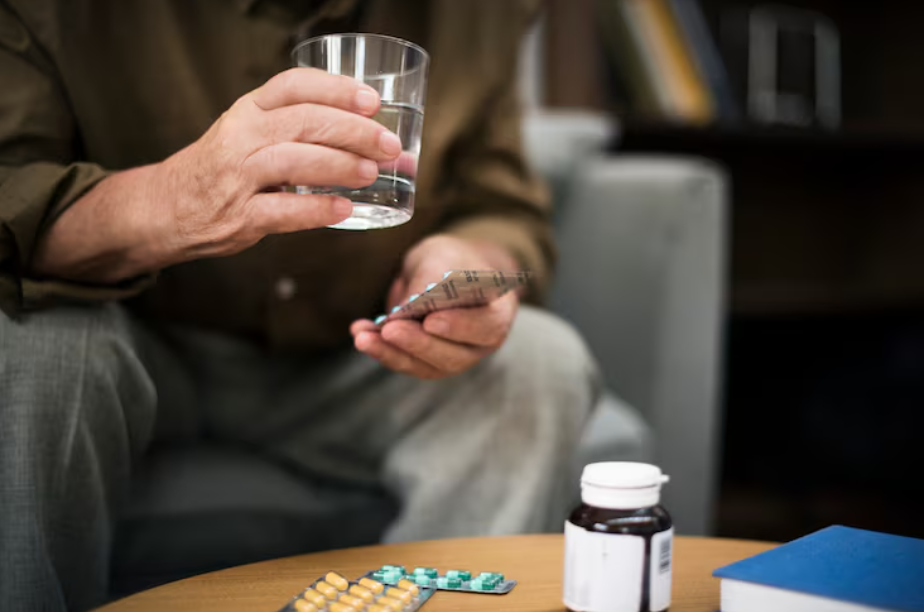
For patients with opioid or alcohol use disorders, medication-assisted treatment (MAT) may be part of the inpatient program. MAT uses FDA-approved medications such as buprenorphine or naltrexone alongside counseling to reduce cravings and withdrawal risk. The prescribing team determines whether MAT is appropriate based on each patient's history and clinical needs.
SAMHSA, NIDA, and the American Society of Addiction Medicine (ASAM) all recognize MAT as a standard of care for opioid and alcohol use disorders. It is not a substitute addiction; it is a clinical tool that improves outcomes.
Step 5: Residential Treatment If Needed
Some patients need more than 28 days of structured residential support before they are ready to step down. Residential treatment at Elev8 extends the structured living and daily therapy of the inpatient program for a longer duration. The clinical team makes this determination based on progress and individual clinical need.
Step 6: Discharge Planning and Step-Down Care
Discharge planning at Elev8 begins before you leave. Continuing care managers work with each patient to build a structured plan for the period after inpatient treatment. The 30 to 90 days following discharge carry the highest relapse risk and require active clinical support.
A discharge plan typically includes a step-down to partial hospitalization (PHP) or outpatient care, continued psychiatric follow-up if dual diagnosis treatment was part of the program, referrals to peer support and community resources, and transitional housing referrals for patients whose home environment is not safe for early recovery.
What Patients Consistently Report
Reviews across third-party directories, including rehabs.org, recovery.com, and startyourrecovery.org, consistently cite staff compassion as a factor patients credit for feeling safe during treatment. Structured group therapy is frequently described as effective. Many describe their time at Elev8 as a turning point in their recovery.
Related Topics:










%20(1).jpg)
.jpg)
.jpg)



.jpg)
.jpg)


.png)
.png)


















.png)
.png)
.png)
.png)
.png)
.png)
.png)
.png)
.png)
.png)












.png)