


At Elev8 Centers, no two treatment plans look the same, and no treatment plan stays the same from admission to discharge. Our inpatient rehab program in Harlem, New York City is built around continuous clinical assessment, which means the care a patient receives evolves as their needs change throughout the program. If you are considering inpatient rehab for yourself or someone you care about, call us at (646) 347-1891. Our admissions team is available 24 hours a day, every day of the year.
We are a licensed and accredited leading inpatient rehab facility in New York City, licensed by OASAS, accredited by NAATP, and LegitScript certified. Over 500 adults have been treated at our facility at 151 W 136th Street in Harlem.
Why Treatment Plans Change During Inpatient Rehab
A treatment plan written on the day of admission is based on initial clinical assessment. That assessment is thorough. It covers substance use history, mental health status, medical history, and prior treatment experience. But recovery is not linear, and what a patient needs on day three of detox is different from what they need on day fourteen of inpatient rehabilitation.
The American Society of Addiction Medicine (ASAM) defines levels of care in addiction treatment based on ongoing clinical need, not a fixed schedule. Our clinical team applies that same principle within the inpatient program, reviewing progress, adjusting therapies, and modifying the treatment plan based on how each patient is responding.
The Clinical Assessment That Starts It All
Every patient who arrives at Elev8 Centers completes a clinical intake assessment on the first day. This covers medical history, substance use history, and any co-occurring mental health conditions. From this, our clinical team builds the initial treatment plan: which medications are appropriate, what level of medical monitoring is needed, which therapy modalities will be used, and whether our dual diagnosis program is indicated.
The plan is structured, but it is not rigid. The intake assessment is the starting point, not the final word.
How Plans Adjust Through the Detox Phase
Medical detox runs approximately 5 to 6 days for most substances. During this period, the clinical team monitors vital signs continuously and adjusts medications based on how withdrawal symptoms are presenting. Alcohol and benzodiazepine withdrawal carry a higher risk profile. Patients detoxing from these substances receive closer monitoring and may have medication protocols updated more frequently.
When a co-occurring psychiatric condition is identified during intake, or becomes apparent during detox, the dual diagnosis component of the treatment plan is activated. Psychiatric evaluation begins, existing medications are reviewed, and new medications may be initiated where clinically indicated. Our psychiatry team is on site. Patients do not need to wait for an outside referral or transfer to a separate facility.
How Plans Adjust During Inpatient Rehabilitation
Once a patient transitions from detox into our inpatient rehabilitation program, the focus of the treatment plan shifts from physical stabilization to behavioral and psychological recovery. This is where the most significant adjustments tend to happen.
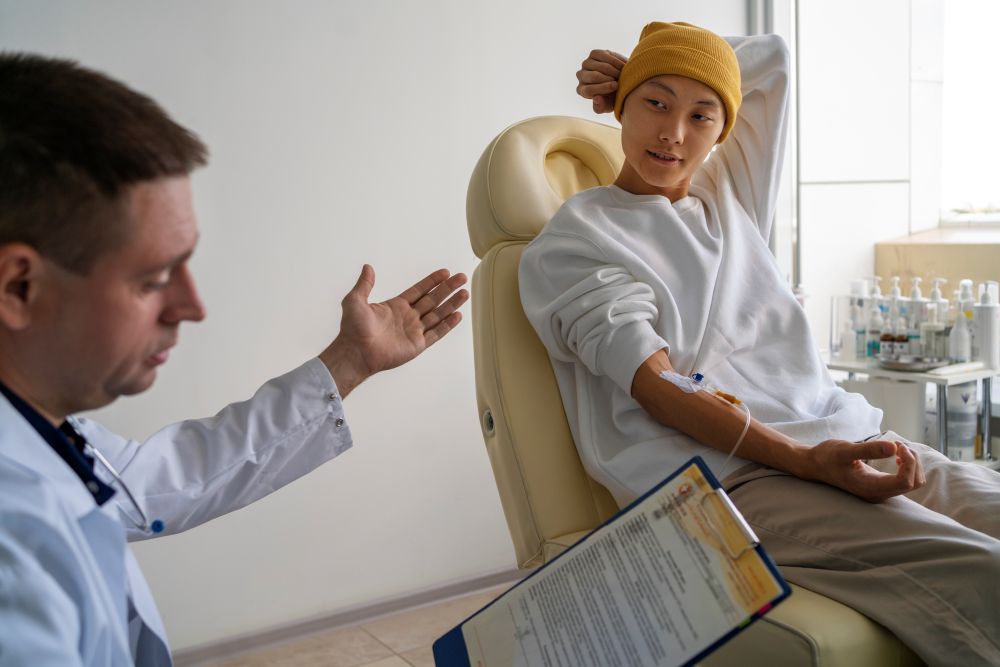
Individual therapy sessions give our clinicians regular, direct insight into how a patient is processing their experience, what barriers to recovery are surfacing, and whether the current therapeutic approach is working. Group therapy provides a different kind of information: how a patient engages with peers, where social or emotional challenges emerge, and whether the group format is productive or needs to be supplemented with additional one-on-one support.
If a patient reports persistent psychiatric symptoms that are not responding to the initial medication plan, the psychiatry team reassesses and adjusts. If anxiety, depression, or PTSD symptoms are intensifying rather than stabilizing, the dual diagnosis component of the plan is updated. Additional sessions, medication adjustments, or trauma-informed therapeutic approaches may be added.
Progress is measured clinically, not by time alone. A patient who is responding well and building a stable foundation may be on track for discharge at the scheduled date. A patient who needs more time is not pushed out. They can transition to our residential treatment program at the same facility, which provides longer-term structured care without restarting intake.
How Discharge Planning Becomes Part of the Treatment Plan
Discharge planning is not something that happens at the end of inpatient rehab. At Elev8 Centers, our case managers and continuing care team begin building the aftercare plan well before discharge.
This part of the treatment plan evolves alongside the clinical picture. If a patient's home environment is not recovery-supportive, the discharge plan shifts to prioritize sober living referrals. If psychiatric care needs to continue after inpatient, the plan includes psychiatric follow-up referrals. If the patient is not yet stable enough for standard outpatient support, the discharge plan routes them through our partial hospitalization program (PHP) first, then to our outpatient program as they progress.
For patients with opioid or alcohol use disorder, medication-assisted treatment (MAT) may continue across levels of care as part of the ongoing treatment plan.
Insurance, Medicaid, and Treatment Planning
Insurance authorization can affect what components of a treatment plan are covered and for how long. Our admissions team manages this process on behalf of patients, verifying coverage before admission and handling authorization throughout the stay so that clinical decisions are not made on the basis of administrative delays.
We accept most Medicaid plans and some commercial insurance. To verify your coverage before admission, call us at (646) 347-1891.
Related Topics:

























.png)
.png)
.png)
.png)
.png)
.png)
.png)
.png)
.png)
.png)



















.png)


.png)
.png)


.jpg)


