


Progress in inpatient rehab is not measured by days on a calendar. At Elev8 Centers, our clinical team tracks specific clinical and behavioral markers throughout the inpatient program to assess where a patient is in their recovery and what the next phase of treatment should look like. These markers guide decisions about medication, therapy, discharge timing, and step-down planning. If you are considering New York's trusted inpatient rehab facility, call us at (646) 347-1891 to speak with our admissions team. We accept admissions 24 hours a day, every day of the year.
We are licensed by OASAS, accredited by NAATP, and LegitScript certified. Over 500 adults have received care at our Harlem facility at 151 W 136th Street in New York City.
Medical Stabilization Through Detox
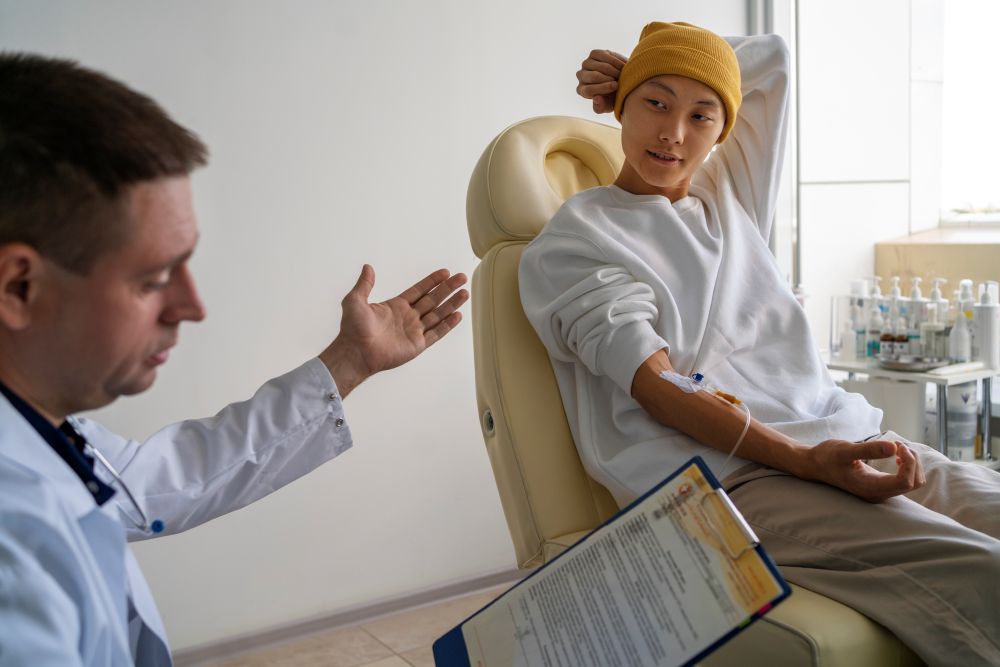
The first measurable milestone in inpatient rehab is completing medical detox. For patients who are physically dependent on alcohol, opioids, or benzodiazepines, this is the medical foundation everything else builds on.
Medical detox at Elev8 Centers runs approximately 5 to 6 days and is supervised around the clock. Stabilization is confirmed when vital signs are in a safe range, withdrawal symptoms have been managed to a clinically acceptable level, and the patient is medically cleared to begin the rehabilitation phase of treatment. This is a clinical determination, not a calendar one.
Patients who have cleared this milestone are physically ready to engage with the behavioral and psychological work of recovery. The clinical team documents this transition and adjusts the treatment plan accordingly.
Engagement With the Inpatient Program
After medical stabilization, the next group of milestones relates to how a patient is engaging with the inpatient program. These are behavioral and clinical observations, not performance scores.
Our clinicians look for a patient's consistent attendance in individual and group therapy sessions, their willingness to discuss the factors driving their substance use, and their beginning to identify patterns in their thinking and behavior that have contributed to addiction. This is not about a patient saying the right things. It is about genuine engagement with the clinical process.
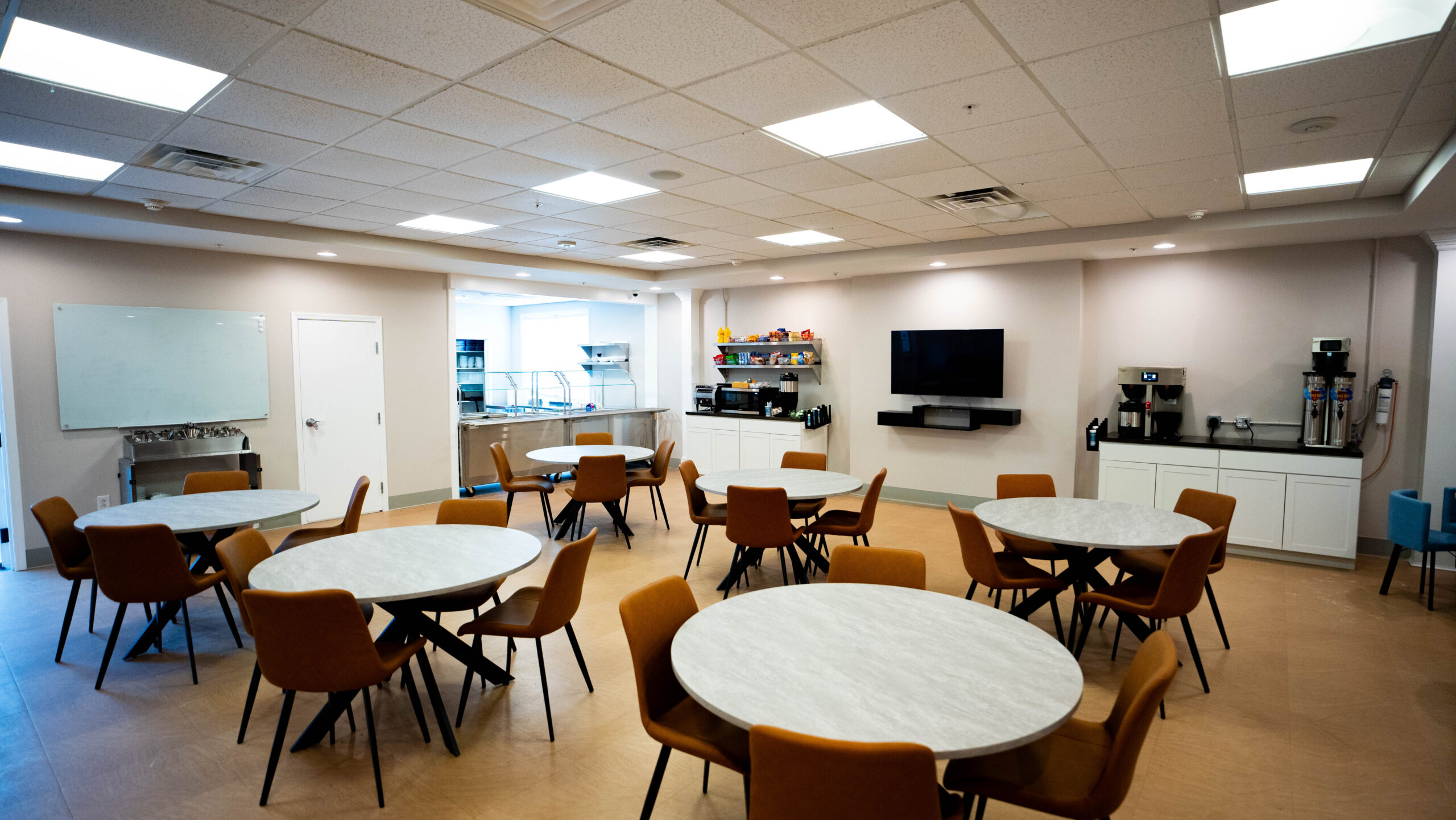
The structured daily program at our facility is designed to build routine and reduce idle time, which NIDA identifies as a significant relapse risk factor. A patient who is moving through that structure with increasing consistency is demonstrating a measurable form of progress.
Psychiatric Stabilization in Dual Diagnosis Cases
For patients in our dual diagnosis program, those being treated for both a substance use disorder and a co-occurring mental health condition such as depression, anxiety, or PTSD, psychiatric stabilization is its own distinct milestone.
According to SAMHSA, roughly half of people with SUD have at least one co-occurring mental health condition. When untreated mental health symptoms are present, they directly affect a patient's ability to engage with addiction treatment. A patient who is experiencing severe depression or active anxiety is not yet in a position to do the full work of behavioral recovery.
Our psychiatry team monitors response to medication, adjusts where needed, and tracks when psychiatric symptoms are stabilizing to a degree that allows full engagement with the therapeutic components of the program. Reaching that point of psychiatric stability is a clinically significant milestone in its own right.
Behavioral and Cognitive Shifts
Later in the inpatient program, our clinical team looks for evidence of meaningful behavioral and cognitive shifts. These are harder to quantify than vital signs but are among the most clinically predictive markers of sustained recovery.
Specific indicators include a patient beginning to take responsibility for their role in the patterns that led to addiction rather than externalizing blame, a reduction in minimizing or denying the severity of their substance use, increased capacity to discuss triggers and cravings without shutting down, and visible change in how the patient engages in group therapy with peers.
These shifts are discussed directly in individual counseling sessions and documented as part of the treatment record.
Aftercare Planning Readiness
One of the clearest late-stage milestones in inpatient rehab is readiness to engage with discharge and aftercare planning. A patient who is willing to participate actively in building their step-down plan, rather than avoiding conversations about what comes next, is demonstrating a level of forward-looking stability that is clinically significant.
Our case managers and continuing care team begin aftercare planning well before discharge. The step-down path from inpatient typically leads to our partial hospitalization program (PHP), then to our outpatient programs for continued support while living at home. For patients with opioid or alcohol use disorder, medication-assisted treatment (MAT) continues across these levels of care where appropriate.
Patients who need longer-term structured care after inpatient can transition into our residential treatment program at the same facility without restarting intake. The step-down decision is made based on clinical progress, not administrative timelines.
What Progress Does Not Look Like
Progress in inpatient rehab is not always linear. Difficult days, emotionally intense therapy sessions, and moments of doubt are part of the process, not signs that treatment is failing. Our clinical team is trained to distinguish between a patient who is working through a hard phase of recovery and one who may need a clinical adjustment.
Relapse rates for substance use disorders are comparable to those of other chronic conditions like diabetes and hypertension. If a patient has been in treatment before and is back, that is not a failure. It is clinical information that helps us build a more targeted treatment plan this time.
Insurance and Admissions
We accept most Medicaid plans and some commercial insurance. Our admissions team verifies coverage before your first visit. To speak with our team about inpatient rehab at Elev8 Centers, call (646) 347-1891.
Related Topics:
























.png)
.png)
.png)
.png)
.png)
.png)
.png)
.png)
.png)
.png)


















.png)


.png)
.png)


.jpg)


