


Trying to get someone you love into treatment can feel overwhelming. You may not know what to say, who to call, or whether inpatient rehab is even the right level of care. Professional rehab guidance can help you understand the steps and move quickly when your loved one is ready.
The process is usually more straightforward than families expect. It starts with understanding the type of care needed, having the conversation, and contacting an admissions team that can walk you through what comes next.
Understand What Level of Care Is Actually Needed
Not every person needs the same kind of addiction treatment. The right starting point depends on the substance being used, withdrawal risk, mental health needs, and how much structure the person needs to stay safe.
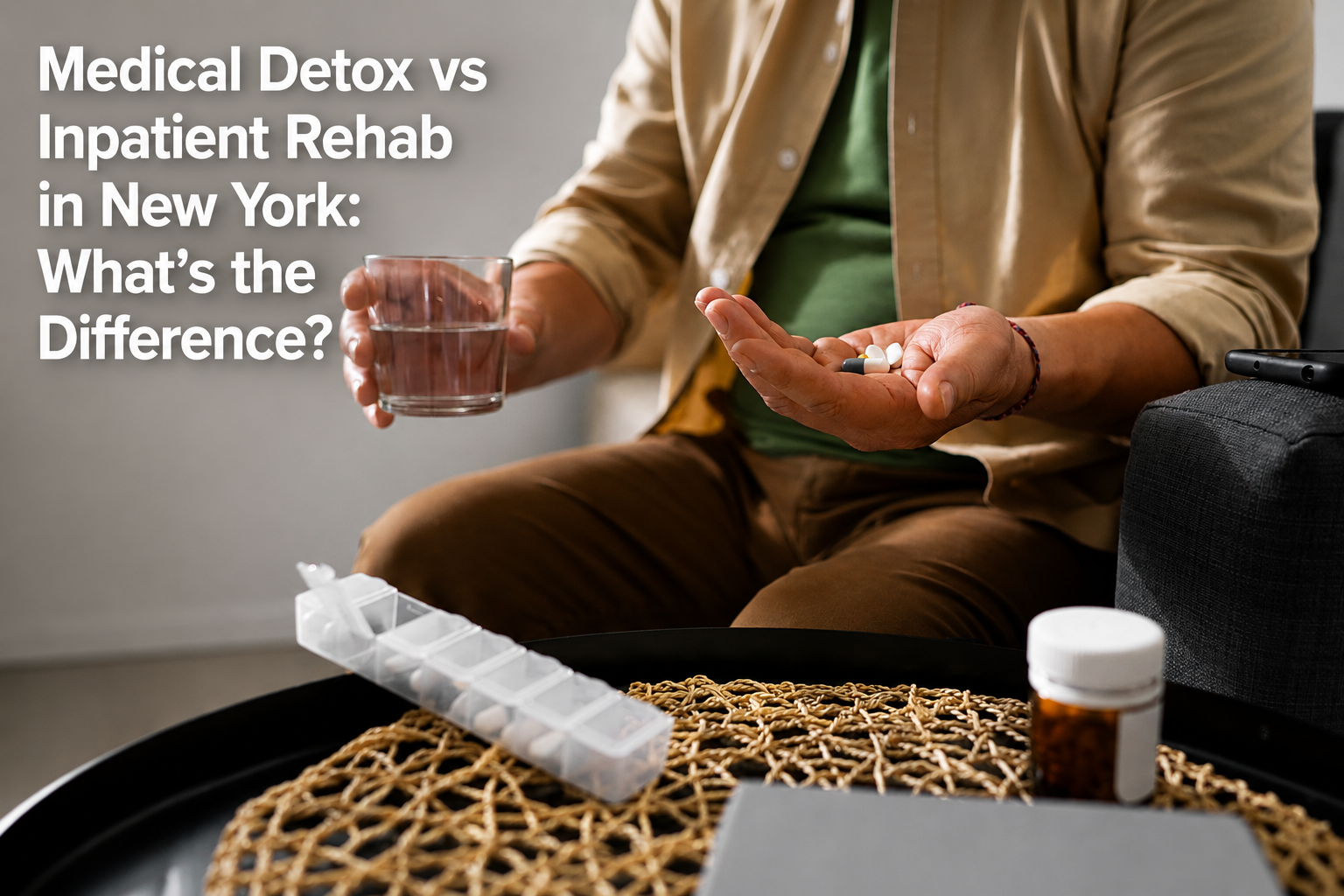
Medically supervised detox is often needed when someone is physically dependent on alcohol, opioids, or benzodiazepines. Withdrawal from these substances can carry medical risks, so stopping without supervision may not be safe.
Inpatient rehab provides structured residential treatment. Patients live at the facility and take part in therapy, groups, psychiatric support, relapse prevention, and daily recovery programming.
Some people may need longer residential treatment beyond a standard inpatient stay. Others may benefit from medication-assisted treatment, which can include medications such as buprenorphine or naltrexone along with therapy.
Dual diagnosis treatment is also important when addiction happens alongside depression, anxiety, PTSD, or another mental health condition. Treating both at the same time gives recovery a stronger foundation.
Have the Conversation Before You Make Calls
There is no perfect way to talk to someone about going to rehab. Still, calm and direct usually works better than blame. Speak from what you have seen and how it has affected you.
You might say that you are scared, worried, or that you have noticed changes you cannot ignore. Be specific without attacking. Avoid threats unless you are truly prepared to follow through.
If your loved one is willing to talk, be ready. Have the admissions number nearby so you can act while they are open to help. That window can close quickly.
If they are not ready, the conversation is not wasted. Many people need to hear the concern more than once before they accept help.
What to Look for in a Facility
When choosing an inpatient rehab in New York, licensing and accreditation matter. A facility should be licensed by New York’s Office of Addiction Services and Supports. Independent accreditation can also show that the program meets outside standards.
Staffing is another key factor. A strong program should include medical providers, nurses, counselors, mental health professionals, and addiction specialists. More clinical support can mean more individualized care.
Elev8 Centers has more than 125 health professionals on staff, including medical doctors, registered nurses, pharmacists, licensed mental health counselors, and certified alcohol and substance abuse counselors.
It also helps when a facility offers a full continuum of care in one location. Elev8 Centers provides detox, inpatient rehab, residential treatment, and discharge planning at its Harlem, Manhattan facility.
Insurance is practical, too. Elev8 Centers accepts most major insurance plans, including Medicaid and military insurance, and verifies coverage before admission.
Making the First Call
Calling admissions does not commit anyone to treatment. It is simply the first step to understand options. The admissions team will ask about the person’s substance use, health history, insurance, current condition, and how urgent the situation is.
At Elev8 Centers, admissions staff are available 24 hours a day, every day of the year. The call is confidential, and families can call on behalf of a loved one.
If you are unsure what to say, explain what is happening as clearly as you can. The admissions team can help determine whether detox, inpatient rehab, or another level of care is the right starting point.
What to Expect When Your Loved One Arrives
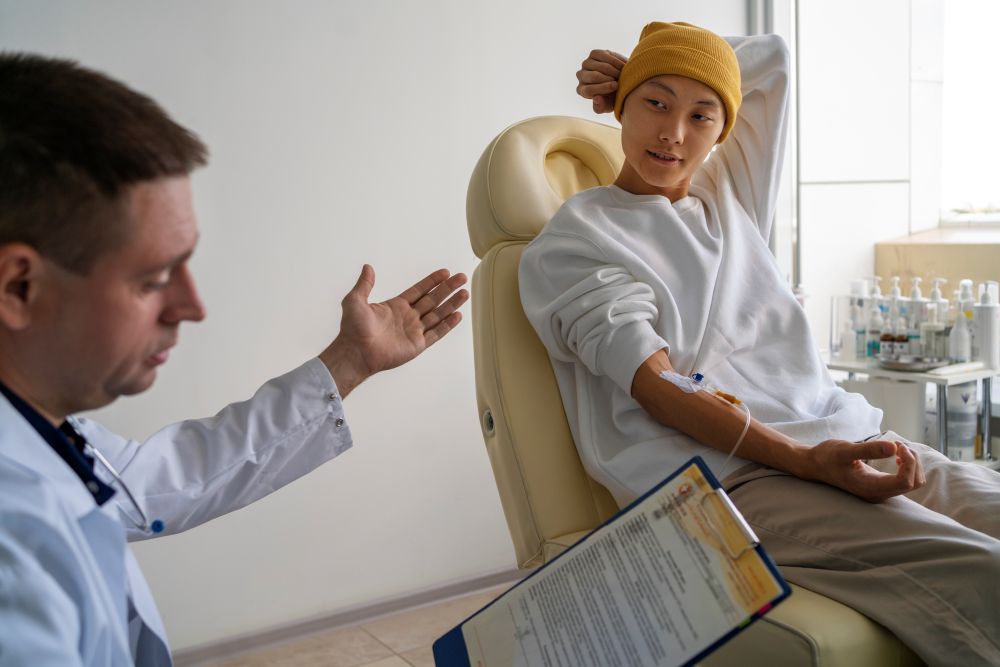
On admission day, the clinical team completes a full intake assessment. This covers substance use, medical history, medications, mental health concerns, withdrawal risk, and other needs.
If detox is needed, it begins that day. If the person does not need detox, they can begin orientation and connect with the treatment team. The care plan is based on the assessment and adjusted as treatment continues.
For families, this is the point where the treatment team takes over the clinical care. That handoff can be emotional, but it is also the goal of getting someone into a safe setting.
Staying Connected During Treatment
Family contact depends on the stage of treatment and the patient’s clinical needs. During detox, visitation may be limited so the patient can stabilize. As treatment progresses, family involvement may increase.
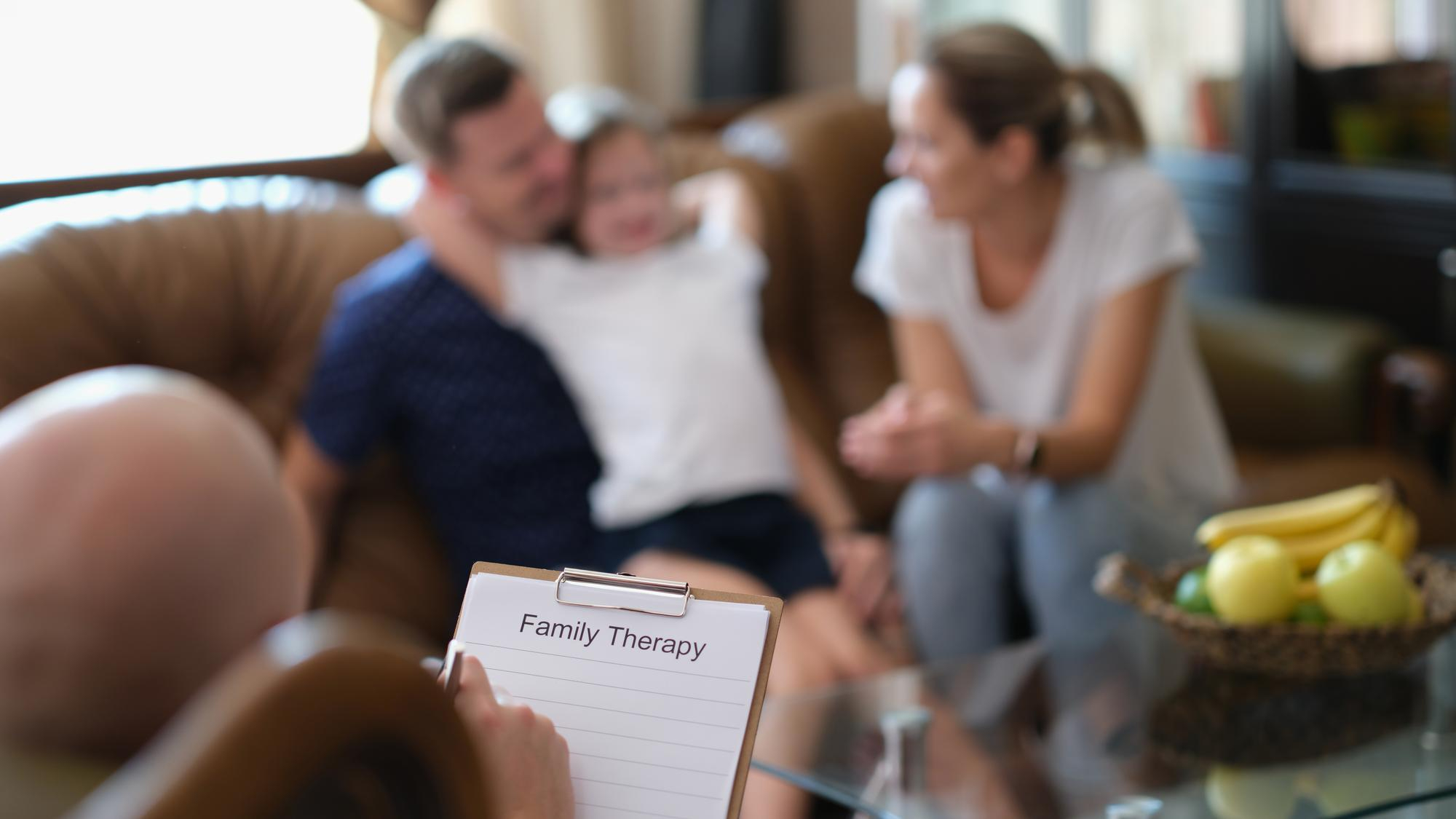
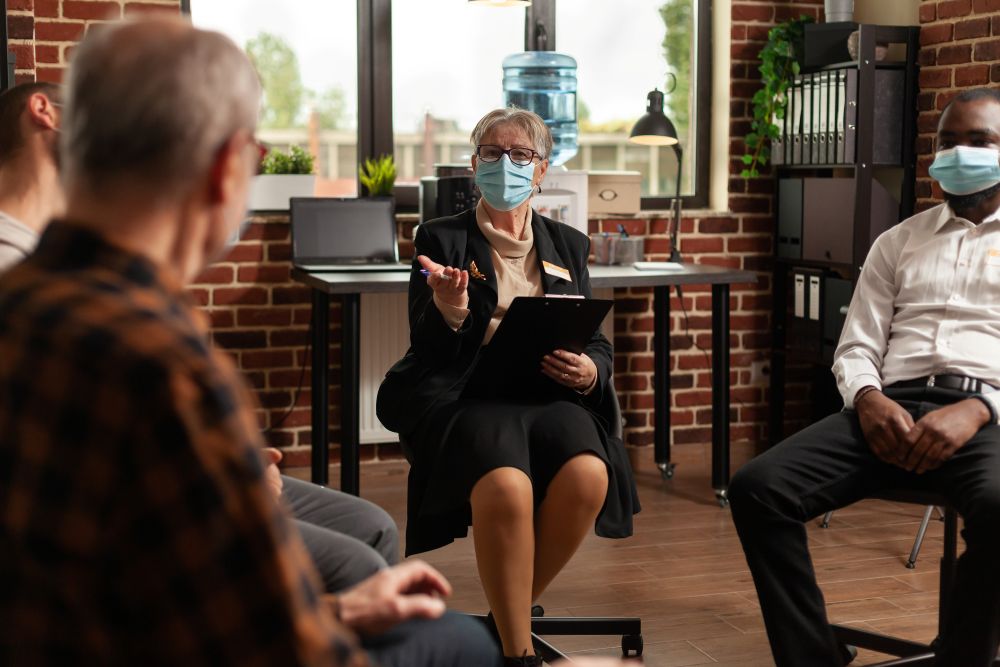
Some programs offer family therapy or family education. These services can help loved ones understand addiction, communication patterns, boundaries, and how to support recovery without enabling harmful behavior.
The admissions team can explain current visitation and family involvement options when you call.
If Your Loved One Is Not Ready Yet
Not everyone agrees to treatment the first time it comes up. If your loved one says no, keep the door open. Continue expressing concern without arguing, shaming, or covering up the consequences of their substance use.
Keep the admissions number saved. Moments of willingness can happen after a health scare, arrest, overdose, family conflict, or another major event.
When that moment comes, being ready matters. The faster you can connect them with admissions, the more likely you are to turn that opening into actual treatment.
Related Topics:













%20(1).jpg)
.jpg)
.jpg)


.jpg)
.jpg)


.png)
.png)






















.png)
.png)
.png)
.png)
.png)
.png)
.png)
.png)
.png)
.png)
















.png)