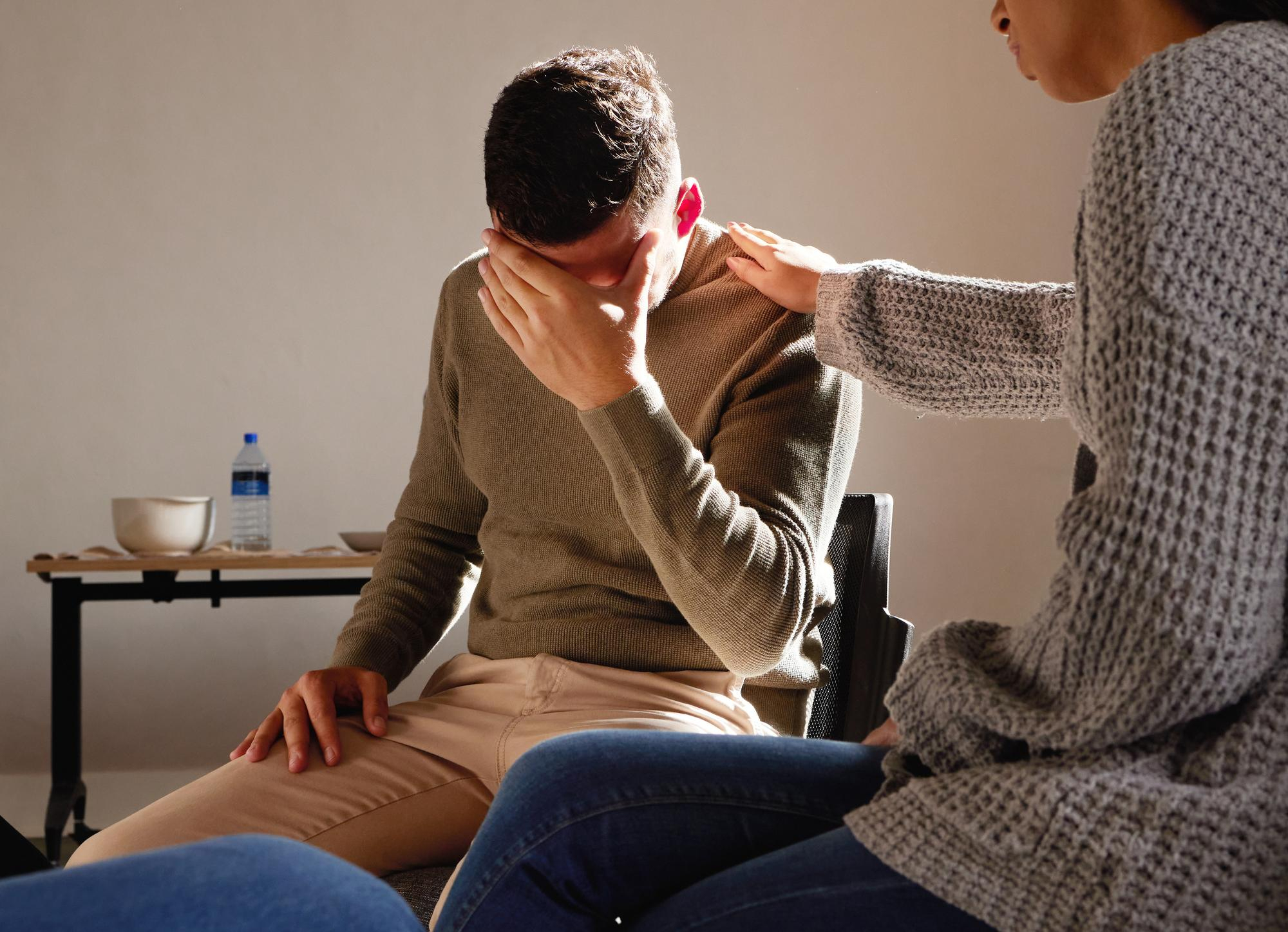
Outpatient treatment works well for a lot of people, and for many, it is exactly the right amount of structure. But sometimes a patient does everything asked of them, shows up to sessions, tries the coping tools, and still keeps relapsing. That is a hard thing to sit with. For the patient and, honestly, for the people around them too.
When that keeps happening, the problem usually is not effort. It is that the level of care no longer matches what the person actually needs. Kind of like trying to treat something with the right medicine but the wrong dose. It just does not land the way it should.
As a trusted rehab center in New York, Elev8 Centers talks with families and patients often about how to tell the difference between a rough patch in outpatient care and a real signal that it is time to step up to inpatient care. You know, those two things can look similar on the surface, but they are not the same, and treating them the same way is where things tend to go sideways.
Repeated Relapse Despite Consistent Effort
One relapse does not automatically mean outpatient has failed. Recovery is rarely a straight line, and a single setback can sometimes be worked through with adjustments to the existing plan, such as moving from standard counseling into an intensive outpatient program in NYC with more sessions each week.
A pattern of repeated relapse is different. When someone keeps returning to substance use despite attending sessions regularly and genuinely trying to apply what they are learning, that pattern usually points to a level of structure that is not intensive enough to interrupt the cycle.
Outpatient care depends on a person having enough stability outside of sessions to stay on track between appointments, and repeated relapse is often a sign that stability is not there yet.
An Unsafe or Triggering Home Environment
Outpatient treatment assumes that a patient goes home each day to an environment that supports their recovery rather than working against it. When that is not the case, outpatient care can only do so much. The following are key reasons why the home environment can hinder recovery:
- Substances are present in the home
- Relationships in the home are volatile
- Daily stress is constant
- The patient returns nightly to the exact conditions that fueled their substance use in the first place
- Weekly counseling alone cannot fully offset these triggers
Removing someone temporarily from that environment through inpatient care can be what gives recovery the room it needs to take hold.
Escalating Physical or Psychiatric Symptoms
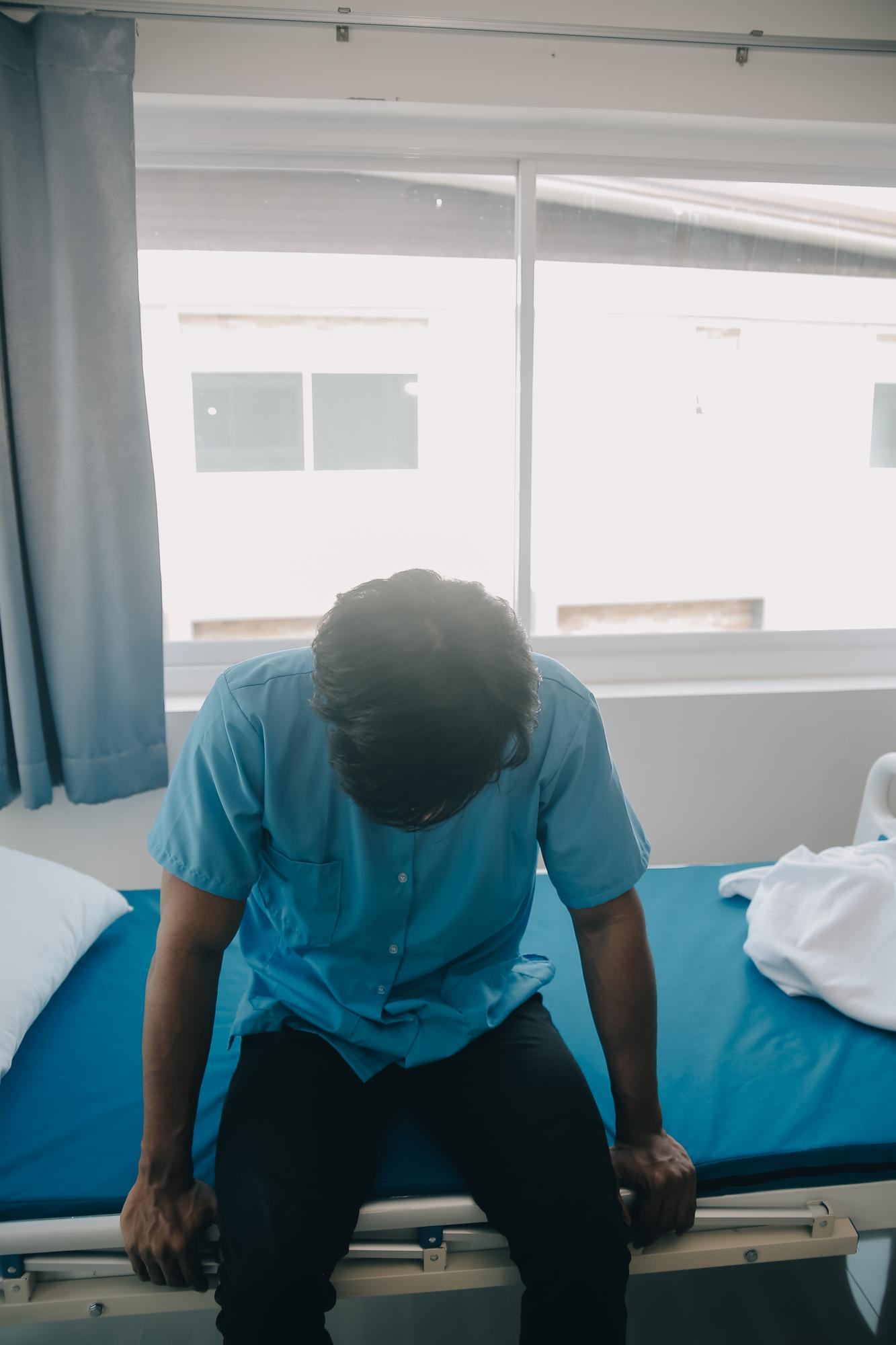
Sometimes the signal is medical rather than behavioral. A patient in outpatient treatment who begins showing worsening symptoms may need a higher level of monitoring than an outpatient schedule can provide.
Key signs to watch for include:
- Worsening withdrawal symptoms
- Increasing psychiatric symptoms
- New safety concerns
- Worsening cravings or mood symptoms over the course of treatment
- Physical symptoms that are getting worse rather than better
This is particularly important for alcohol and benzodiazepine dependence, where withdrawal can escalate quickly and carries real medical risk. These trends are worth taking seriously rather than waiting to see if they resolve on their own.
A Co-Occurring Condition That Was Never Fully Addressed
Outpatient plans built around addiction alone sometimes miss an underlying mental health condition that is quietly driving the substance use. A patient who keeps relapsing despite consistent outpatient attendance may be dealing with untreated depression, anxiety, or trauma that was never part of the original treatment plan.
Inpatient care allows a full psychiatric evaluation and a plan that treats both conditions together, which often changes the outcome entirely compared to addressing the substance use in isolation.
Making the Move Without Starting Over
One thing worth knowing is that stepping up from outpatient to inpatient is not a step backward, and it does not mean starting over from nothing. At Elev8 Centers, patients moving into inpatient rehabilitation bring what they have already learned into a more structured setting with daily individual and group therapy, and if physical dependence has developed, medical detox happens first under 24/7 supervision.
From there, the same clinical team can carry a patient through inpatient rehabilitation and into residential treatment or medication-assisted treatment if that is the right next step, so the plan builds on the work already done rather than discarding it.
Frequently Asked Questions
What is the difference between detox and inpatient rehabilitation?
Detox clears the substance from the body under 24/7 medical supervision. It addresses physical withdrawal, typically lasting 5 to 6 days at Elev8. Inpatient rehabilitation follows detox and focuses on the behavioral, emotional, and psychological side of addiction through individual and group therapy. Both are separate stages of treatment, and at Elev8 they happen at the same facility without a gap between them.
How long does each level of care take?
Medical detox typically lasts 5 to 6 days. Inpatient rehabilitation runs up to 28 days. Residential treatment timelines are longer and vary based on each patient's clinical needs and progress. The treatment team determines the appropriate length for each individual.
What is residential treatment and how is it different from inpatient rehab?
Inpatient rehabilitation is a shorter, more intensive program focused on early stabilization and recovery skills, lasting up to 28 days. Residential treatment is longer term structured care for patients who need more time and support before returning to independent living. Both are available at Elev8 Centers.
Can someone keep their job while going through inpatient treatment?
Inpatient treatment requires a leave of absence from work for the duration of the program. Detox lasts approximately 5 to 6 days; inpatient rehab runs up to 28 days. Many employers provide leave under the Family and Medical Leave Act (FMLA), which covers addiction treatment. The admissions team can help patients and families understand their options before admission.
If outpatient treatment has not been holding, that is worth a real conversation rather than another attempt at the same plan. Our admissions team at Elev8 Centers is available to talk through what has and has not been working and whether a higher level of care makes sense. You can also look through our treatment programs or start the admissions process directly.
Contact Us
At Elev8 Centers, we’re here to guide you or a loved one on the path to recovery. Our team is ready to answer questions, provide information, and help you get started.
Phone:
- Intake Phone: (646) 347-1891
- Facility Phone: (833) 353-8863
Email: info@elev8centers.com
Address: 151 W 136th St, New York, NY 10030
Business Hours: Sunday - Monday, Open 24 hours
Fill out our contact form, and a team member will respond promptly. We accept most insurance plans and are committed to making your treatment process smooth and supportive.
Related Topics:





















%20(1).jpg)
.jpg)
.jpg)



.jpg)
.jpg)


.png)
.png)




















.png)
.png)
.png)
.png)
.png)
.png)
.png)
.png)
.png)
.png)