When someone in New York starts looking into treatment, one of the first questions we hear is simple. Where do I even begin? The answer depends less on what a person wants and more on what their body and mind actually need right now.
Addiction shows up differently in every person. The level of care that fits a young adult who has been drinking heavily for six months looks nothing like the plan for someone who has struggled with opioid use for a decade. You know, that gap in need is bigger than most people expect.
As a leading rehab center in New York, Elev8 Centers walks families and patients through this decision every day. Severity, not preference, should drive that first step. It sounds simple, but getting that part right is kind of everything.
How Addiction Severity Shapes the Starting Point
Severity is not just about how much someone uses. Our clinical team looks at physical dependence, how long the pattern has gone on, whether previous treatment attempts have failed, and whether a mental health condition is tangled up with the substance use. Two people using the same substance can need two completely different plans.
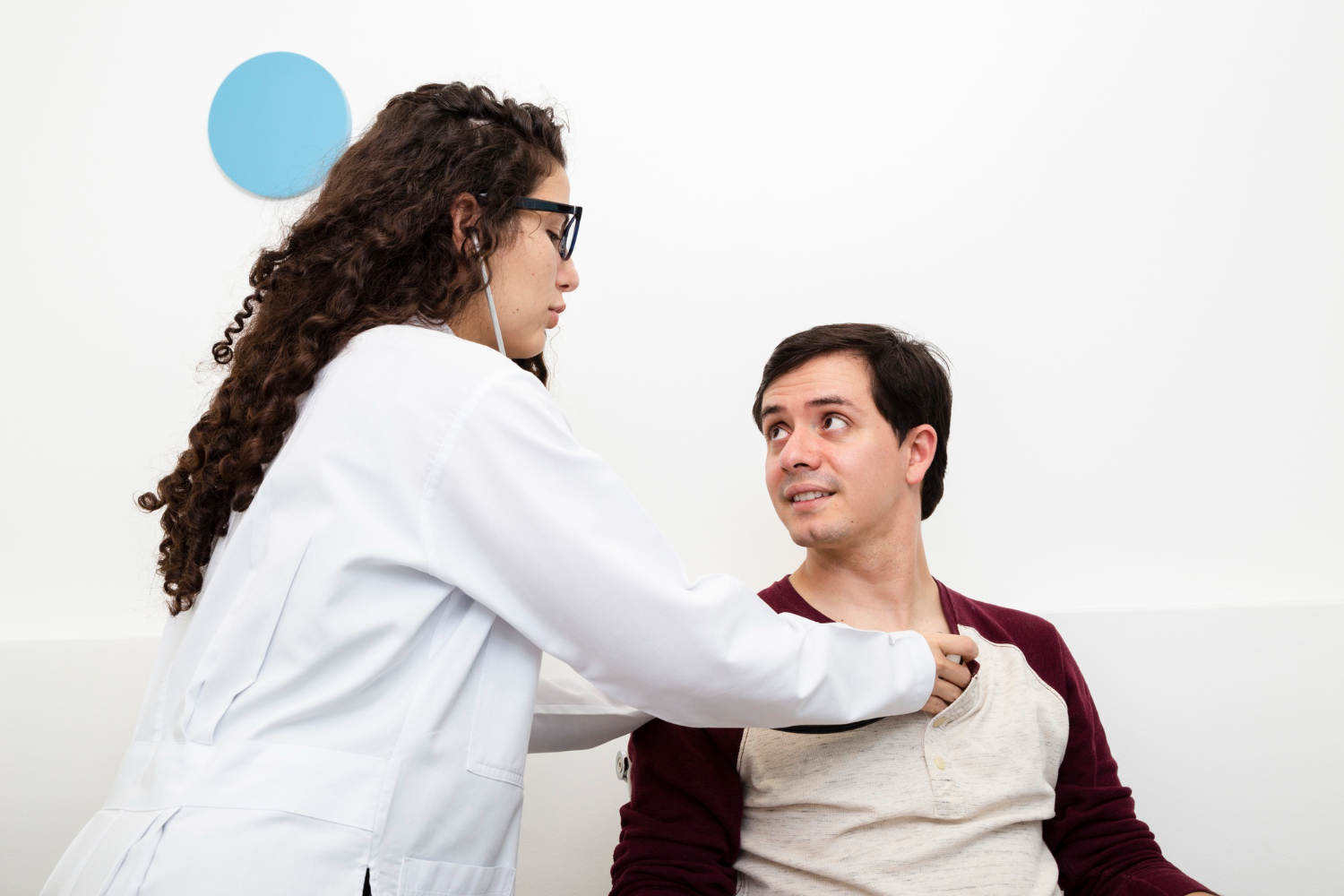
One might be able to start with structured outpatient support, while another needs 24-hour medical supervision from the very first day. Getting this assessment right at intake is what keeps people from being placed in a program that is either too intense or not intense enough for what they are facing.
Medical Detox for Physical Dependence
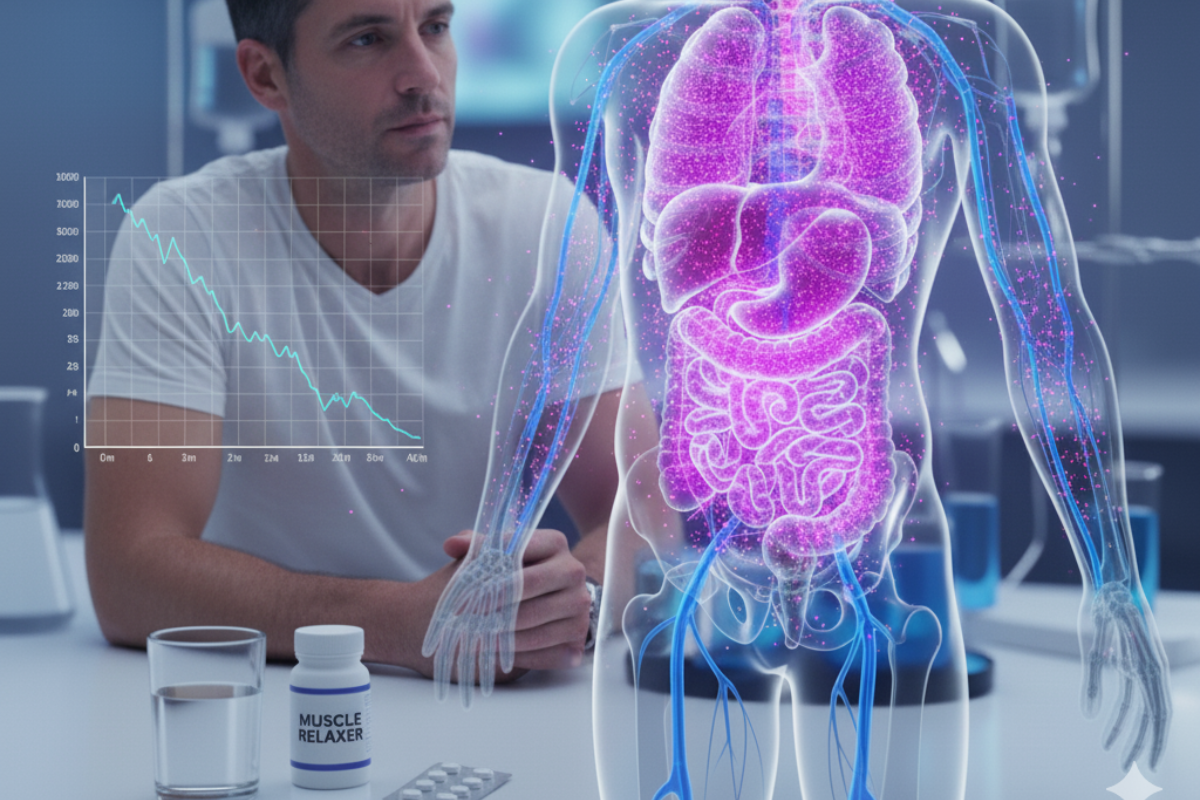
Detox is usually the first stop for anyone who has developed a physical dependence on alcohol, opioids, or benzodiazepines. This is not the same as choosing to stop using on your own. When the body has adapted to a substance, removing it can trigger withdrawal that ranges from deeply uncomfortable to medically dangerous.
Key Risks of Withdrawal:
- Alcohol withdrawal can lead to seizures and a condition called delirium tremens, which can be fatal without medical support.
- Opioid and benzodiazepine withdrawal also carries serious risks that require professional oversight.
How Detox Works at Elev8 Centers:
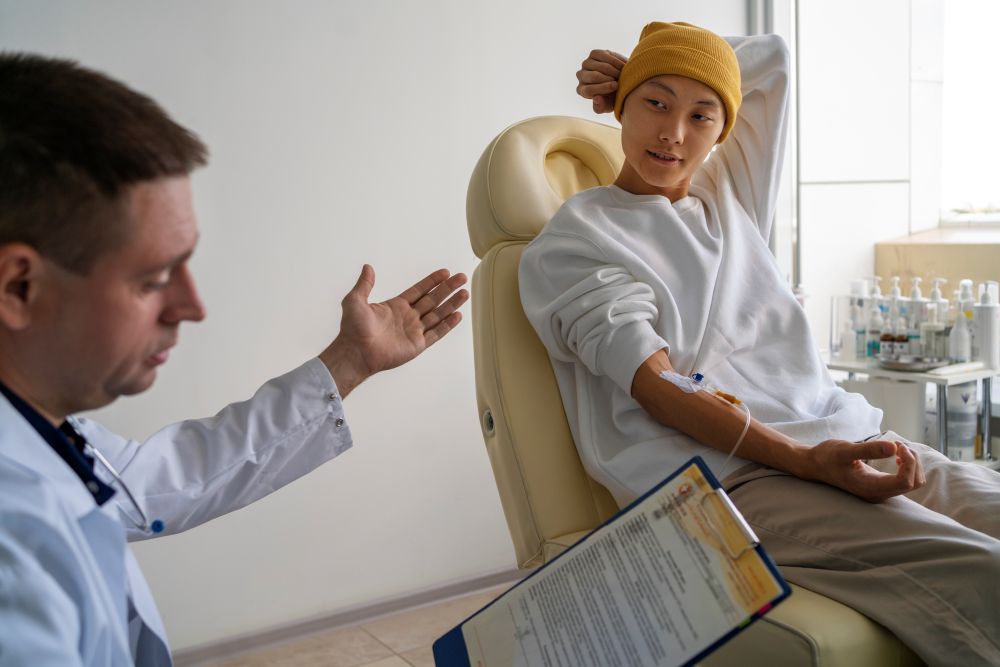
- Detox takes place in a fully inpatient setting with doctors and nurses monitoring patients around the clock.
- The process typically lasts five to six days, until the body is stable enough to move into the next phase of care.
- Once stable, the transition into rehab happens without a gap.
A Closer Look: Composite Patient Example
Consider someone who has been drinking daily for years and, after a health scare, decides to get help. Here is how the process unfolds:
- Quitting cold at home would put that person at real risk of seizure.
- Instead, they are admitted directly into medical detox.
- Medication and constant monitoring manage the withdrawal safely.
- Once stable, they transition seamlessly into the next phase of rehab.

Inpatient Rehabilitation for Structured Early Recovery
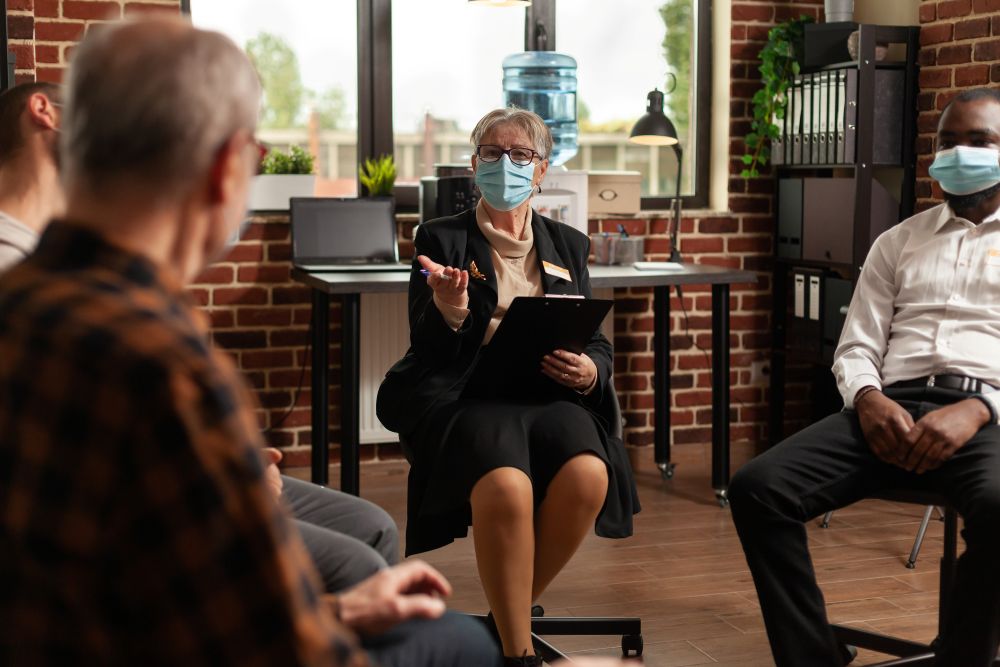
Once the body has cleared the substance, the harder work usually begins. That is where inpatient rehabilitation comes in. This level of care is built for people who need full removal from their usual environment, along with daily therapy, both individual and group, to start addressing the patterns behind their substance use.
Programs typically run up to 28 days. During that time, patients also receive psychiatric support if needed. If you have been wondering how long addiction recovery takes, this structured setting gives you a real, focused start, with professional support around you every step of the way. This level fits people with moderate to severe substance use disorder, anyone who has relapsed after trying outpatient care, or someone whose home life is just not safe enough to support early recovery.
Residential Treatment for Extended Support
Some patients need more time than a 28-day inpatient program allows. Residential treatment offers that extended structure, often for those with a long history of addiction, limited support at home, or a pattern of multiple relapses.
It is not a step anyone should feel discouraged about needing. Recovery from a severe or long-standing addiction sometimes takes months rather than weeks, and residential care gives patients the room to rebuild daily routines and coping skills before they return to independent life.
Outpatient and Step Down Programs for Ongoing Care
Not everyone needs to start at the most intensive level, and almost no one should stay at the most intensive level forever.
For patients with mild to moderate dependence:
- A stable home environment
- No history of failed treatment
- Outpatient support can be the right entry point
For patients stepping down from inpatient or residential care:
- Partial hospitalization
- Outpatient counseling
- Programs that provide the bridge between full-time treatment and independent living
The goal at every stage is matching the intensity of support to what the person actually needs at that moment, not offering the same plan to everyone who walks through the door.
Dual Diagnosis and Why It Changes the Plan
A large share of the patients we see are dealing with more than substance use alone. Depression, anxiety, PTSD, and other mental health conditions frequently sit underneath addiction, and treating one without the other rarely holds up over time.
Our clinical team screens for these conditions from day one, and when a dual diagnosis is identified, both the mental health condition and the substance use disorder are treated together by the same multidisciplinary team. Skipping this step is one of the most common reasons people relapse after finishing a program that only addressed the addiction on the surface.
How Our Team Helps You Decide
We do not ask patients or families to guess which level of care is right. During the intake call, our admissions team asks about the substance involved, how long it has been part of daily life, any co-occurring mental health symptoms, and what has or has not worked before.
From there, our clinical staff, which includes medical doctors, registered nurses, licensed mental health counselors, and certified alcohol and substance abuse counselors, determines the appropriate starting point.
Elev8 Centers is licensed by the New York State Office of Alcoholism and Substance Abuse Services, accredited by the National Association of Addiction Treatment Professionals, and certified by LegitScript, so every recommendation is grounded in a program that meets independently verified standards.
Frequently Asked Questions
What is the difference between detox and inpatient rehabilitation?
Detox clears the substance from the body under 24/7 medical supervision. It addresses physical withdrawal, typically lasting 5 to 6 days at Elev8. Inpatient rehabilitation follows detox and focuses on the behavioral, emotional, and psychological side of addiction through individual and group therapy. Both are separate stages of treatment, and at Elev8 they happen at the same facility without a gap between them.
How long does each level of care take?
Medical detox typically lasts 5 to 6 days. Inpatient rehabilitation runs up to 28 days. Residential treatment timelines are longer and vary based on each patient's clinical needs and progress. The treatment team determines the appropriate length for each individual.
What is residential treatment, and how is it different from inpatient rehab?
Inpatient rehabilitation is a shorter, more intensive program focused on early stabilization and recovery skills, lasting up to 28 days. Residential treatment is longer-term structured care for patients who need more time and support before returning to independent living. Both are available at Elev8 Centers.
Does Elev8 Centers treat co-occurring mental health conditions?
Yes. Elev8 uses a dual diagnosis approach, meaning patients with both a substance use disorder and a mental health condition, such as depression, anxiety, PTSD, or bipolar disorder, receive treatment for both at the same time. Treating only one while leaving the other unaddressed is a common reason people relapse.
If you are trying to figure out where you or someone you love fits into this picture, you do not have to sort it out alone. Our admissions team at Elev8 Centers is available to walk through the situation and help identify the right starting point. You can also learn more about our full range of treatment programs or review our admissions process before you call.
Contact Us
At Elev8 Centers, we’re here to guide you or a loved one on the path to recovery. Our team is ready to answer questions, provide information, and help you get started.
Phone:
- Intake Phone: (646) 347-1891
- Facility Phone: (833) 353-8863
Email: info@elev8centers.com
Address: 151 W 136th St, New York, NY 10030
Business Hours: Sunday - Monday, Open 24 hours
Fill out our contact form, and a team member will respond promptly. We accept most insurance plans and are committed to making your treatment process smooth and supportive.
Related Topics:



















%20(1).jpg)
.jpg)
.jpg)



.jpg)
.jpg)


.png)
.png)


















.png)
.png)
.png)
.png)
.png)
.png)
.png)
.png)
.png)
.png)