

.jpg)
The decision to enter rehab is already a lot to process. Paperwork should not be the thing that keeps someone from getting help. In most cases, the documents needed for admission are simpler than people expect, and comprehensive rehab support can help make the intake process easier to understand.
At Elev8 Centers, the goal is to gather the information needed to keep each patient safe and build the right treatment plan. The intake process is not about judging whether someone deserves care. It is about understanding what kind of care they need.
Why the Intake Process Exists
The intake process gives the clinical team a clear starting point. Before treatment begins, the team needs to know what substances are involved, whether withdrawal is likely, what medications the patient takes, and whether there are medical or mental health concerns.
This information helps determine whether detox is needed first. It also helps the team choose safe medications, identify risks, and create a treatment plan that fits the patient.
The process may feel personal, but every question has a clinical purpose. The more accurate the information is, the better the team can support the patient from day one.
Identification Documents
A valid government-issued photo ID is the main document needed for admission. This can be a driver’s license, state ID, or passport. If the person does not have one, it is best to contact the admissions team before arrival to discuss options.
If a family member is helping with admission, that person may also need to provide identification. The admissions team can explain what is needed during the first call.
Having ID ready helps keep the intake process moving smoothly. But if something is missing, it is still worth calling and asking what can be done.
Insurance and Payment Documentation
If the patient has insurance, bring the insurance card or have the plan name and member ID available. Elev8 Centers verifies insurance before the patient arrives, so it helps to have this information ready during the admissions call.
For Medicaid, bring the Medicaid card or ID number. For military coverage, have the related insurance information available. For self-pay admission, the admissions team can explain payment options during the call.
The earlier this information is shared, the faster coverage can be checked. Families do not have to wait until arrival day to start that process.
Medication Lists and Medical Records
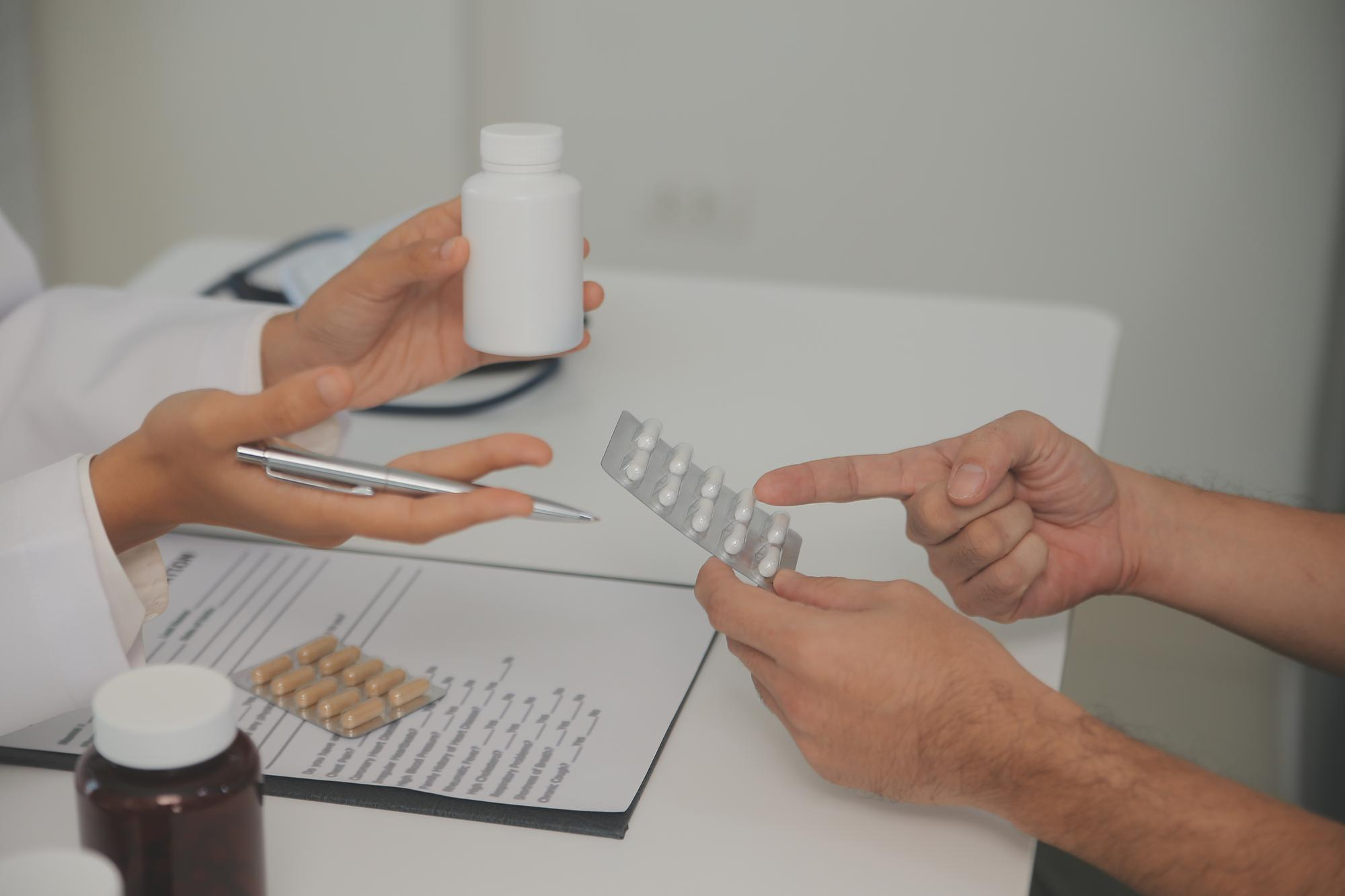
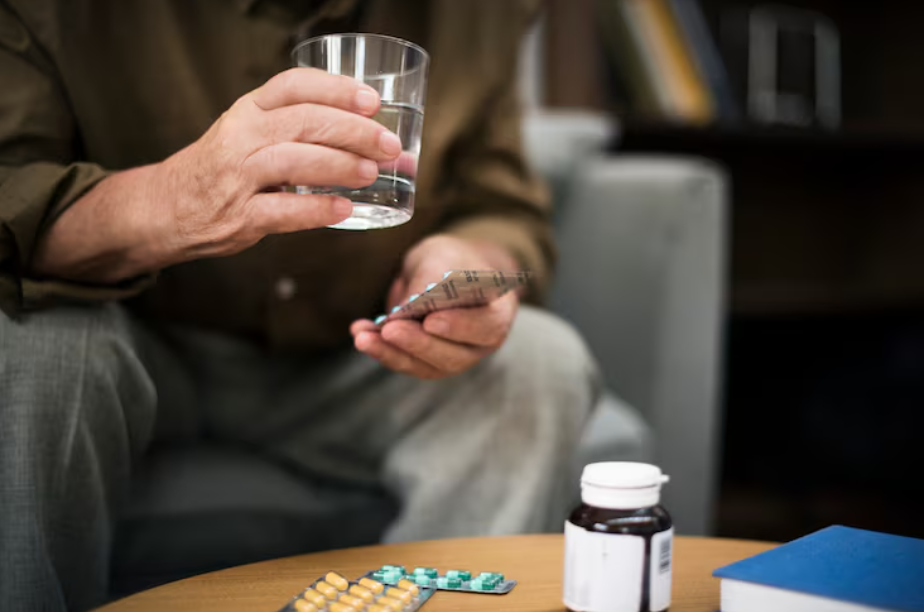
A current medication list is very helpful. Include the name of each medication, the dosage, and how often it is taken. This should include prescriptions, over-the-counter medications used regularly, and supplements.
Medications should also be brought in their original labeled containers when possible. This helps the clinical team confirm what the patient is taking and make safe decisions during detox or treatment.
Medical records are helpful but not always required on day one. If the patient has recent hospital discharge paperwork or records from another treatment facility, bring them. Those documents can give the intake team useful clinical information right away.
What the Clinical Assessment Covers
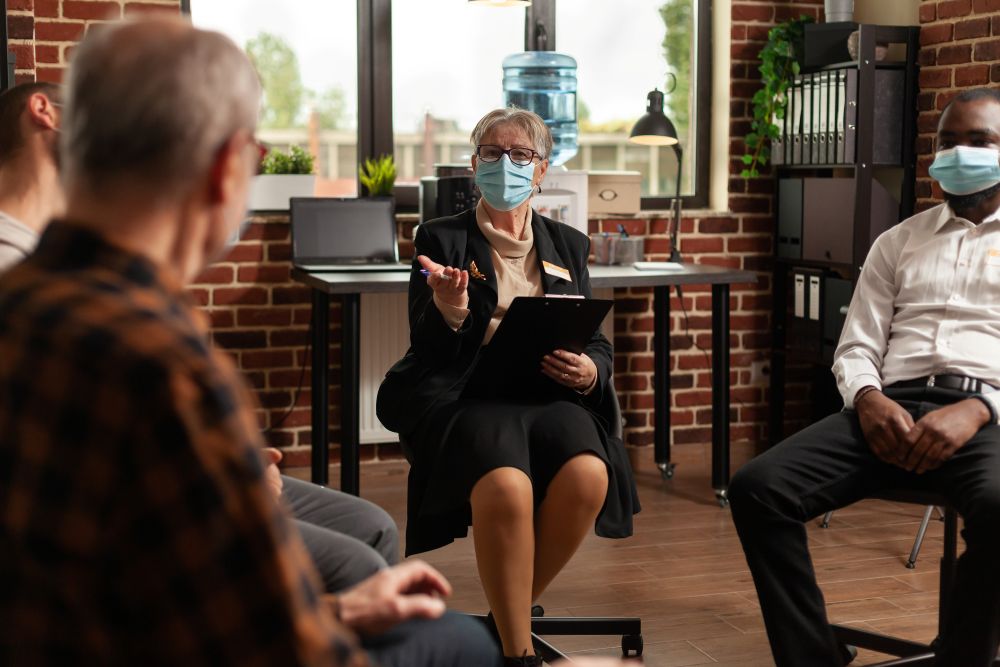
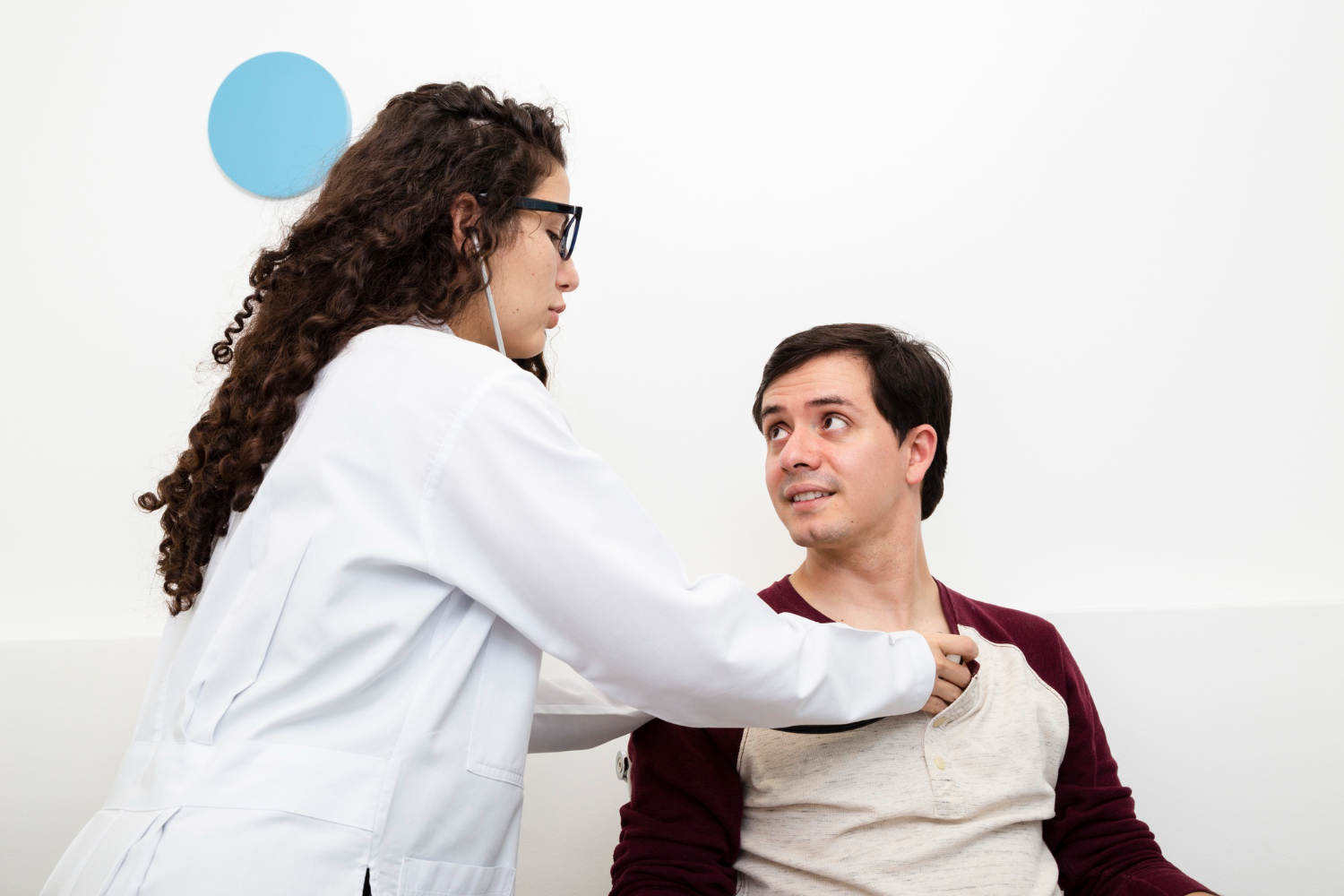
Every patient receives a full intake assessment before the treatment plan is confirmed. This is a guided conversation with a member of the clinical team, not just a form to fill out alone.
The assessment covers substance use history, including what substances are being used, how often, and for how long. It also covers past treatment, physical health, mental health, living situation, support system, and any immediate safety concerns.
This assessment helps determine the right level of care. It can also identify whether detox, inpatient rehab, medication-assisted treatment, or dual diagnosis support should be part of the plan.
The Psychiatric Evaluation at Intake
At Elev8 Centers, every patient receives a psychiatric evaluation during intake. This helps identify co-occurring mental health concerns that may be connected to substance use.
Many people enter treatment with untreated depression, anxiety, trauma, PTSD, bipolar disorder, or other mental health symptoms. Some have never been formally evaluated before.
The psychiatric evaluation is not about putting a label on someone. It is about making sure mental health needs are treated alongside addiction. That can reduce relapse risk and help the treatment plan work more effectively.
What to Bring on the First Day
Beyond paperwork, patients should bring comfortable clothing for the stay, approved personal hygiene items, prescribed medications in original containers, and a few personal comfort items if allowed.
The admissions team will provide the approved packing list before arrival. This list matters because treatment facilities have safety rules about what can and cannot come in.
Do not bring substances, unsafe items, or anything not approved by the facility. Asking ahead prevents delays during check-in.
What Happens If You Do Not Have Everything
Missing paperwork should not stop someone from calling for help. Elev8 Centers works with the information available and follows up on missing items after the patient is settled whenever possible.
A valid photo ID is the one document that is always needed, but many other details can be handled with the admissions team. If you are calling during a crisis, do not wait until every document is perfect.
The first step is the call. From there, the admissions team can explain what is needed, what can be worked around, and how to move forward.
Related Topics:














%20(1).jpg)
.jpg)



.jpg)
.jpg)



.png)
.png)





















.png)
.png)
.png)
.png)
.png)
.png)
.png)
.png)
.png)
.png)















.png)