

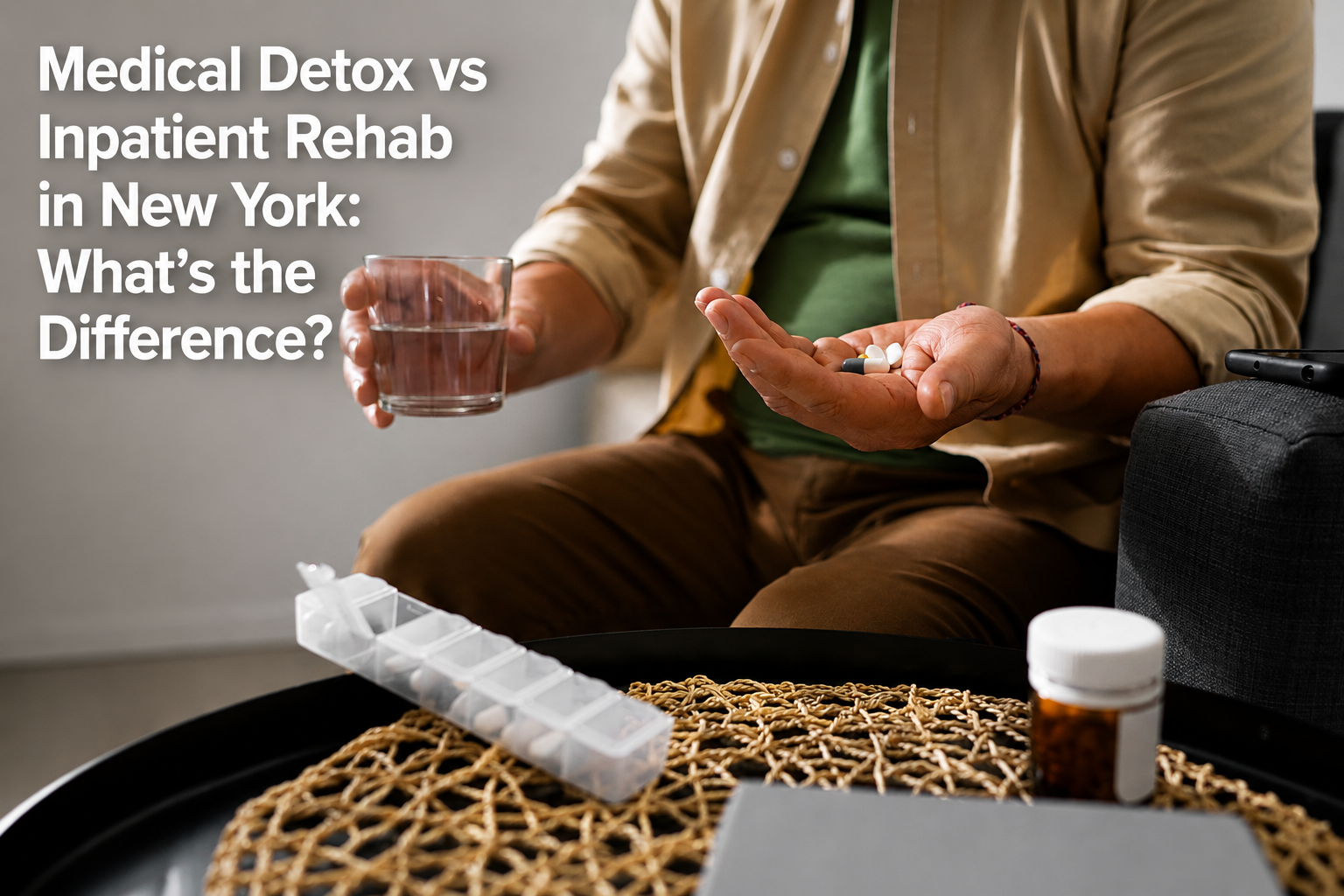
If you have started looking at addiction treatment in New York, you have probably seen both terms: medical detox and inpatient rehab. They are connected, but they are not the same thing. Detox focuses on getting someone safely through withdrawal, while inpatient rehab focuses on the therapy, structure, and support needed after that first stage.
Reputable detox centers in NYC can help determine whether medical detox is needed before rehab begins. Some people need detox first because stopping alcohol, opioids, benzodiazepines, or other substances can be unsafe without medical care. Understanding the difference between these two stages makes it easier to know what to expect and what kind of help may be needed first.
What Medical Detox Does
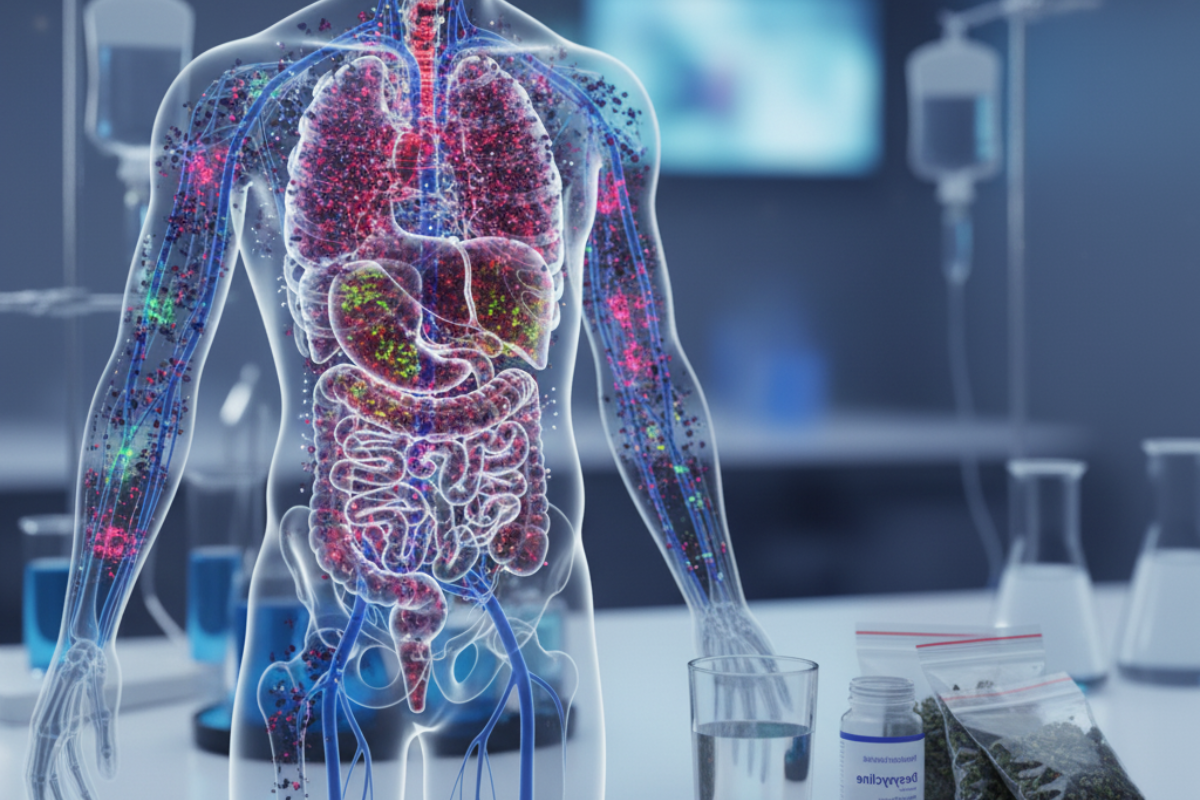
Medical detox is the first stage of treatment for anyone who is physically dependent on a substance. When someone has been using alcohol, opioids, benzodiazepines, or other substances regularly over time, the body adapts to having that substance present. When the substance is removed, the body reacts, producing what is known as withdrawal.
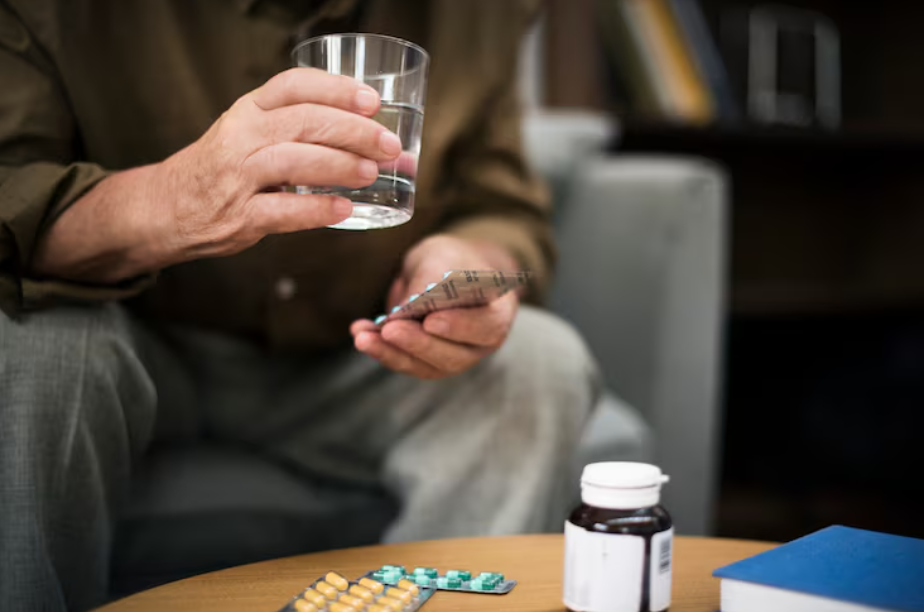
Withdrawal from alcohol and benzodiazepines can cause seizures and, in serious cases, a condition called delirium tremens (DTs) that requires immediate medical intervention. Opioid withdrawal is rarely fatal on its own, but the physical discomfort is severe enough that most people cannot get through it without support. Medical detox places patients in an inpatient setting where clinical staff are present around the clock to monitor vital signs, manage symptoms with medication, and respond to any complications that arise.
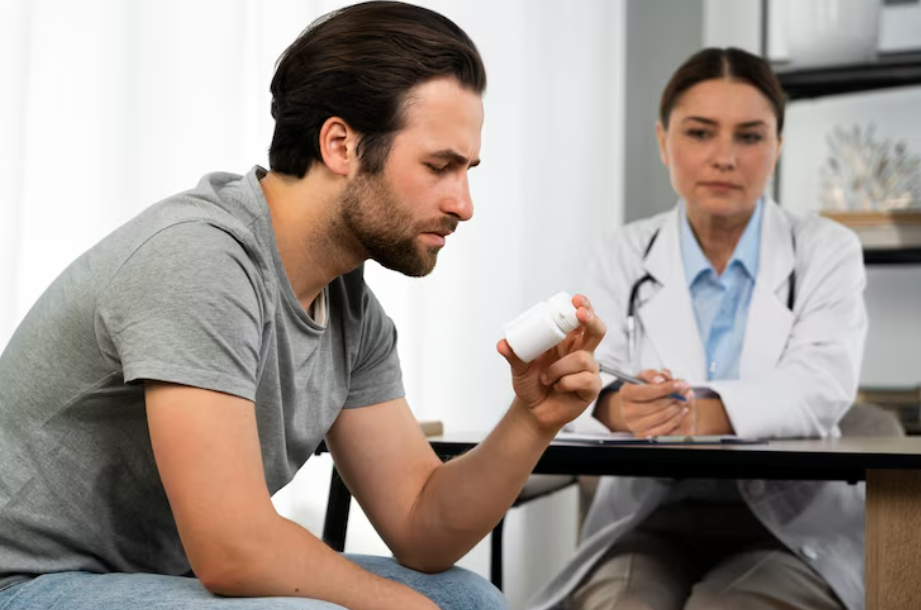
At Elev8 Centers, medically supervised detox typically lasts 5 to 6 days. Patients have access to doctors, registered nurses, and pharmacists throughout the entire process. The goal of detox is focused: safely clear the substance from the body while keeping the patient as stable and comfortable as possible.
What Inpatient Rehabilitation Addresses
Once the physical withdrawal is complete and the patient is medically stable, detox ends, and rehabilitation begins. This is where the work of recovery takes place.
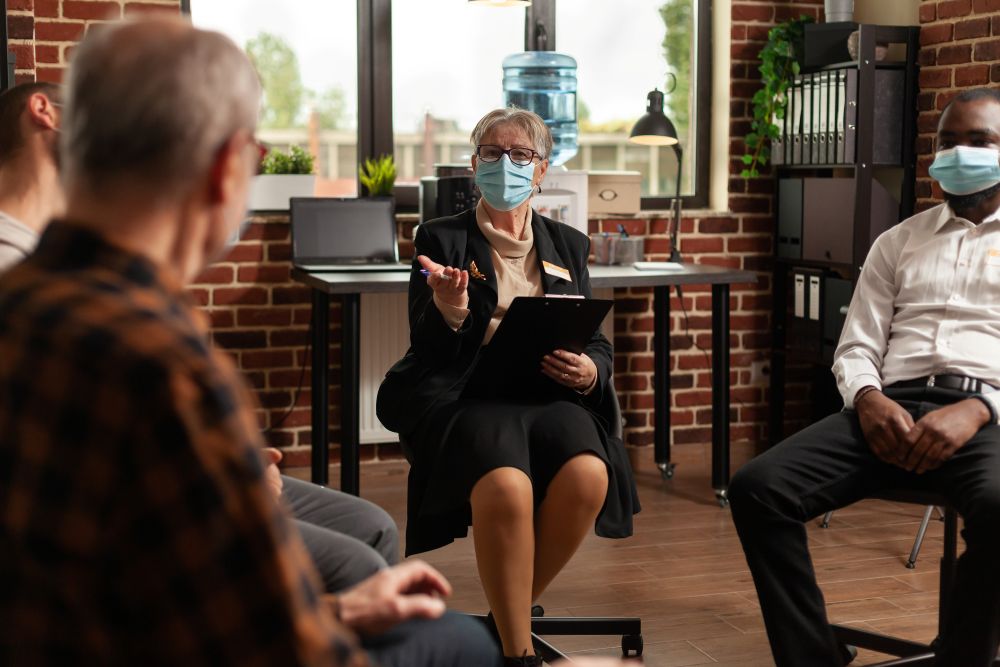
Inpatient rehab addresses the behavioral, psychological, and emotional patterns behind addiction. Patients live at the facility for the duration of treatment, which at Elev8 Centers runs up to 28 days. Each day includes individual therapy sessions, group therapy, psychiatric support, recreational programming, and educational sessions focused on coping skills, relapse prevention, and building a stable life in recovery.
The distinction matters: detox clears the substance from the body. Inpatient rehab works on the reasons a person was using in the first place, the triggers that sustained the addiction, and the skills needed to stay sober once treatment ends.
Why These Two Stages Work Together
Detox without rehabilitation carries a high relapse rate. Physical cravings return quickly once detox is complete, and without therapy, coping tools, or a structured recovery plan, most people return to use within days.
Rehabilitation without prior detox is not safe for people with significant physical dependence. A person in active withdrawal is not in a position to engage meaningfully in therapy. Detox has to come first.
This is why at Elev8 Centers, we provide both stages at the same facility with the same clinical team. A patient who completes medically supervised detox moves directly into inpatient rehabilitation without being transferred, without starting over, and without a gap in care. The transition happens at the same location with staff who already know the patient's clinical history.
When Detox Is Required Before Rehab
Not everyone who enters inpatient rehab needs to start with detox. But for patients with significant physical dependence, detox must come first. This typically applies to people who have been drinking heavily on a daily basis and want to stop, patients dependent on opioids or heroin, anyone using benzodiazepines regularly, and polysubstance users where one of the substances carries withdrawal risk.
If there is any question about whether detox is needed, our clinical team at Elev8 Centers assesses this at intake. No patient is placed into rehabilitation if doing so would put them at medical risk.
How Dual Diagnosis Fits Into Both Stages
Many people entering treatment have both a substance use disorder and an underlying mental health condition such as depression, anxiety, PTSD, or bipolar disorder. This is known as a dual diagnosis.
At our facility, we screen every patient for co-occurring mental health conditions at intake. The dual diagnosis approach means both conditions are treated at the same time, across both detox and inpatient rehab. Treating only the substance use while leaving a mental health condition unaddressed is one of the main reasons people relapse after completing treatment.
Getting Started in New York
If you are not sure whether you need detox, inpatient rehab, or both, our admissions team can help you work through that. We accept admissions every day of the year, and the first conversation is completely confidential.
Frequently Asked Questions
What is the difference between detox and inpatient rehabilitation?
Detox clears the substance from the body under 24/7 medical supervision. It addresses physical withdrawal, typically lasting 5 to 6 days at Elev8. Inpatient rehabilitation follows detox and focuses on the behavioral, emotional, and psychological side of addiction through individual and group therapy. Both are separate stages of treatment, and at Elev8, they happen at the same facility without a gap between them.
Is medical detox at Elev8 Centers supervised around the clock?
Yes. Elev8's detox program is fully inpatient with medical staff (including doctors and nurses) available 24 hours a day, 7 days a week. Patients are monitored continuously throughout the withdrawal process and receive medication to manage symptoms as needed.
How long does each level of care take?
Medical detox typically lasts 5 to 6 days. Inpatient rehabilitation runs up to 28 days. Residential treatment timelines are longer and vary based on each patient's clinical needs and progress. The treatment team determines the appropriate length for each individual.
Is alcohol detox medically dangerous without supervision?
Yes. Alcohol withdrawal can cause seizures and a condition called delirium tremens (DTs), which can be fatal without medical intervention. Anyone with significant alcohol dependence should not attempt to stop drinking without medical supervision. Elev8's medically supervised detox program is designed to manage these risks safely.
Does Elev8 Centers treat co-occurring mental health conditions?
Yes. Elev8 uses a dual diagnosis approach, meaning patients with both a substance use disorder and a mental health condition, such as depression, anxiety, PTSD, or bipolar disorder, receive treatment for both at the same time. Treating only one while leaving the other unaddressed is a common reason people relapse.
Contact Us
At Elev8 Centers, we’re here to guide you or a loved one on the path to recovery. Our team is ready to answer questions, provide information, and help you get started.
Phone:
- Intake Phone: (646) 347-1891
- Facility Phone: (833) 353-8863
Email: info@elev8centers.com
Address: 151 W 136th St, New York, NY 10030
Business Hours: Sunday - Monday, Open 24 hours
Fill out our contact form, and a team member will respond promptly. We accept most insurance plans and are committed to making your treatment process smooth and supportive.
Related Topics:












%20(1).jpg)
.jpg)
.jpg)



.jpg)
.jpg)

.png)
.png)




















.png)
.png)
.png)
.png)
.png)
.png)
.png)
.png)
.png)
.png)













.png)