Anyone researching addiction treatment in New York runs into a wall of acronyms fairly quickly. IOP, PHP, inpatient rehab, and residential care, they all sound similar on paper but represent very different amounts of structure and medical involvement. You know, it is easy to assume they are just variations of the same thing. They are not.
At Elev8 Centers, our team of expert rehab providers spends a good amount of time on the phone helping people sort out which of these actually fits their situation. So this piece lays out how the three compare and where each one tends to make sense.
What Intensive Outpatient Programs Provide
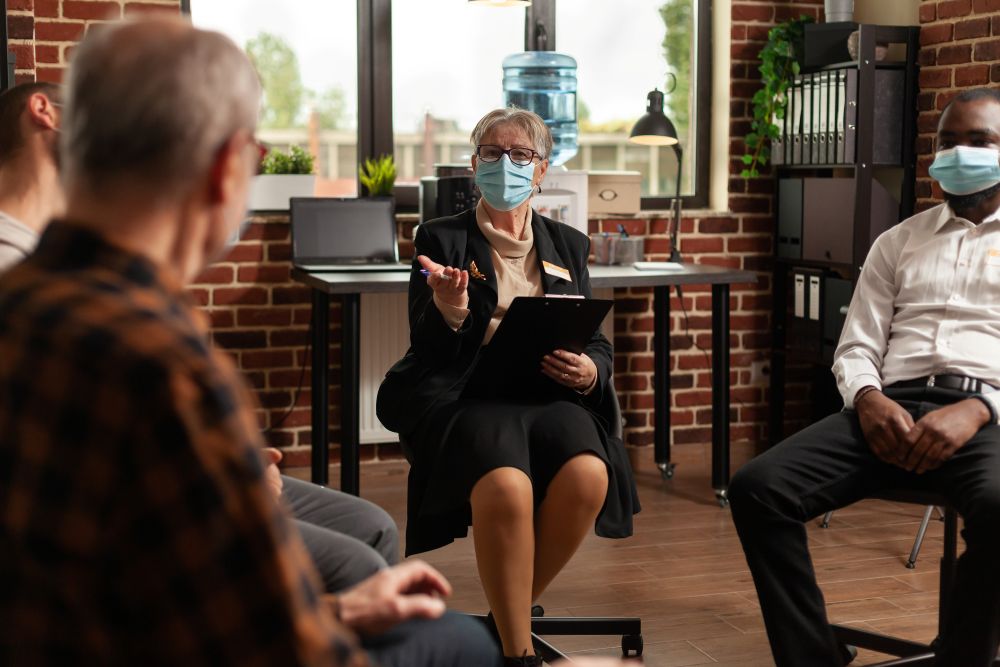
Intensive outpatient programs, usually shortened to IOP, sit on the lighter end of structured treatment. Patients attend scheduled therapy sessions several times a week, often a few hours at a time. Life does not stop in between. Work, family, home, it all keeps moving while treatment stays consistent in the background. At Elev8 Centers, our intensive outpatient program in NY follows this model, with group and individual sessions scheduled around work and family commitments.
This level works well for people with milder substance use patterns, a stable home environment, and no immediate medical risk from stopping use. It is also, kind of, the natural next step after finishing a more intensive program. A comprehensive outpatient rehabilitation facility like Elev8 Centers makes the transition smoother, providing patients with the ongoing support they need as they step back into everyday life.

What Partial Hospitalization Adds
Partial hospitalization, or PHP, sits a step above IOP in terms of daily time commitment and clinical oversight. Patients typically attend treatment for most of the day, several days a week, receiving a heavier dose of therapy, psychiatric support, and monitoring than IOP provides, while still returning home in the evenings.
PHP is often the right fit for someone who needs more structure than outpatient counseling can offer but does not require round-the-clock supervision. It also serves as a natural step down for patients finishing inpatient rehabilitation who are not quite ready to move straight into a lighter outpatient schedule.
What Inpatient Rehabilitation Involves
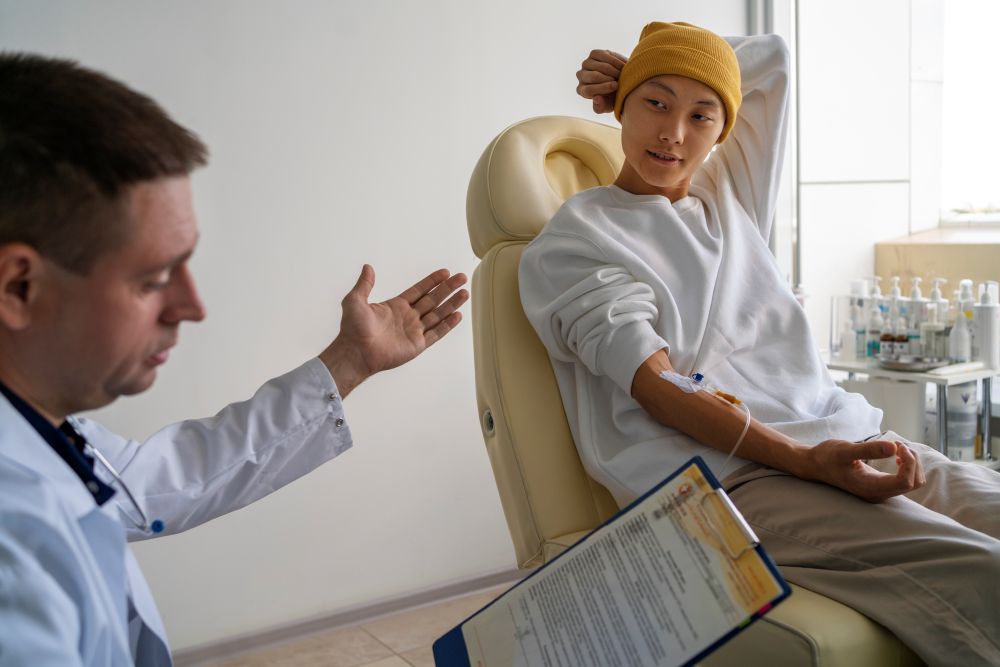
Inpatient rehabilitation is the most structured level of care, where a patient lives at the facility for the full duration of treatment. At Elev8 Centers, programs typically run up to 28 days and include:
- Daily individual therapy
- Group sessions
- Psychiatric check-ins
- Recreational programming
The clinical team consists of:
- Medical doctors
- Licensed mental health counselors
- Certified alcohol and substance abuse counselors
This level of care is best suited for:
- Patients with moderate to severe substance use disorder
- Anyone who has relapsed after a lighter level of care
- Someone whose home environment does not support daily recovery work
For patients with physical dependence on alcohol or opioids, inpatient rehab typically follows a period of medically supervised detox first, since the body needs to be stabilized before therapeutic work can begin.
How Severity Points Toward the Right Level
The honest answer to which of these three is best is that it depends entirely on the person. A patient with a stable home life and mild dependence may do well starting in IOP. Someone with more significant use, a less stable environment, or a history of relapsing in lighter programs often needs the heavier structure of PHP or inpatient care from the start.
And a patient with physical dependence severe enough to require medical detox almost always needs to begin at the inpatient level, since outpatient settings are not equipped to manage withdrawal safely.
Take a patient who tried IOP after a rough period of drinking, attended every session, and still found themselves drinking again within weeks. That pattern usually signals that the level of structure was not enough to interrupt the cycle, and a move to PHP or inpatient care, sometimes preceded by medical detox, gives the plan a better chance of holding.
Moving Between Levels Without Losing Progress
One advantage of treatment at a single facility that offers detox, inpatient rehabilitation, residential treatment, and outpatient support is that patients do not have to restart their care with a new team every time their needs change.
A patient can step down from inpatient rehab into PHP and later into a lighter outpatient schedule or step up from outpatient into a more structured level if relapse becomes a pattern, all while the same clinical team stays involved in their case. That continuity tends to matter more for long-term outcomes than which acronym a patient starts with.
Related Topics:
























%20(1).jpg)
.jpg)
.jpg)



.jpg)
.jpg)


.png)
.png)




















.png)
.png)
.png)
.png)
.png)
.png)
.png)
.png)
.png)
.png)