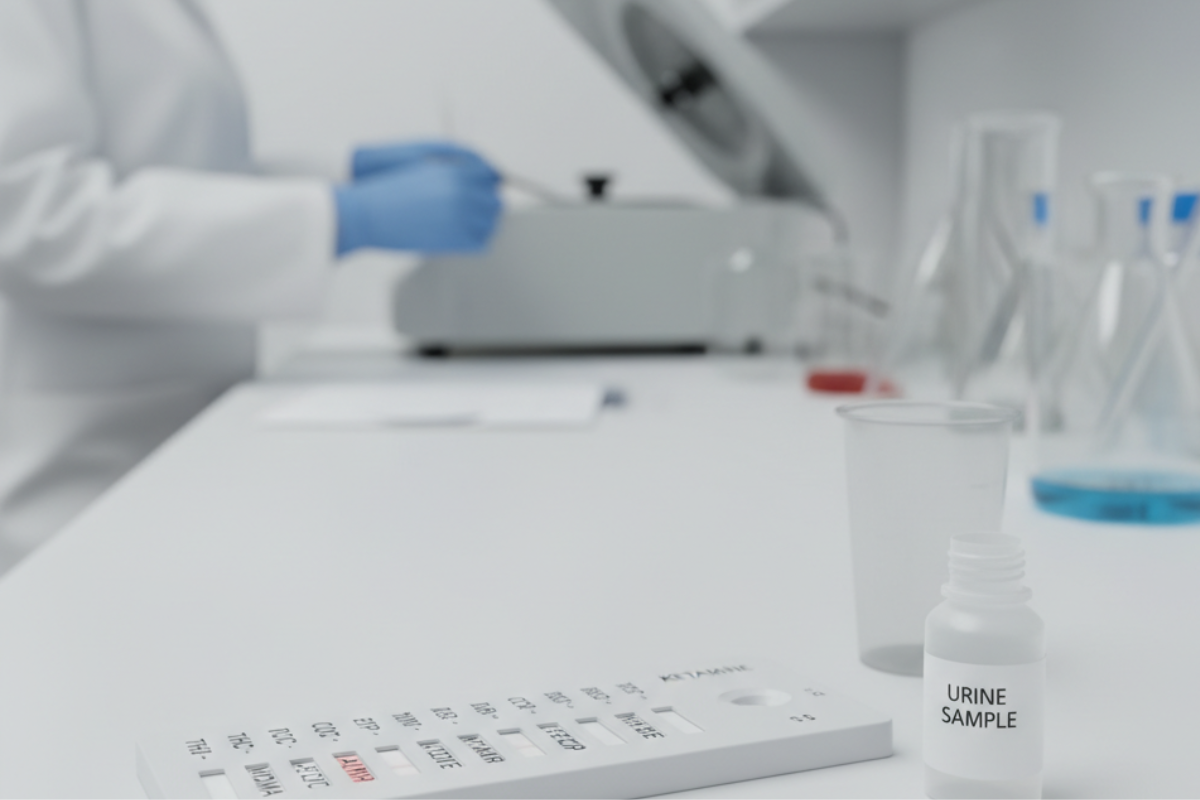
A patient walks into a New York treatment program, gets sorted into a level of care based on a quick conversation, and starts working through a plan that was never built for what they actually needed. This happens more than people realize. It is, kind of, one of the quieter reasons treatment does not stick the first time around.
As a reliable rehab center in NYC, we at Elev8 Centers have worked with plenty of patients who came to us after an earlier program underestimated how serious their situation was. Or overestimated it, and pushed them into a setting that felt more restrictive than necessary. You know, both ends of that spectrum cause real problems. Getting the severity assessment right at the start changes everything that follows.
What Misdiagnosis Actually Looks Like in Practice
Misdiagnosing addiction severity rarely means a clinician got the substance wrong. It usually means the depth of physical dependence, the presence of a co-occurring mental health condition, or the risk of relapse was underestimated during a rushed intake.
A patient with significant alcohol dependence might be placed straight into outpatient counseling without a medical detox first, putting them at risk for withdrawal complications.
On the other end, someone with mild dependence and strong support at home might be placed into a lengthy residential program that pulls them away from work and family longer than their situation calls for. Both directions cause real harm, just in different ways.
Why Under Assessment Puts Patients at Risk
When a program underestimates severity, patients face serious and compounding dangers at multiple stages of treatment.
Immediate Dangers During Withdrawal:
- Alcohol and benzodiazepine withdrawal can escalate to seizures and delirium tremens without medical supervision.
- A patient who should have started in detox but instead began in group counseling can end up back in a hospital within days.
- This results in lost ground rather than progress in treatment.
Long-Term Risks from Missed Diagnoses:
- Underassessment can cause co-occurring mental health conditions to go unnoticed later in treatment.
- A person self-medicating undiagnosed depression with alcohol will keep relapsing if only the substance use is addressed.
- When the underlying condition driving the behavior is never treated, recovery cannot be sustained.

Why Over Assessment Creates Its Own Problems
Placing someone into a level of care more intensive than they need has consequences too, even if they are less dangerous in the immediate sense. Patients who did not need inpatient care can feel overmanaged, which sometimes damages their trust in the process and makes them less willing to stay engaged.
It can also mean unnecessary time away from work, family responsibilities, or income at a moment when those pressures are already heavy. Matching intensity to actual need protects both safety and the patient's ability to stay in treatment long enough for it to work.
How Accurate Assessment Changes Outcomes
At Elev8 Centers, the intake process is built around a full medical and psychiatric evaluation, not just a short screening call. Doctors and clinical staff review the substance involved, how long the pattern has continued, prior treatment history, and any signs of a co-occurring mental health condition before recommending a starting point. That is, kind of, the whole point. The documents and assessments required for rehab admission are not just paperwork. They are the foundation that the entire treatment plan gets built on.
This is why the continuum at Elev8 runs from medical detox through inpatient rehabilitation, residential treatment, and medication-assisted treatment, all at the same facility. When a patient's needs shift as treatment progresses, the level of care can adjust without transferring them somewhere new. No starting over. No repeating the whole intake process from scratch.
Take a patient who arrives describing what sounds like moderate alcohol use. A full evaluation then reveals a longer history of dependence, along with untreated anxiety that never came up in previous screenings. Because that fuller picture came out during intake, the treatment plan addresses both at the same time, rather than treating one and leaving the other to resurface after discharge. You know, that kind of detail makes a real difference in whether someone actually stays well after leaving.
Dual Diagnosis as the Most Common Blind Spot
Of all the ways severity gets misread, an unrecognized mental health condition is the most frequent. Our clinical team screens for these conditions during intake because treating addiction while ignoring what is driving it tends to produce short-lived results.
Common conditions that often sit underneath substance use:
- Depression
- Anxiety
- PTSD
- Other unrecognized mental health conditions
Why dual diagnosis treatment matters:
- Patients may not have language for what they are experiencing when they first ask for help.
- Addressing both conditions together, under the same team, makes long-term progress realistic.
- Treating addiction alone, without addressing what drives it, tends to produce temporary fixes rather than lasting results.
Frequently Asked Questions
What is the difference between detox and inpatient rehabilitation?
Detox clears the substance from the body under 24/7 medical supervision. It addresses physical withdrawal, typically lasting 5 to 6 days at Elev8. Inpatient rehabilitation follows detox and focuses on the behavioral, emotional, and psychological side of addiction through individual and group therapy. Both are separate stages of treatment, and at Elev8 they happen at the same facility without a gap between them.
Does Elev8 Centers treat co-occurring mental health conditions?
Yes. Elev8 uses a dual diagnosis approach, meaning patients with both a substance use disorder and a mental health condition, such as depression, anxiety, PTSD, or bipolar disorder, receive treatment for both at the same time. Treating only one while leaving the other unaddressed is a common reason people relapse.
What happens after a patient completes inpatient or residential treatment?
Before discharge, each patient receives an individualized aftercare plan. This may include a referral to outpatient services, continued psychiatric care, family support resources, and follow-up check-ins. The goal is to reduce the risk of relapse and give patients a defined path to continue recovery after leaving the facility.
Who is Elev8 Centers for?
Elev8 Centers serves adults in New York City who are struggling with alcohol, opioids, heroin, cocaine, methamphetamine, prescription drugs, or multiple substances. It is also for patients with co-occurring mental health conditions, such as depression, anxiety, or PTSD, alongside a substance use disorder.
If a previous program placed you or someone you love at a level of care that never felt like a fit, it is worth having a fuller conversation before assuming the diagnosis was right. Our admissions team at Elev8 Centers can talk through what happened and what a more complete assessment might look like. You can also read more about our treatment programs or look over our admissions process before making a call.
Contact Us
At Elev8 Centers, we’re here to guide you or a loved one on the path to recovery. Our team is ready to answer questions, provide information, and help you get started.
Phone:
- Intake Phone: (646) 347-1891
- Facility Phone: (833) 353-8863
Email: info@elev8centers.com
Address: 151 W 136th St, New York, NY 10030
Business Hours: Sunday - Monday, Open 24 hours
Fill out our contact form, and a team member will respond promptly. We accept most insurance plans and are committed to making your treatment process smooth and supportive.
Related Topics:




























%20(1).jpg)
.jpg)

.jpg)



.jpg)
.jpg)


.png)
.png)























.png)
.png)
.png)
.png)
.png)
.png)
.png)
.png)
.png)
.png)