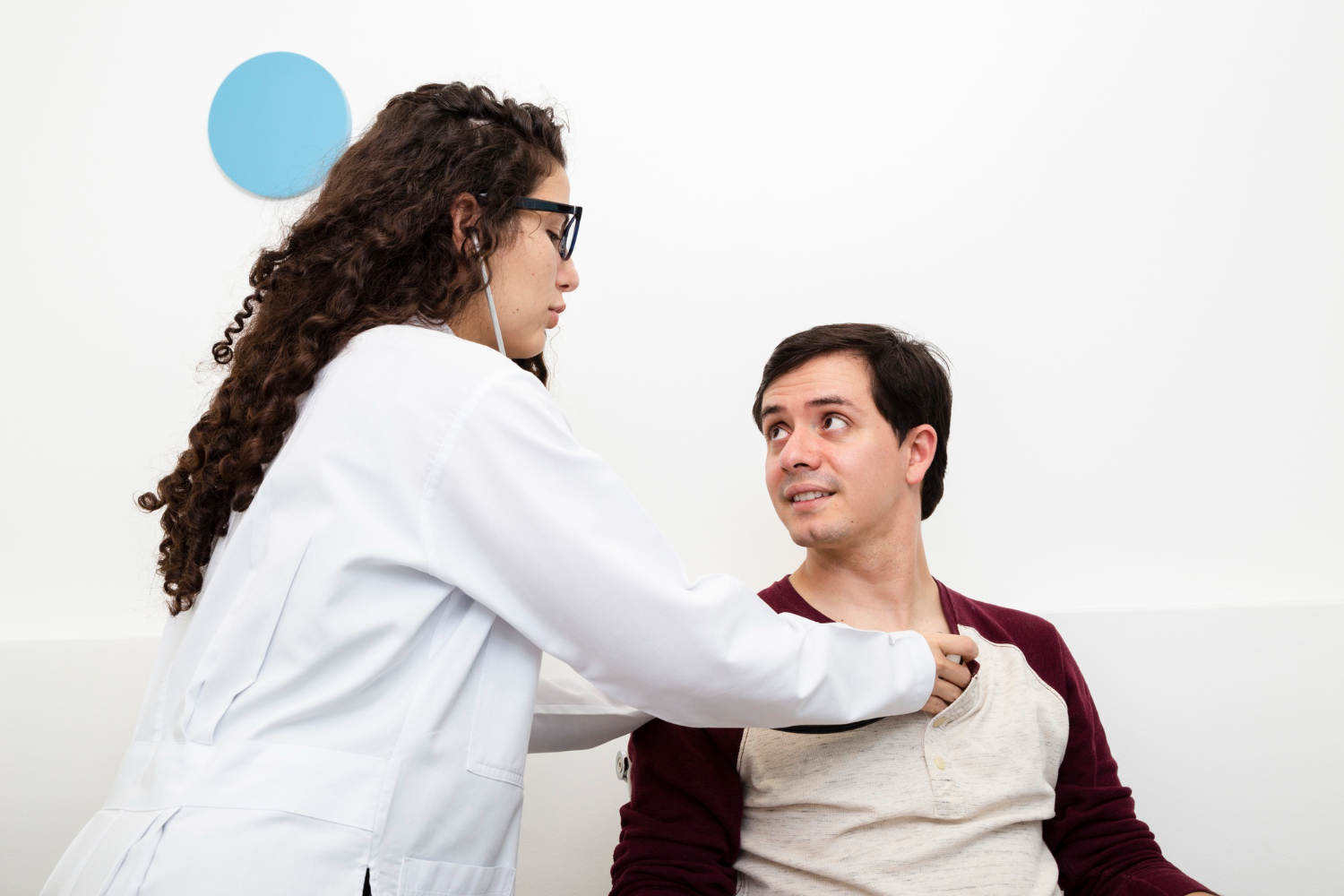
When someone is looking into inpatient rehab for the first time, one of the first questions we hear is simple: what actually happens once you get there? People picture a facility, but they don't always picture the day-to-day work that fills it.
At our quality inpatient rehab center in NYC, we build each patient's care around several types of therapy, not just one, because addiction rarely has a single cause and it doesn't respond to a single fix. Below, we walk through the main therapies we use and why each one earns its place in a treatment plan.
Individual Therapy as the Foundation
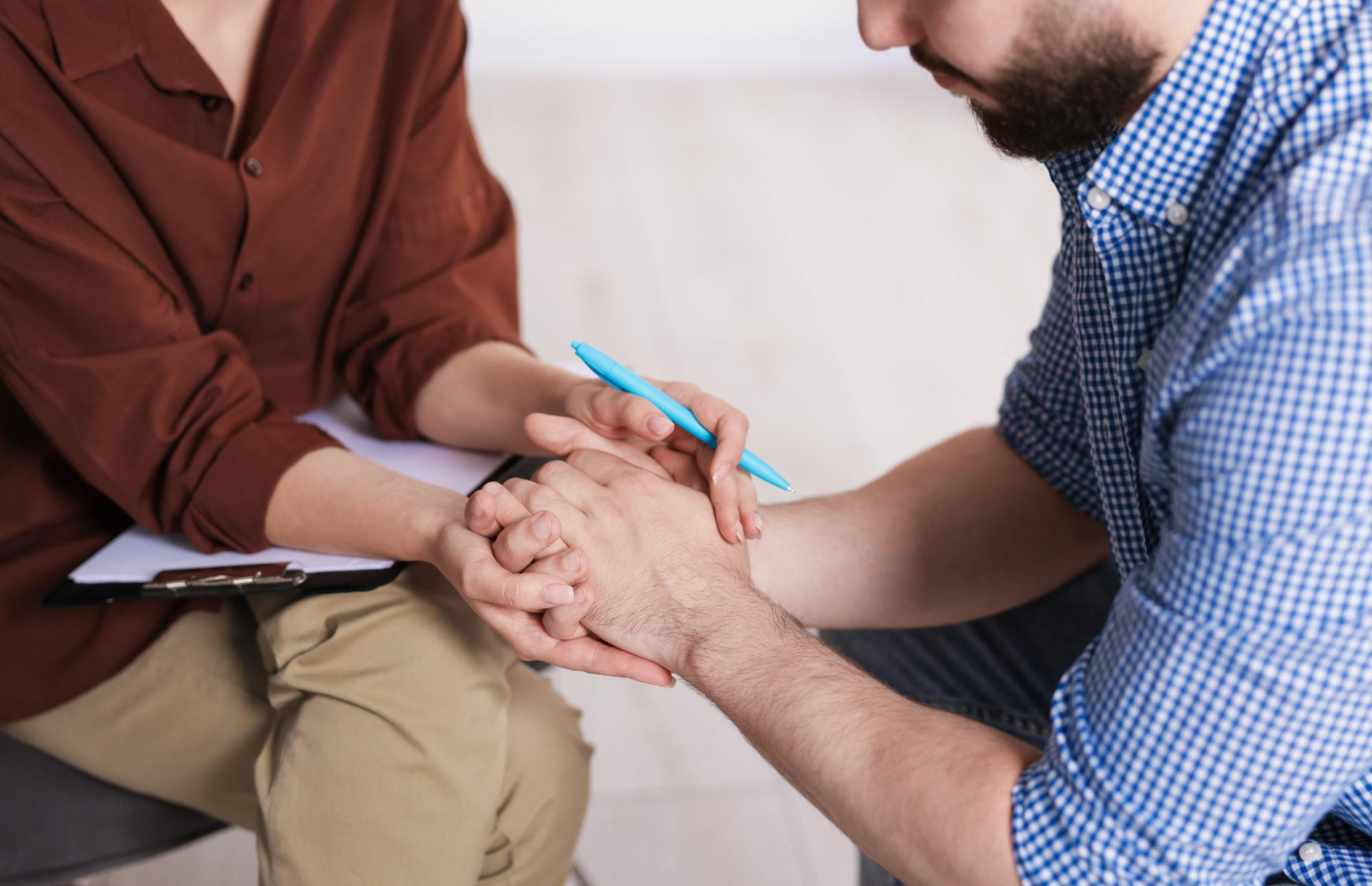
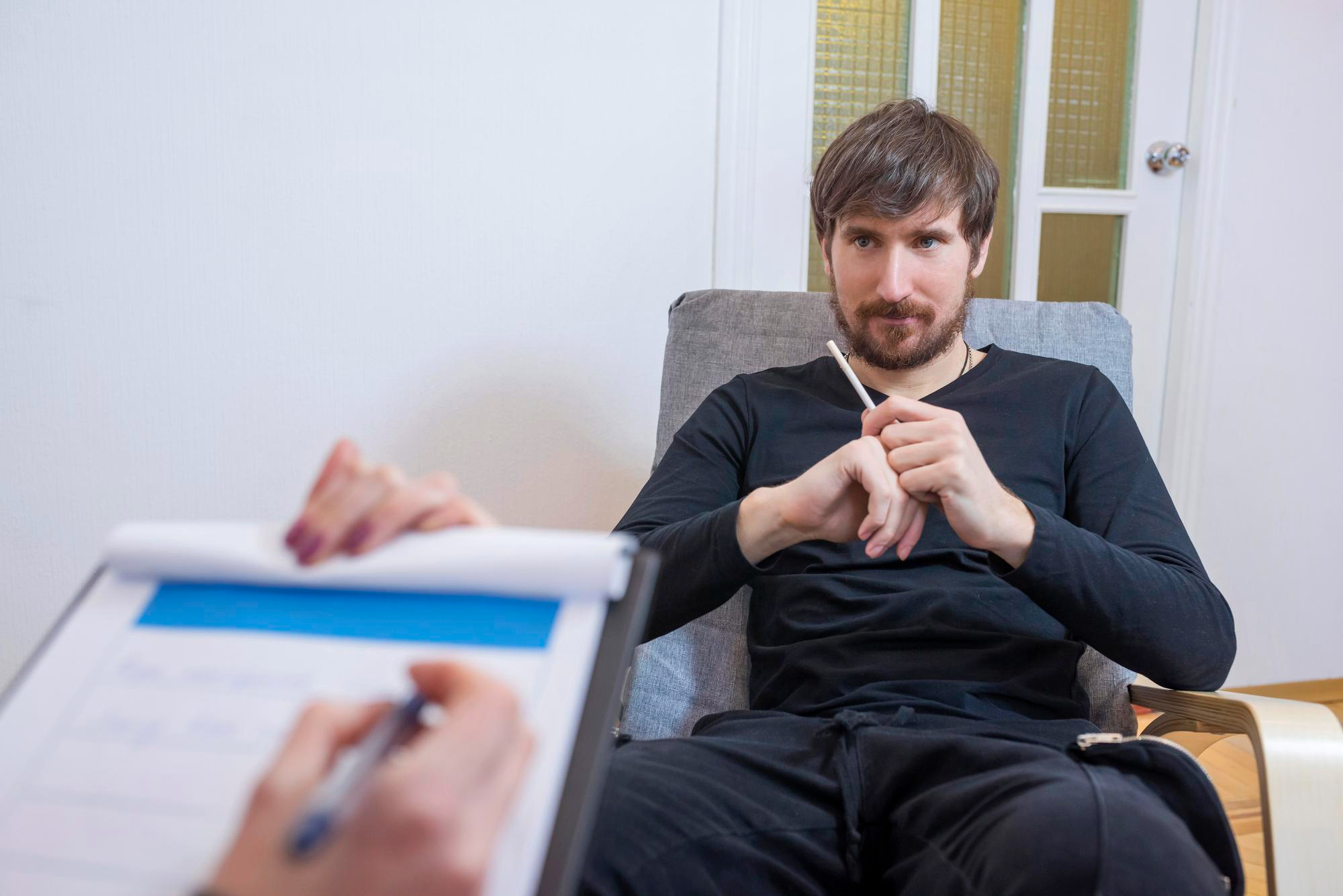
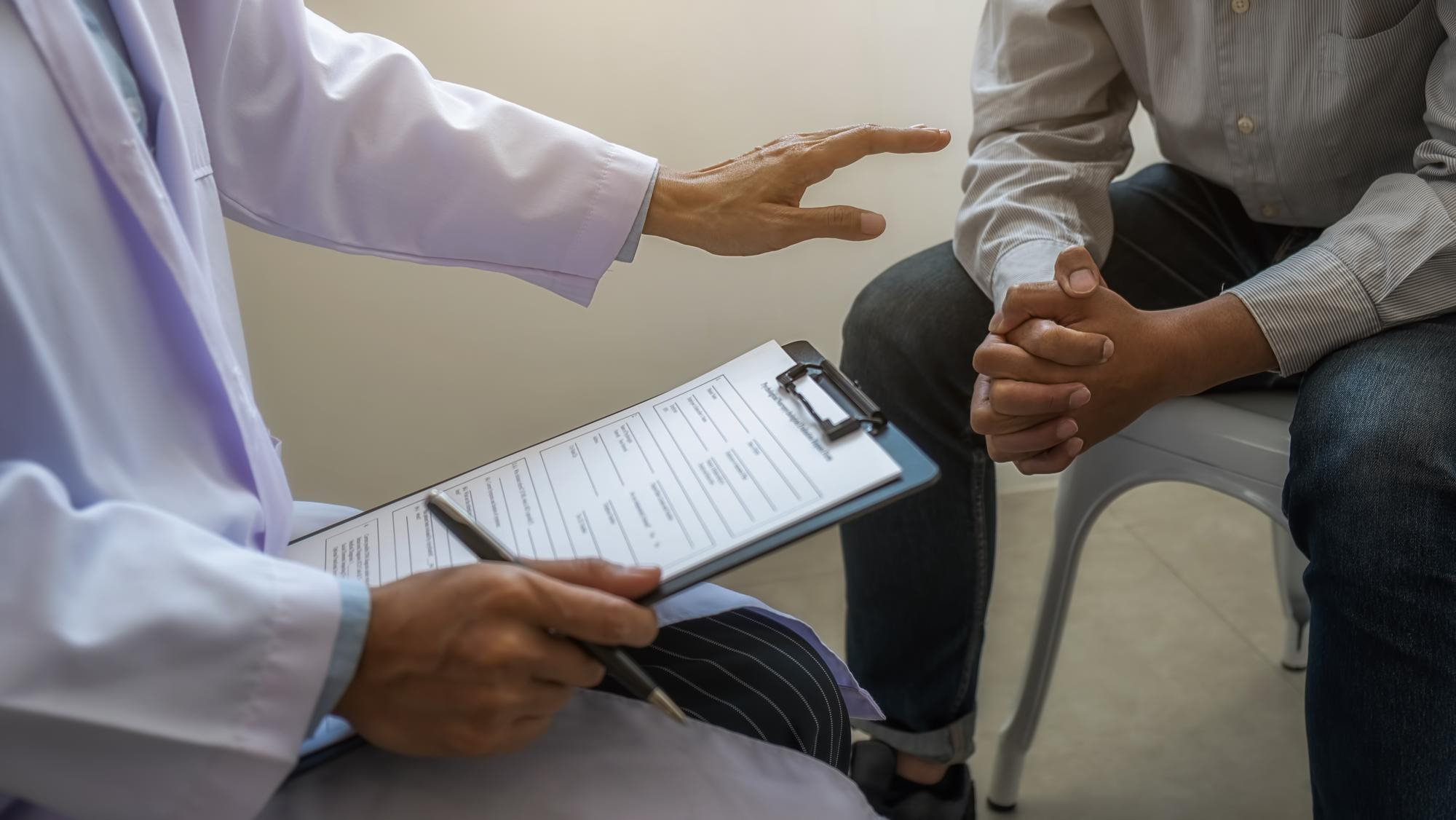
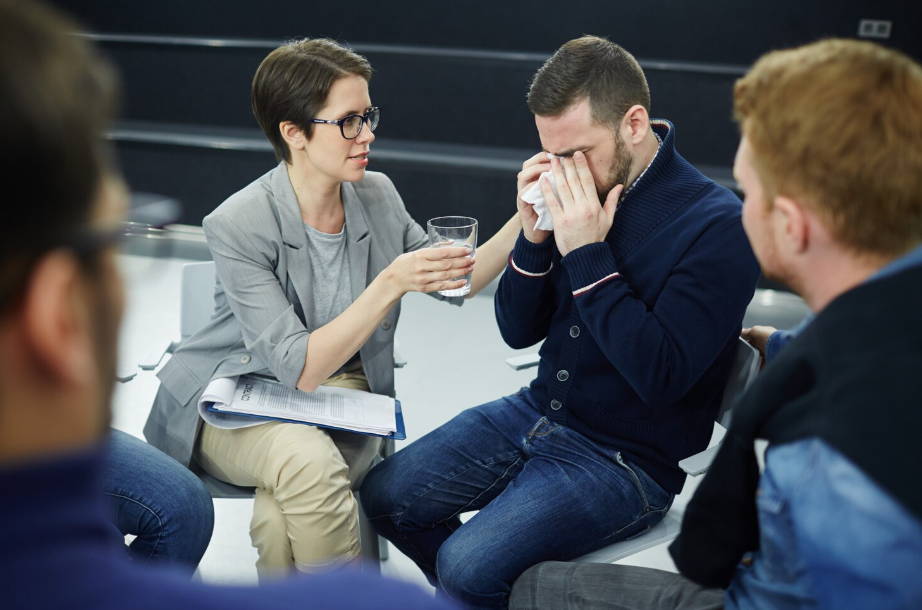
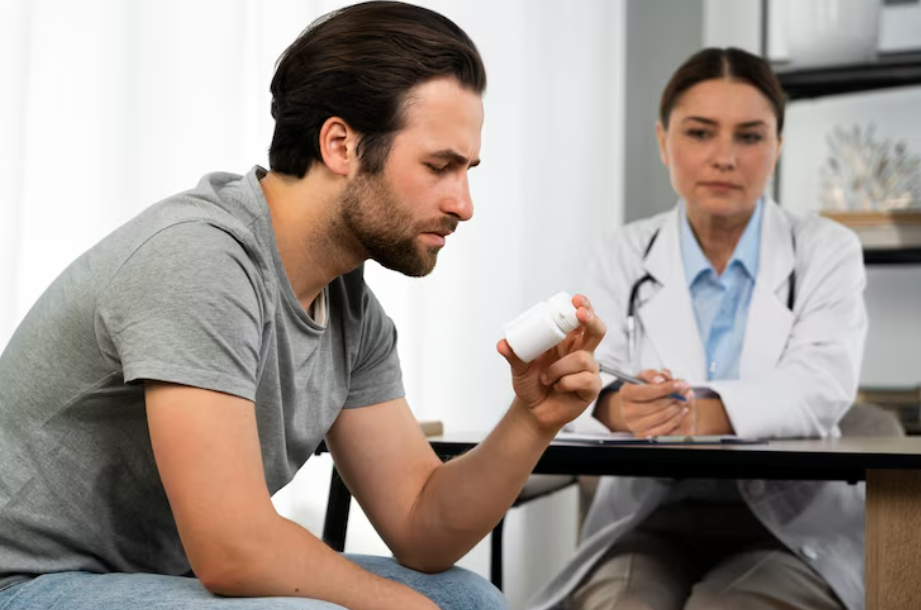
Individual therapy is where most of the personal work happens. A patient sits down one-on-one with a licensed counselor or therapist and starts unpacking what led them to this point, whether that is years of heavy drinking, a dependence on prescription painkillers, or a pattern of using substances to cope with something harder to name out loud.
This is not a single conversation. It happens repeatedly throughout a patient's stay, and each session builds on the last.
Our inpatient rehab physical therapy and clinical programs are built around that kind of continuity, because real progress needs a foundation, not just a starting point. Individual sessions give patients a place to be honest without an audience.
Someone might not be ready to talk about a traumatic event in a group, but they might bring it up one-on-one with a counselor they trust. That trust takes time, you know, and it does not grow when a new face shows up every few days.
That is part of why we keep the same clinical team with a patient from admission through discharge, rather than rotating staff in and out. It sounds like a small thing. It is not.

Group Therapy and Peer Support
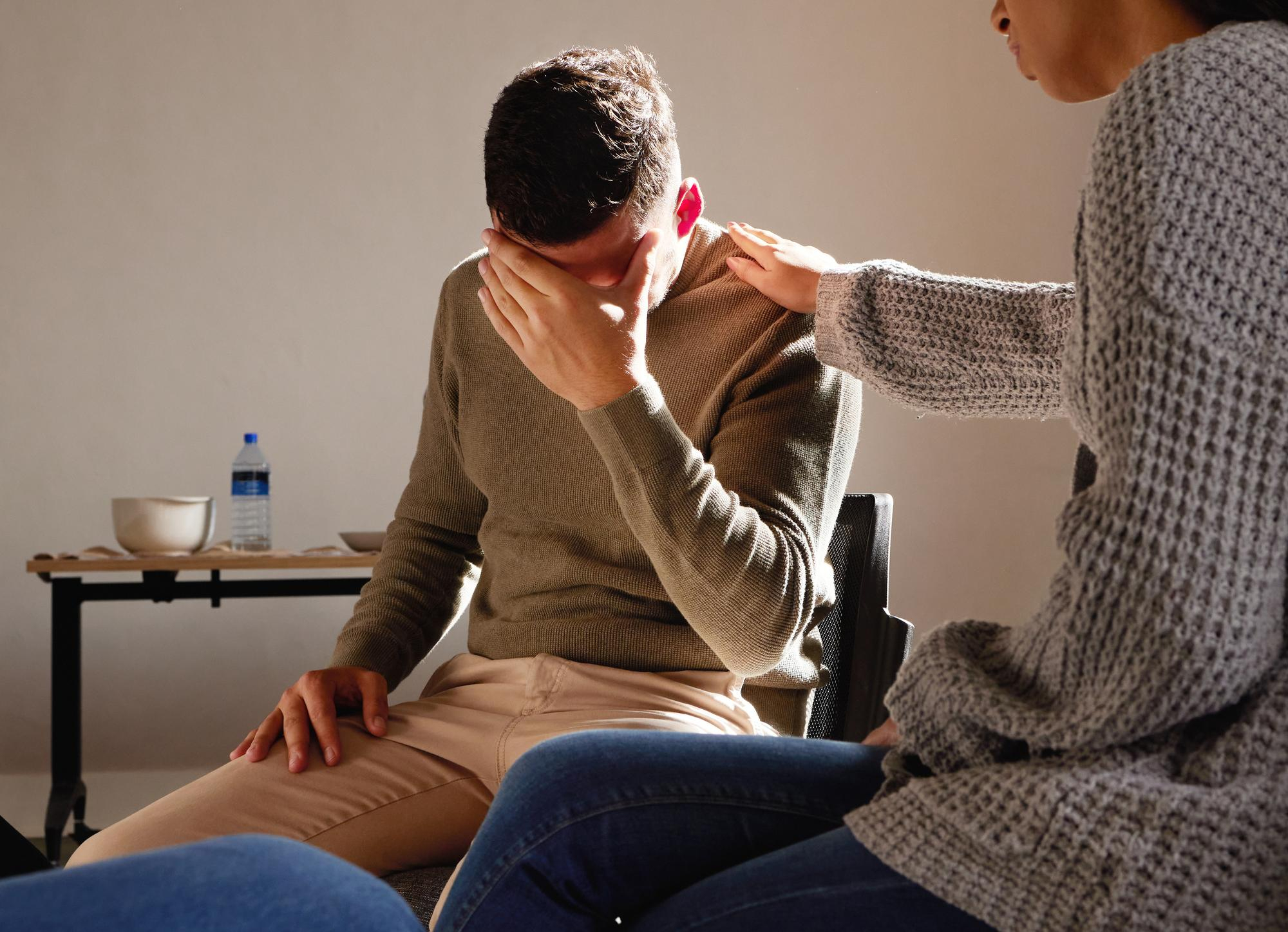
Group therapy runs alongside individual sessions, and it serves a different purpose. In a group setting, patients hear from others who are further along or struggling with something similar, and that recognition matters.
Addiction tends to isolate people. Group therapy chips away at that isolation by putting patients in a room with others who understand what they're describing without needing it explained.
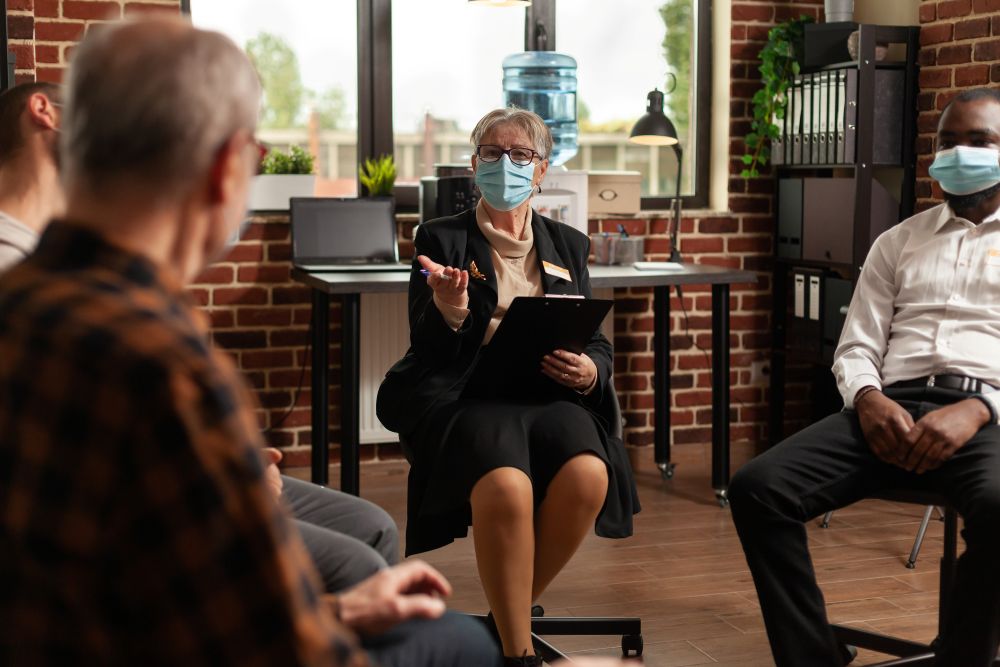
A counselor leads sessions, which usually focus on a specific theme, whether that's coping skills, triggers, or relapse prevention. We keep groups small enough that patients actually get heard rather than sitting quietly in the back.
A patient working through opioid dependence might sit in a group with someone recovering from alcohol use disorder, and the specifics differ, but the underlying work, learning to sit with discomfort instead of numbing it, looks a lot alike across substances.
Cognitive Behavioral Therapy (CBT)
Cognitive behavioral therapy (CBT) is one of the most widely used approaches in addiction treatment, and we rely on it heavily because it gives patients something concrete to work with.
CBT is built on a simple idea: a person's thoughts shape how they feel, and how they feel shapes what they do. If someone believes they can't handle stress without using, that belief drives behavior long after the initial reason for using has faded.
In practice, CBT sessions help patients:
- Identify the specific thoughts that show up right before a craving hits
- Replace those thoughts with something more accurate and less destructive
A patient who has spent years telling themselves they need a drink to get through a hard day starts to test that assumption, sometimes for the first time. This work is slow, and it's not glamorous, but it's one of the more evidence-backed tools we use, and it tends to stick with patients well past discharge.
Medication-Assisted Treatment Alongside Therapy
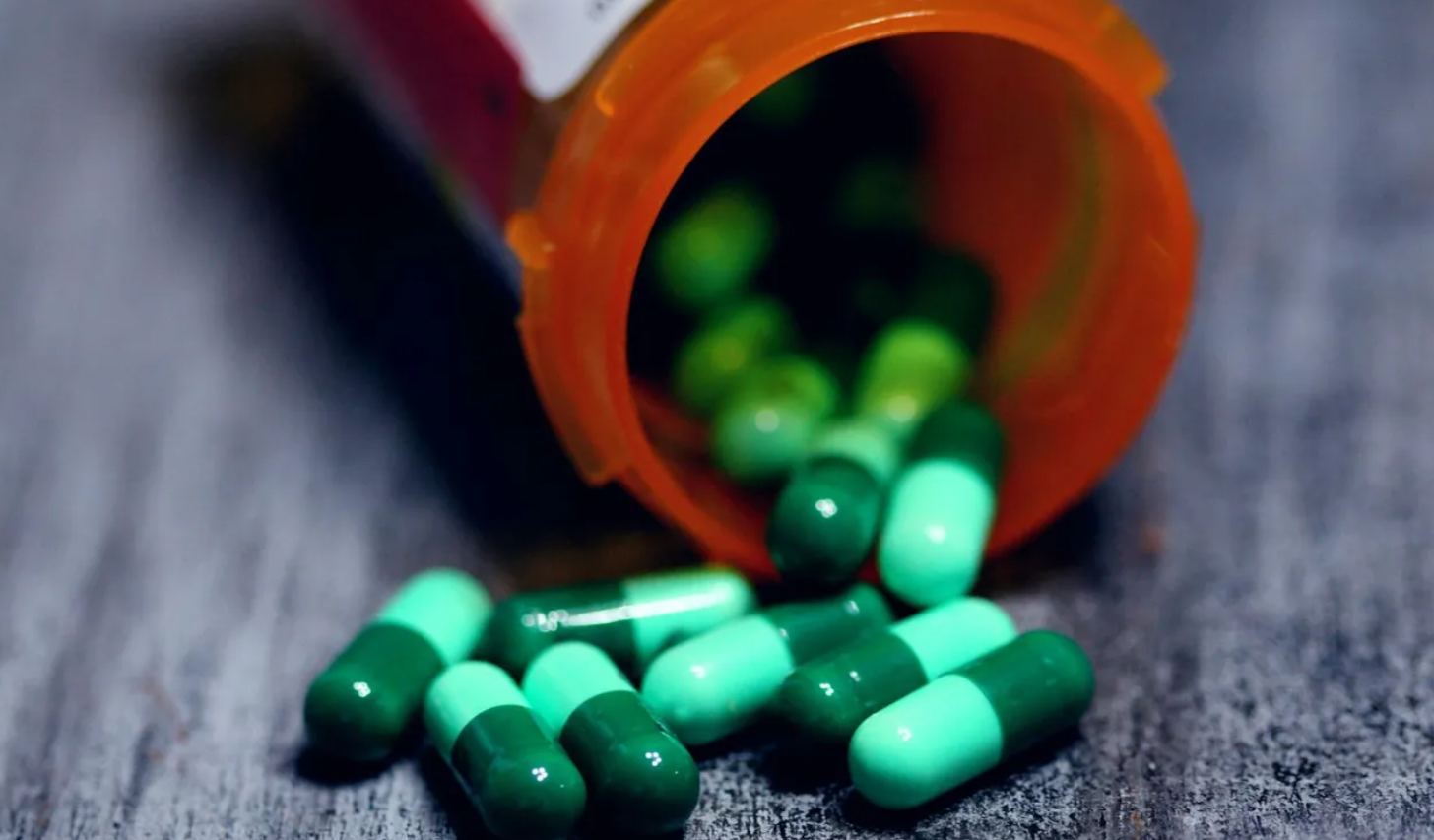
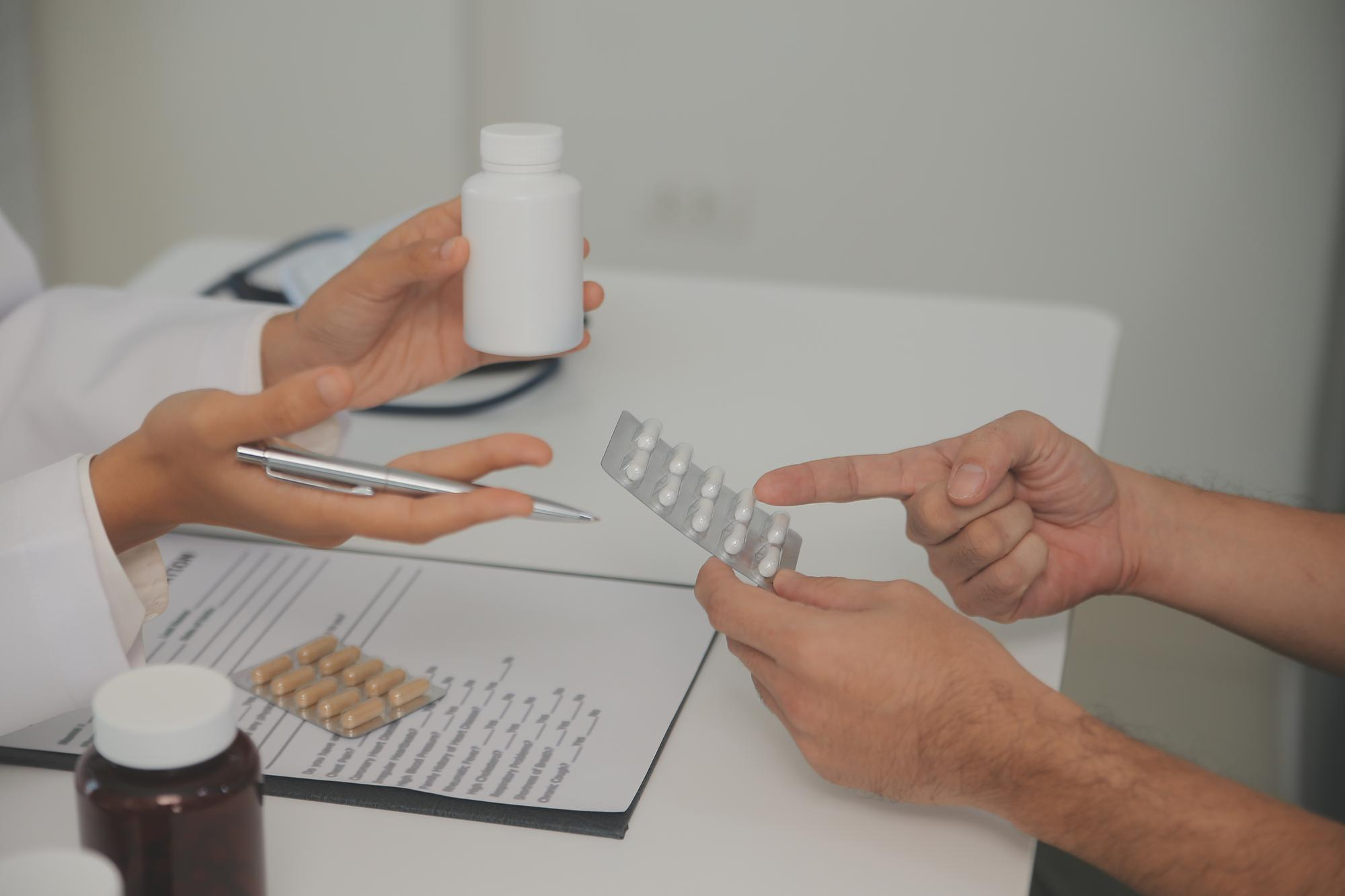
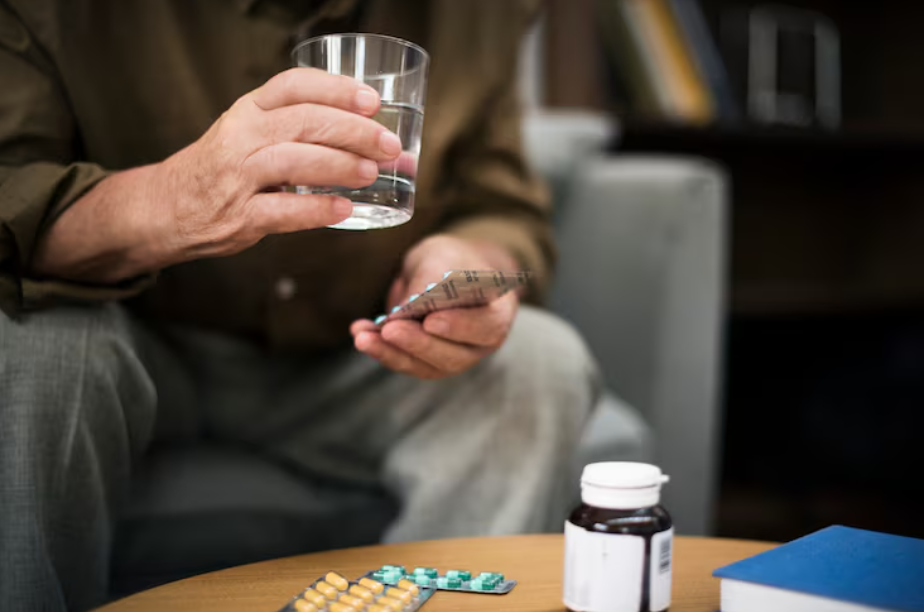
For many patients, particularly those working through opioid or alcohol dependence, therapy alone isn't enough to manage the physical side of cravings. That's where medication-assisted treatment (MAT) comes in. Medications like buprenorphine and naltrexone are used under physician supervision to:
- Reduce cravings
- Ease the discomfort that often triggers relapse
They pair with the therapy work described above rather than replace it.
We've seen patients come in skeptical of MAT, worried it's just trading one substance for another. It isn't. These medications are prescribed at doses that control cravings without producing the high associated with the original substance, and the goal is always to combine medication with counseling so the underlying behavioral patterns get addressed too.
A patient managing heroin dependence, for example, might start buprenorphine during detox and continue it through inpatient rehab while working through individual and group sessions at the same time.
Dual Diagnosis and Treating Co-Occurring Conditions
A lot of the patients we see are dealing with more than just substance use. Mental health conditions that frequently show up alongside addiction include:
- Depression
- Anxiety
- PTSD
Treating only one while ignoring the other rarely leads anywhere good. Our dual diagnosis approach means the same clinical team addresses both conditions at the same time, rather than sending a patient elsewhere for the mental health piece.
This matters because the two conditions often feed each other. A patient using alcohol to quiet down anxiety they've never had properly treated isn't going to stay sober just because the alcohol is gone if the anxiety is still sitting there unaddressed.
Our team includes licensed mental health counselors and psychiatric support to ensure this kind of overlapping care isn't overlooked.
Frequently Asked Questions
What is the difference between detox and inpatient rehabilitation?
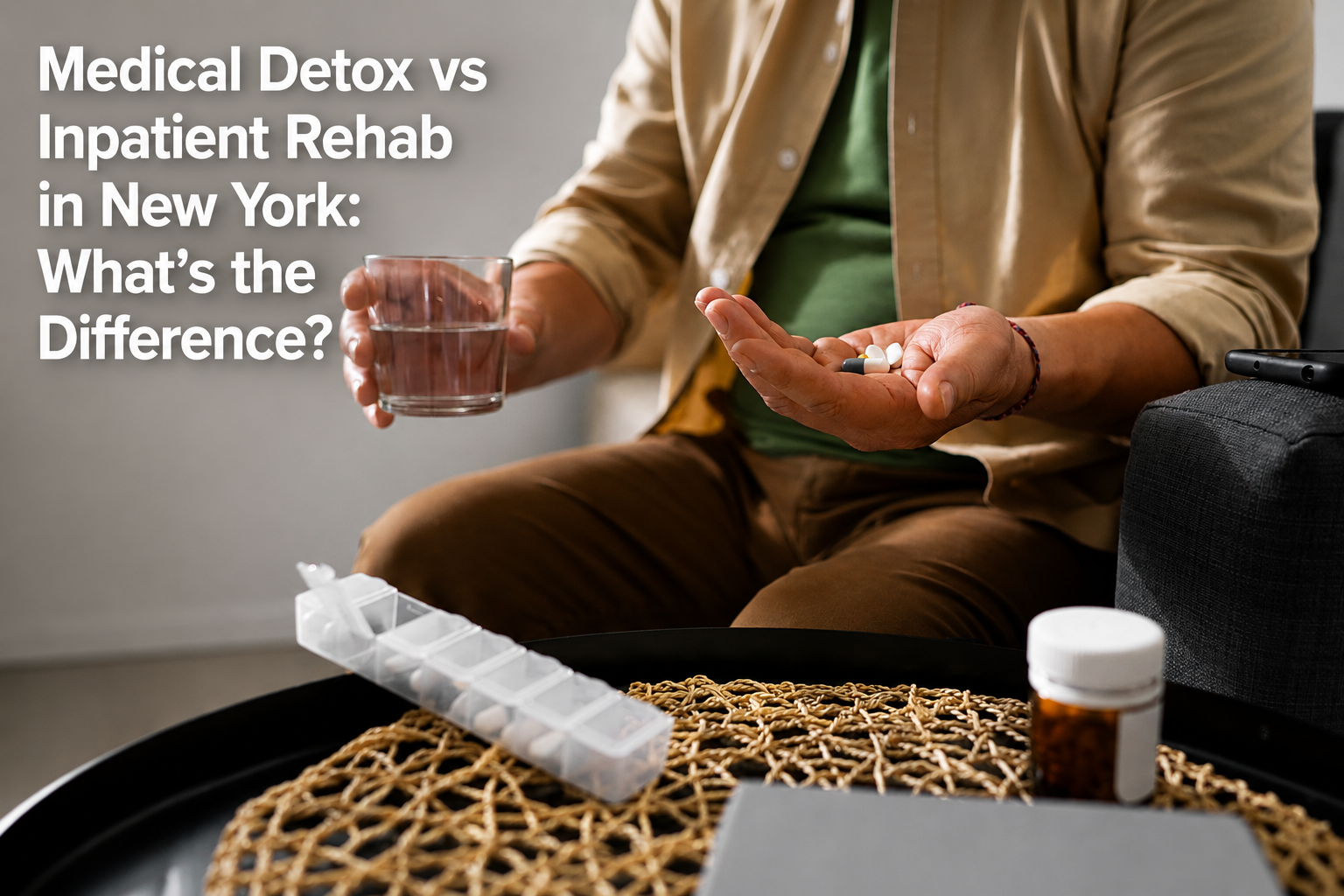
Detox clears the substance from the body under 24-hour medical supervision. It addresses physical withdrawal and typically lasts 5 to 6 days at our facility. Inpatient rehabilitation follows detox and focuses on the behavioral, emotional, and psychological side of addiction through individual and group therapy. These are separate stages of treatment, and at our facility they happen at the same location with no gap between them.
Does your facility treat co-occurring mental health conditions?
Yes. We use a dual diagnosis approach, meaning patients with both a substance use disorder and a mental health condition, such as depression, anxiety, PTSD, or bipolar disorder, receive treatment for both at the same time. Treating only one while leaving the other unaddressed is a common reason people relapse.
How long does each level of care take?
Medical detox typically lasts 5 to 6 days. Inpatient rehabilitation runs up to 28 days. Residential treatment timelines are longer and vary based on each patient's clinical needs and progress. Our treatment team determines the appropriate length for each individual.
Contact Us
At Elev8 Centers, we’re here to guide you or a loved one on the path to recovery. Our team is ready to answer questions, provide information, and help you get started.
Phone:
- Intake Phone: (646) 347-1891
- Facility Phone: (833) 353-8863
Email: info@elev8centers.com
Address: 151 W 136th St, New York, NY 10030
Business Hours: Sunday - Monday, Open 24 hours
Fill out our contact form, and a team member will respond promptly. We accept most insurance plans and are committed to making your treatment process smooth and supportive.
Related Topics:














%20(1).jpg)
.jpg)
.jpg)



.jpg)
.jpg)


.png)
.png)

















.png)
.png)
.png)
.png)
.png)
.png)
.png)
.png)
.png)
.png)