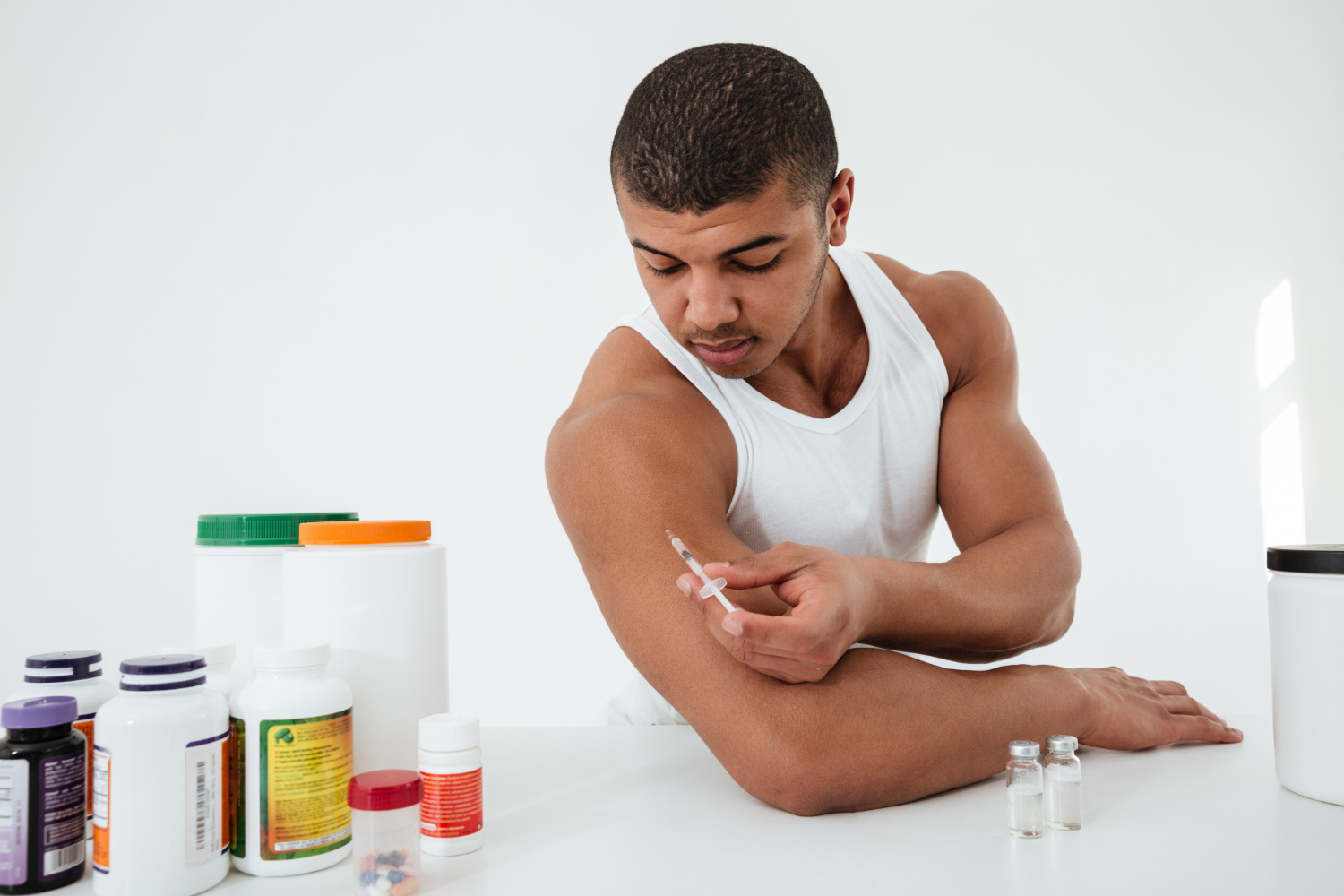
If you've spent any time reading about addiction treatment, you've probably come across the term "cognitive behavioral therapy," usually shortened to "CBT." It gets mentioned so often that it can start to feel like a buzzword. But it's actually one of the most carefully studied and widely used approaches in the field. Worth understanding, really.
We rely on it heavily here at Elev8 Centers, a top inpatient rehab center in NYC, and we think it's worth explaining plainly what it involves and why it works the way it does.
The Core Idea Behind CBT
CBT is built around a fairly simple premise. How a person thinks about a situation shapes how they feel, and how they feel shapes what they do next. For someone struggling with addiction, this chain often looks like a stressful moment triggering a specific thought, something like "I can't handle this without using," which then produces a craving strong enough to act on.
The goal of CBT isn't to eliminate stress or hard moments entirely, because that's not realistic for anyone. Instead, it focuses on identifying the automatic thoughts that show up in those moments and testing whether they're actually true.
A patient might believe they've never gotten through a challenging day without alcohol, so a counselor will often ask them to look for a counterexample: a time they did get through something difficult without using. That exercise alone can start to loosen a belief that's been driving behavior for years.
What a CBT Session Actually Looks Like
Sessions typically happen one-on-one with a licensed counselor, though CBT principles also show up in group therapy work. A session usually includes:
- A review of what's come up since the last meeting, particularly any moments where a craving hit and how the patient responded to it
- Working through the specific thought pattern behind that craving using structured exercises, such as:
- Writing down a triggering thought
- Identifying the emotion it produced
- Developing a more accurate or balanced way of thinking about the same situation
Over the course of several weeks, patients build a kind of mental toolkit they can pull from outside of session, which matters because cravings don't wait for a scheduled appointment.

Why CBT Is Considered Evidence-Based
CBT has decades of clinical research behind it, and it's recognized as an effective treatment not just for addiction but for anxiety, depression, and a range of other conditions. This matters because a lot of our patients are managing more than one of these at the same time.
Someone with an alcohol use disorder driven partly by untreated anxiety benefits from a therapy approach that can address both the substance use and the underlying anxious thought patterns using the same framework.
That overlap is part of why CBT fits so naturally into our dual diagnosis approach. CBT provides our counselors with a consistent framework that applies to both addiction and co-occurring mental health conditions, rather than requiring the use of one therapy model for addiction and a completely separate one for mental health, which tends to make the work feel more coherent for the patient.
How CBT Connects to the Rest of Treatment
CBT doesn't happen in isolation from everything else going on in treatment. If you're wondering what to expect in inpatient rehab, CBT is often one of the more active parts of the day, sitting alongside group therapy, medication-assisted treatment, and peer support in a way that all connects.
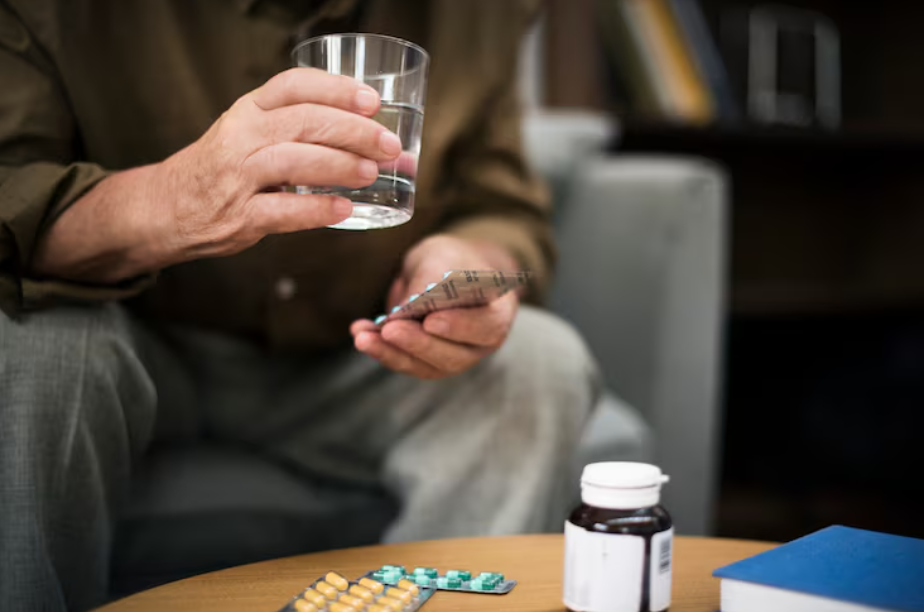
For patients on medication-assisted treatment, CBT sessions often focus on the behavioral side of cravings that the medication doesn't fully address on its own.
Patients benefit most from CBT when their counselor remains consistent throughout their stay, as much of the work relies on the counselor understanding the specific thought patterns and history of the person in front of them.
A new counselor starting from scratch every few sessions loses that thread, which is part of why keeping the same clinical team from admission through discharge just makes sense.
A Real Example of CBT in Practice
Take a patient managing methamphetamine dependence who came in believing they'd never be able to socialize without using, a belief built over years of using at social gatherings.
Through CBT, their counselor helped them identify this specific thought each time it surfaced, then worked with them to test it in lower-stakes situations, starting with structured group activities within the facility before addressing outside social settings later in the discharge plan.
By the time this patient reached the later stages of inpatient rehab, they had a much more accurate picture of their capability, built from direct evidence rather than an old assumption they'd never questioned. That's the concrete, testable progress CBT is designed to produce, and it's a big part of why we rely on it so heavily.
Frequently Asked Questions
What is the difference between detox and inpatient rehabilitation?
Detox clears the substance from the body under 24-hour medical supervision. It addresses physical withdrawal and typically lasts 5 to 6 days at our facility. Inpatient rehabilitation follows detox and focuses on the behavioral, emotional, and psychological side of addiction through individual and group therapy. Both are separate stages of treatment, but they occur at the same location with no gap between them.
Does your facility treat co-occurring mental health conditions?
Yes. We use a dual diagnosis approach, meaning patients with both a substance use disorder and a mental health condition, such as depression, anxiety, PTSD, or bipolar disorder, receive treatment for both at the same time. Treating only one while leaving the other unaddressed is a common reason people relapse.
What rehabilitation services do you offer?
We offer medical detox, inpatient rehabilitation, residential treatment, and medication-assisted treatment. Each service is available at the same facility, so patients move through levels of care without transferring to a new provider.
Related Topics:




















%20(1).jpg)
.jpg)

.jpg)



.jpg)
.jpg)


.png)
.png)





















.png)
.png)
.png)
.png)
.png)
.png)
.png)
.png)
.png)
.png)