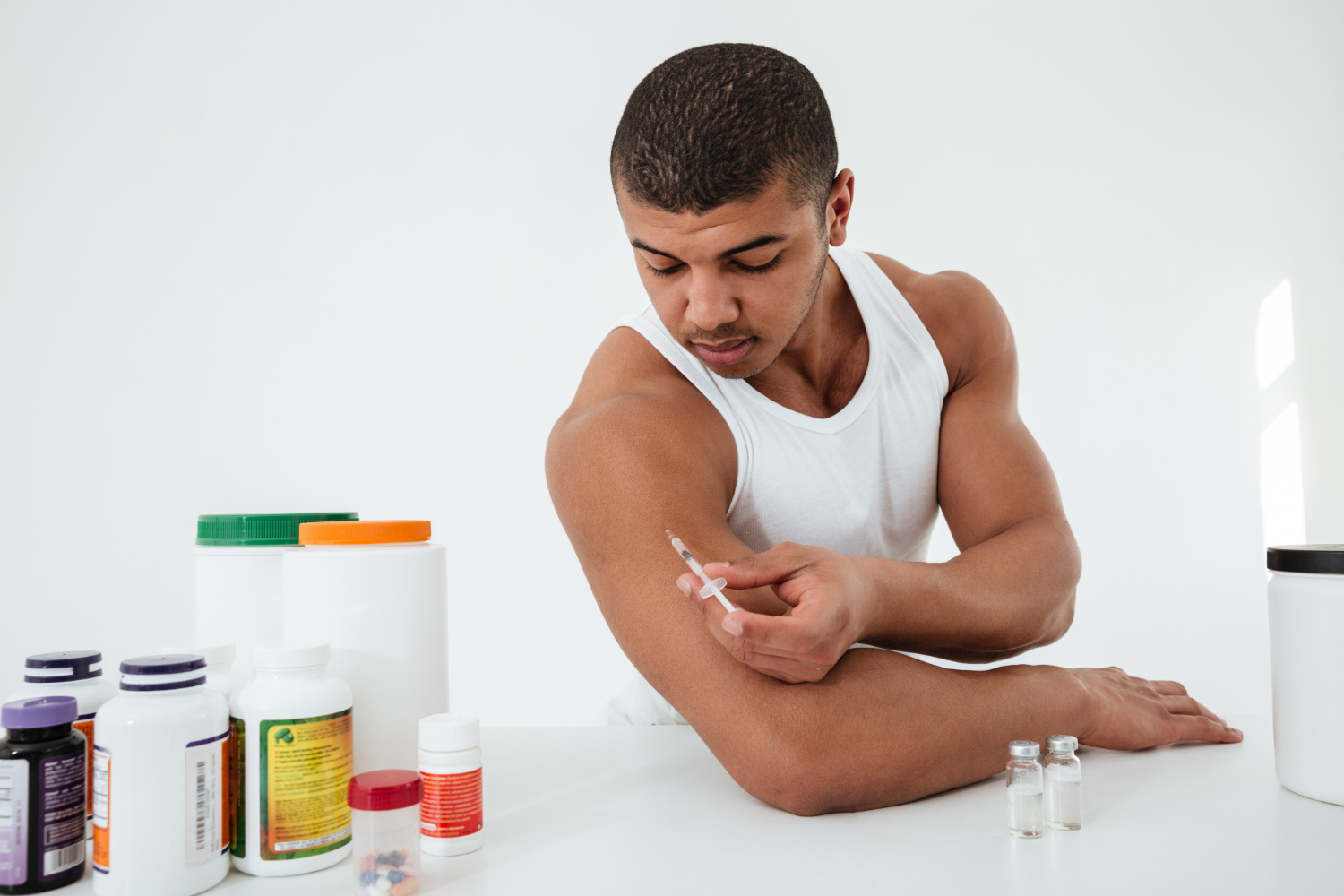
Evidence-Based vs Holistic Therapies in New York Rehab Centers: Which One Actually Works Best?

Published on

Anyone researching rehab options in New York eventually runs into this debate. Some centers lean heavily on clinical, evidence-based methods like cognitive behavioral therapy and medication-assisted treatment. Others build their programs around holistic approaches like yoga, meditation, and nutrition. Patients and families often ask us to pick a side.

The honest answer is that the strongest programs don't treat this as an either-or choice. A professional inpatient rehab team in NYC knows real recovery is too layered for one approach to cover everything. Here's how we think about it and how we actually structure care.

What "Evidence-Based" Actually Means

Evidence-based therapy refers to treatment methods that research has studied, tested, and shown to produce measurable outcomes. The following approaches fall into this category:

  • Cognitive behavioral therapy (CBT)
  • Motivational interviewing
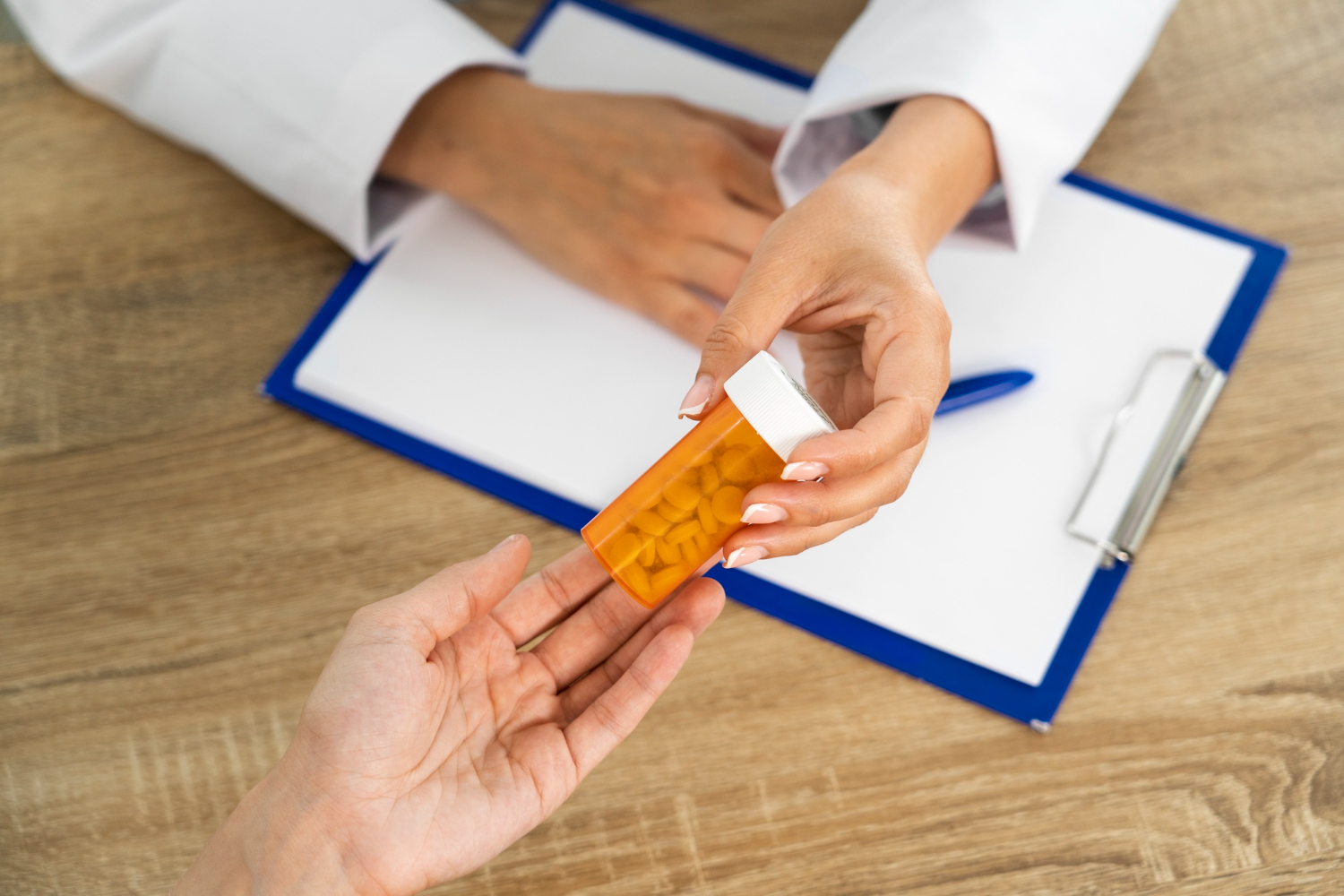
  • Medication-assisted treatment (MAT)

These approaches have decades of clinical research behind them, and organizations like the American Society of Addiction Medicine and SAMHSA use this evidence to set standards for what effective addiction treatment should look like.

The strength of evidence-based methods is consistency. A licensed therapist running a CBT session isn't improvising. They follow an approach refined and tested across many patients, so results are more predictable and easier to track over the course of treatment. 

For a patient with a diagnosable substance use disorder and often a co-occurring mental health condition, that predictability matters.

What Holistic Therapy Adds to the Picture

Holistic therapy takes a broader view of a person's recovery, addressing the body and mind together rather than focusing narrowly on substance use behaviors. This can include:

  • Recreational activities
  • Nutrition counseling
  • Exercise
  • Mindfulness practices

None of these replace clinical treatment, but they address real gaps that clinical therapy alone doesn't always fill.

Someone recovering from years of heavy substance use often has real physical damage to repair, alongside disrupted sleep, poor nutrition, and a body that's been under chronic stress. A nutritionist working with a patient during inpatient rehab isn't just improving how they feel physically. 

Better sleep and better nutrition make a patient more capable of showing up fully for the harder clinical work happening in individual and group therapy sessions.
Why We Don't Choose One Over the Other

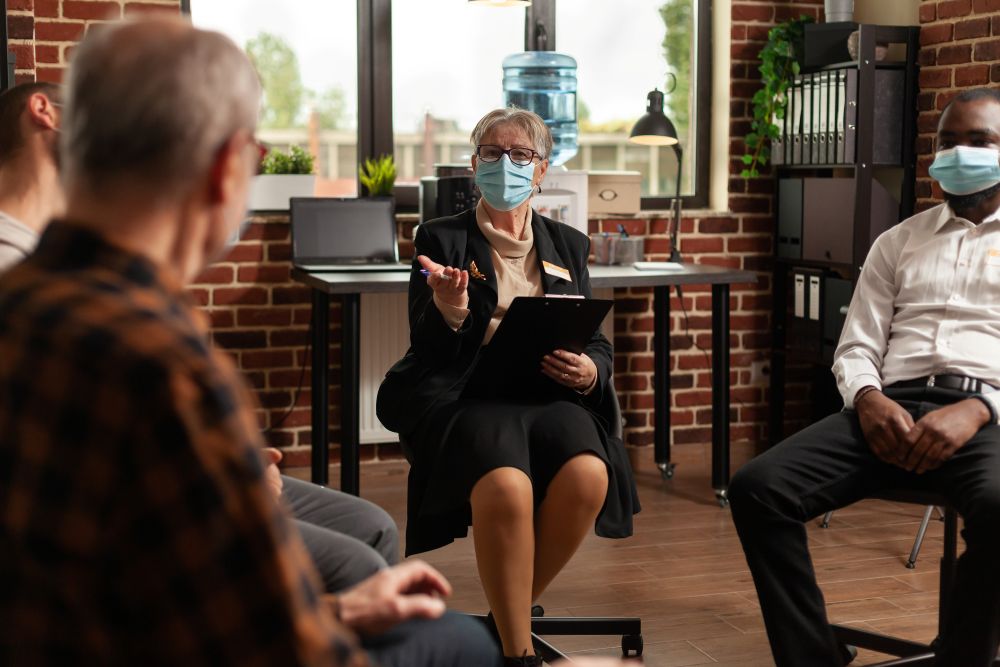
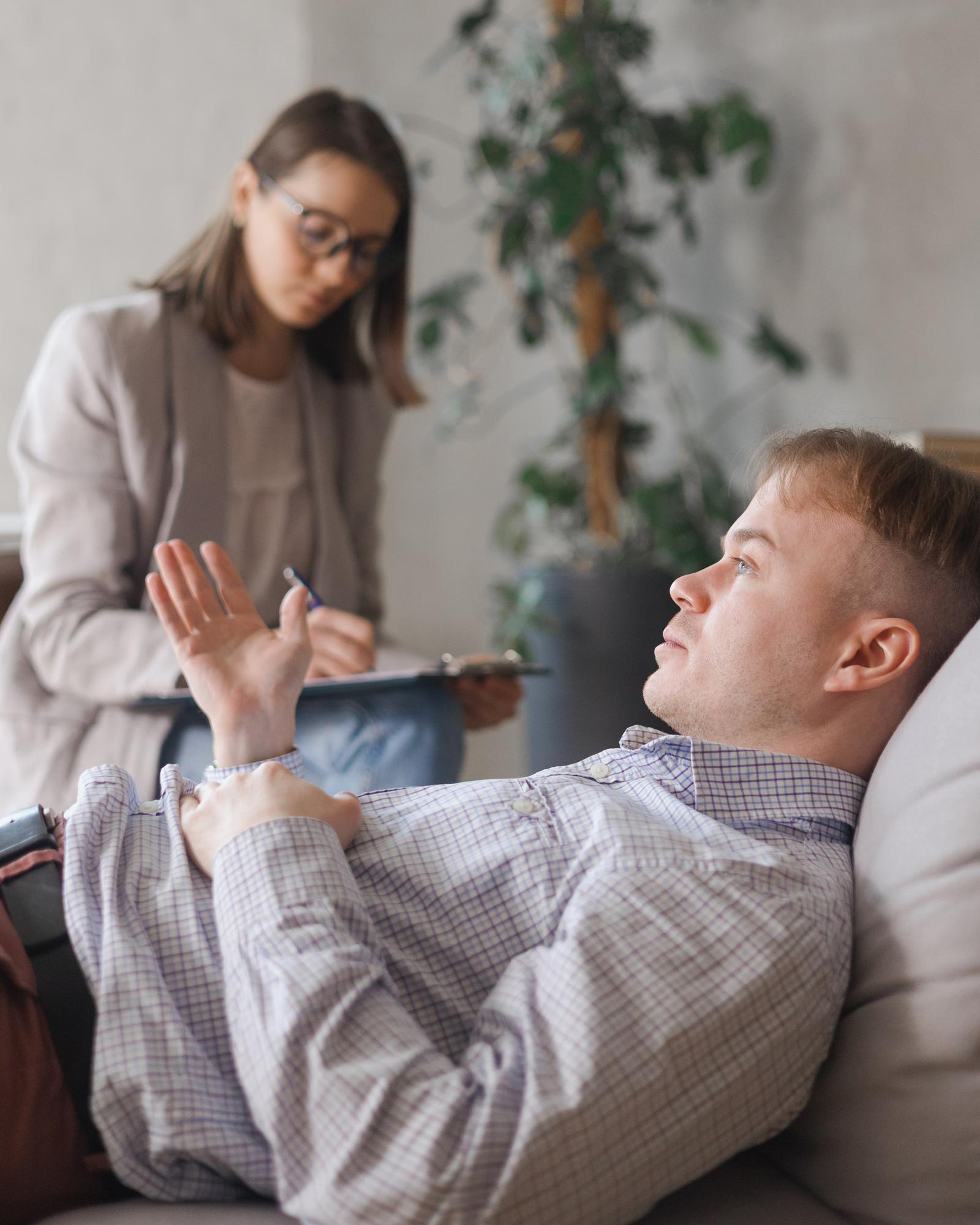
Our clinical team includes medical doctors, licensed mental health counselors, certified alcohol and substance abuse counselors, nutritionists, and certified recreational counselors, and that team structure isn't an accident. We built it this way because addiction recovery is rarely one-dimensional, and treating it as if it were tends to leave gaps.

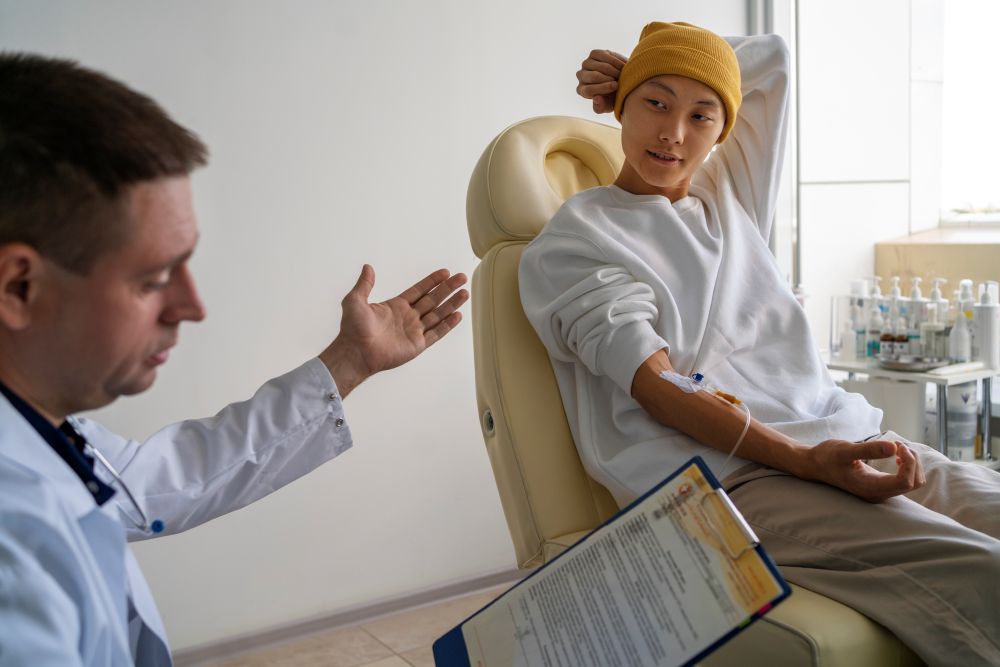
A patient going through opioid detox needs medication-assisted treatment and individual therapy grounded in evidence-based methods. 

That same patient also benefits from recreational programming that gives them something to look forward to during a challenging stretch of days and from nutritional support that helps their body recover from the physical toll of long-term use. We use both approaches at the same time, not as competing philosophies but as parts of one plan.

Where the Comparison Gets Misleading

Some rehab centers market themselves almost entirely around a holistic identity, emphasizing spa-like amenities or alternative wellness practices while giving less weight to the clinical side of care. 

Others go the opposite direction, running a strictly clinical model with little attention to the physical and lifestyle factors that affect long-term recovery. Both extremes tend to shortchange patients in different ways.

Anyone looking to help a recovering addict find the right program should ask direct questions about both sides of care:

  • What licensed therapies are used, and how are they staffed?
  • What holistic or supportive services are actually available, and are they run by qualified staff, or are they more of a marketing feature than a real part of the clinical plan?

A program that can answer both questions specifically is usually the stronger option.

What This Looks Like for an Actual Patient

Consider a patient coming in for alcohol dependence with an undiagnosed anxiety disorder underneath it.

The evidence-based backbone includes:

  1. Medically supervised detox
  2. Individual CBT sessions to work through the thought patterns tied to their anxiety and drinking
  3. Psychiatric evaluation to properly address the anxiety itself under our dual diagnosis approach

Alongside that, the same patient also receives:

  1. Group recreational activities
  2. Nutritional counseling to rebuild eating patterns disrupted by years of heavy drinking
  3. Access to structured downtime that isn't just idle time between therapy sessions

Neither half of this plan works as well without the other. The clinical work provides the foundation for recovery, and supportive care gives the patient the physical and emotional bandwidth to engage with it.

Frequently Asked Questions

What is the difference between detox and inpatient rehabilitation? 
Detox clears the substance from the body under 24-hour medical supervision. It addresses physical withdrawal and typically lasts 5 to 6 days at our facility. Inpatient rehabilitation follows detox and focuses on the behavioral, emotional, and psychological side of addiction through individual and group therapy. Both are separate stages of treatment, and at our facility, they happen at the same location with no gap between them.

Does your facility treat co-occurring mental health conditions? 
Yes. We use a dual diagnosis approach, meaning patients with both a substance use disorder and a mental health condition, such as depression, anxiety, PTSD, or bipolar disorder, receive treatment for both at the same time. Treating only one while leaving the other unaddressed is a common reason people relapse.

What happens if someone relapses after completing treatment? 
Relapse is a recognized part of recovery for many people and does not mean treatment failed. If a patient relapses after discharge, our team can reassess the situation and discuss next steps, which may include returning to inpatient care, stepping into residential treatment, or adjusting the approach to address what was missed.

Contact Us

At Elev8 Centers, we’re here to guide you or a loved one on the path to recovery. Our team is ready to answer questions, provide information, and help you get started.

Phone: 

  • Intake Phone: (646) 347-1891
  • Facility Phone: (833) 353-8863

Email: info@elev8centers.com
Address: 151 W 136th St, New York, NY 10030
Business Hours: Sunday - Monday, Open 24 hours

Fill out our contact form, and a team member will respond promptly. We accept most insurance plans and are committed to making your treatment process smooth and supportive.

Related Topics:
Posted on
August 26, 2026

Role of Family Therapy in Addiction Recovery Programs

Posted on
August 26, 2026

Trauma-Informed Care in New York Inpatient Rehab Centers

Posted on
August 26, 2026

When Group Therapy Is More Effective Than Individual Therapy in New York Rehab Programs

Posted on
August 26, 2026

Cognitive Behavioral Therapy (CBT) in New York Rehab Programs Explained

Posted on
August 26, 2026

How Does Medication-Assisted Treatment (MAT) Work in Inpatient Rehab?

Posted on
August 26, 2026

What Therapies Are Used in Inpatient Rehab in New York?

Posted on
August 6, 2026

Transitioning from Inpatient Rehab to Outpatient Care

Posted on
August 6, 2026

Employment Protection Laws for Rehab Patients in New York Explained

Posted on
August 6, 2026

Comparing IOP, PHP, and Inpatient Rehab in New York

Posted on
August 6, 2026

Clinical Criteria Doctors Use to Recommend Inpatient Rehab in New York

Posted on
August 6, 2026

What Level of Care Is Right for Your Addiction Severity in New York?

Posted on
August 6, 2026

How Misdiagnosis of Addiction Severity Affects Treatment Outcomes in New York Rehab

Posted on
August 6, 2026

When Outpatient Rehab Fails: When to Move to Inpatient

Posted on
June 23, 2026

Can You Be Forced Into Rehab in New York? Legal Options Explained

Posted on
June 15, 2026

Medical Detox vs Inpatient Rehab in New York: What's the Difference?

Posted on
June 15, 2026

Emergency Rehab Admissions in New York: What to Do

Posted on
June 15, 2026

Waitlists and Availability: How Fast Can You Enter Rehab in New York?

Posted on
June 23, 2026

What Are the Admission Requirements for Inpatient Rehab in New York?

Posted on
June 15, 2026

What Documents and Assessments Are Required for Rehab Admission?

Posted on
June 15, 2026

How to Get Someone Into Inpatient Rehab in New York

Posted on
May 21, 2026

Financial Assistance Programs for Rehab in New York

Posted on
August 7, 2026

Cost Differences Between Urban and Upstate Rehab Centers in New York

Posted on
August 7, 2026

State-Funded vs Private Inpatient Rehab Centers in New York

Posted on
May 21, 2026

Private Pay vs Insurance: Paying for Rehab in New York Explained

Posted on
August 26, 2026

Is Luxury Rehab Worth It in New York? Cost vs Value Breakdown

Posted on
August 3, 2026

In-Network vs Out-of-Network Rehab Coverage in New York Explained

Posted on
May 21, 2026

What Factors Influence the Cost of Inpatient Rehab in New York?

Posted on
April 30, 2026

What Determines the Length of Stay in New York Inpatient Rehab Programs?

Posted on
April 30, 2026

What Happens During the First 72 Hours in Inpatient Rehab in New York

Posted on
May 4, 2026

How Treatment Plans Are Adjusted During Inpatient Rehab in New York

Posted on
May 4, 2026

Inpatient vs Partial Hospitalization Programs (PHP) in New York: Key Differences

Posted on
May 4, 2026

What Types of Addiction Are Treated in New York Inpatient Rehab Centers?

Posted on
May 4, 2026

What Milestones Indicate Progress During Inpatient Rehab in New York

Posted on
August 26, 2026

Who Is a Good Candidate for Inpatient Rehab in New York?

Posted on
March 22, 2026

How to Determine If You Need Inpatient Rehab in New York

Posted on
March 22, 2026

How Inpatient Rehab Works in New York: What to Expect

Posted on
March 22, 2026

The Benefits of Choosing Inpatient Rehab Over Outpatient Care

Posted on
March 22, 2026

How to Choose the Right Inpatient Rehab Program in New York

Posted on
March 22, 2026

What Are the Signs You Need Inpatient Rehab in New York?

Posted on
August 7, 2026

Why Alcohol Detox Centers Are Essential for Overcoming Addiction

Posted on
February 15, 2026

What Is Alcohol Detox? Understanding the Process and Benefits

Posted on
August 7, 2026

Effective Detox for Teens: A Healthy Approach to Cleanse

Posted on
February 15, 2026

Best Medications for Alcohol Withdrawal Syndrome

Posted on
February 15, 2026

What Are the Best Methods for Alcohol Detox

Posted on
August 7, 2026

How Long Does a Drug Detox Last? A Timeline Explained

Posted on
January 19, 2026

How to Naturally Detox Your Body for a Drug Test

Posted on
January 19, 2026

How Long Does Drug Detox Take From Start to Stabilization

Posted on
January 19, 2026

How to Safely and Responsibly Drug Detox at Home

Posted on
January 19, 2026

What Is Drug Detox Like for Someone Entering Treatment for the First Time

Posted on
February 28, 2026

Top Advantages of Inpatient Drug Rehabilitation

Posted on
February 28, 2026

Acute Inpatient Drug Rehab: What You Need to Know

Posted on
February 28, 2026

Inpatient Drug Rehab Explained

Posted on
February 28, 2026

What Is an Inpatient Drug Rehabilitation Facility

Posted on
February 28, 2026

What Are the Essentials to Pack for Inpatient Drug Rehab?

Posted on
August 7, 2026

What You Should Know About Percocet

Posted on
February 28, 2026

What Enablers Do and How It Affects Addiction Patterns

Posted on
August 7, 2026

What is the Dope Drug and Why is It Used?

Posted on
February 28, 2026

How to Know If Your Weed is Laced

Posted on
February 28, 2026

What is a Dab and How Do Concentrates Compare?

Posted on
August 7, 2026

How to Slowly Detox From Alcohol: Natural Ways to Start

Posted on
October 23, 2025

Inpatient Alcohol Rehab Cost: What You Need to Know

Posted on
October 29, 2025

The Best Ways to Get Sober From Alcohol Without Rehab

Posted on
August 7, 2026

The True Cost of Alcohol Rehab Without Insurance Explained

Posted on
October 29, 2025

What is the Success Rate of Alcohol Rehab Programs?

Posted on
September 25, 2025

The Truth Behind How Long Muscle Relaxers Stay in Your System

Posted on
September 25, 2025

How Sprayed Weed Affects Your Body During Detox and Rehabilitation

Posted on
September 25, 2025

Understanding How Long Doxycycline Stays in Your System

Posted on
September 25, 2025

Does Ketamine Show Up on a 12 Panel Drug Test

Posted on
September 24, 2025

How Long Does It Take for Weed to Leave Your System?

Posted on
August 7, 2026

What to Expect in Outpatient Rehab: Common Challenges and How to Overcome Them

Posted on
August 7, 2026

What Is Outpatient Cardiac Rehab: Key Facts and Information

Posted on
August 7, 2026

How Effective Is Outpatient Rehab: Key Insights You Need to Know

Posted on
August 7, 2026

A Deep Dive Into How Outpatient Drug Rehab Works

Posted on
August 24, 2025

The Length of an Adderall Outpatient Rehab Program Explained

Posted on
July 20, 2025

Dopamine Detox Timeline: A Step-by-Step Guide to Reclaiming Focus

Posted on
July 21, 2025

Alcohol Recovery Steps: How to Achieve Sustainable Sobriety

Posted on
July 20, 2025

How Long Does Alcohol Stay in Urine: Facts and Myths Explained

Posted on
July 20, 2025

Can a Urine Drug Test Show How Much You Take: Factors That Matter

Posted on
July 20, 2025

What Do Muscle Relaxers Do: A Look at Their Side Effects and Benefits

Posted on
August 7, 2026

The True Cost of Drug Rehab Without Insurance: What to Expect

Posted on
August 7, 2026

Drug Rehab Success Rate: What You Need to Know Before Seeking Help

Posted on
June 22, 2025

Rapid Drug Detox: A Fast and Effective Solution for Addiction Recovery

Posted on
September 19, 2025

What Does Meth Smell Like and Why It's Hard to Ignore

Posted on
August 7, 2026

Drug Detox Timeline: Key Stages and What to Know

Posted on
August 7, 2026

How Long Is Inpatient Drug Rehab: Typical Durations Explained

Posted on
May 24, 2025

What Happens in Drug Rehab: From Admission to Aftercare

Posted on
May 24, 2025

How to Send Someone to Drug Rehab: Overcoming Common Challenges

Posted on
August 7, 2026

What Is Outpatient Drug Rehab: Types, Programs, and Effectiveness

Posted on
August 7, 2026

What Is Drug Rehab: A Clear Explanation of Treatment and Recovery

Posted on
August 7, 2026

How Rehab Helps Drug Addicts Overcome Addiction and Build a New Life

Posted on
August 7, 2026

When to Go to Rehab for Alcohol: Signs That You Need Professional Help

Posted on
August 7, 2026

How Effective Drug Rehab Can Be in Achieving Long-Term Sobriety

Posted on
August 7, 2026

How to Detox for a Drug Test: Effective Methods and Tips

Posted on
April 25, 2025

What Is Drug Detox and How It Supports Your Recovery Journey

Posted on
August 7, 2026

Does Sauna Help With Alcohol Detox

Posted on
August 7, 2026

7-Day Alcohol Detox

Posted on
August 7, 2026

What Is the Last and Most Crucial Step in the Treatment of Alcoholism

Posted on
August 7, 2026

Best Way to Detox From Alcohol

Posted on
August 7, 2026

Best Foods for Alcohol Detox

Posted on
August 7, 2026

Can You Detox From Alcohol at Home