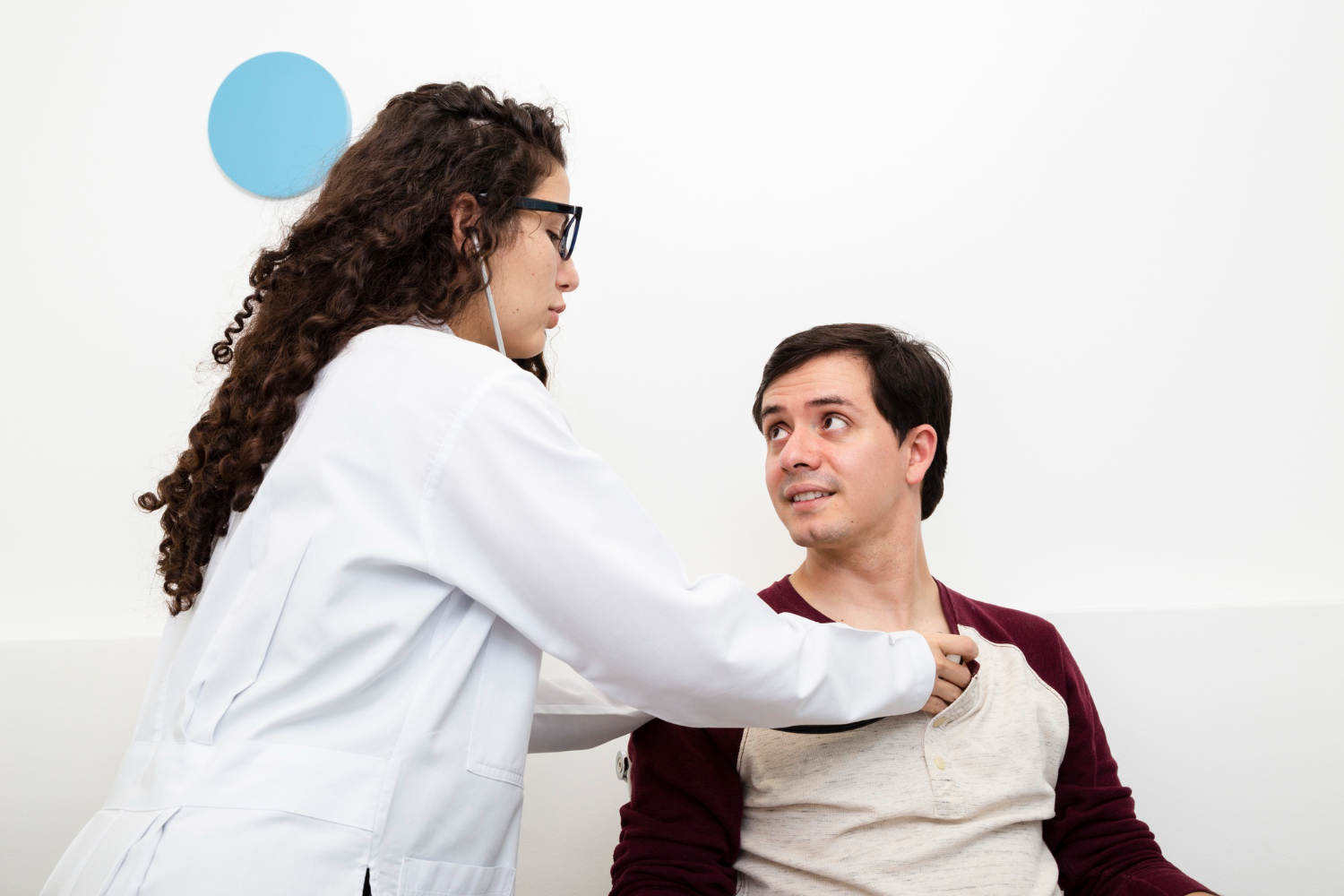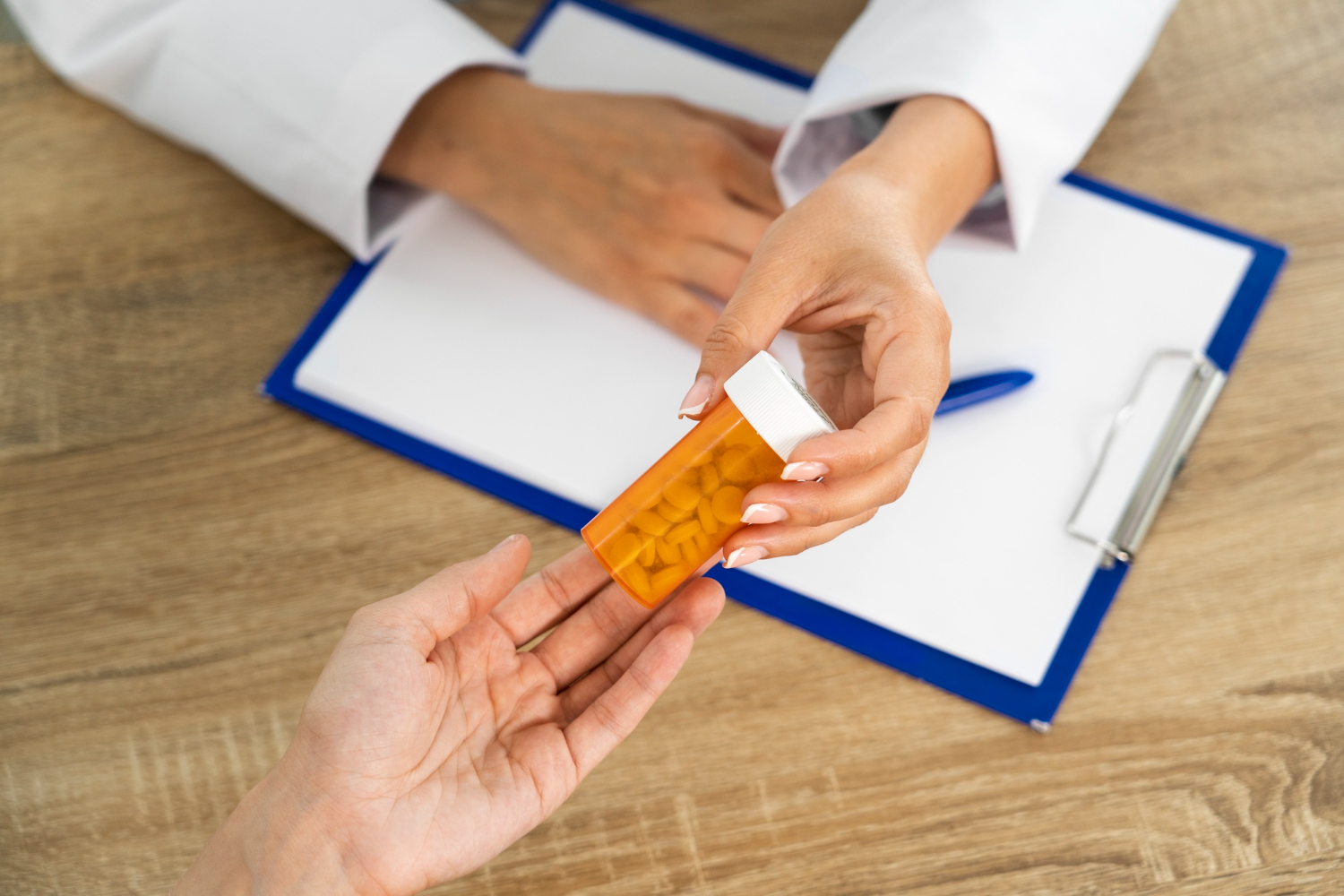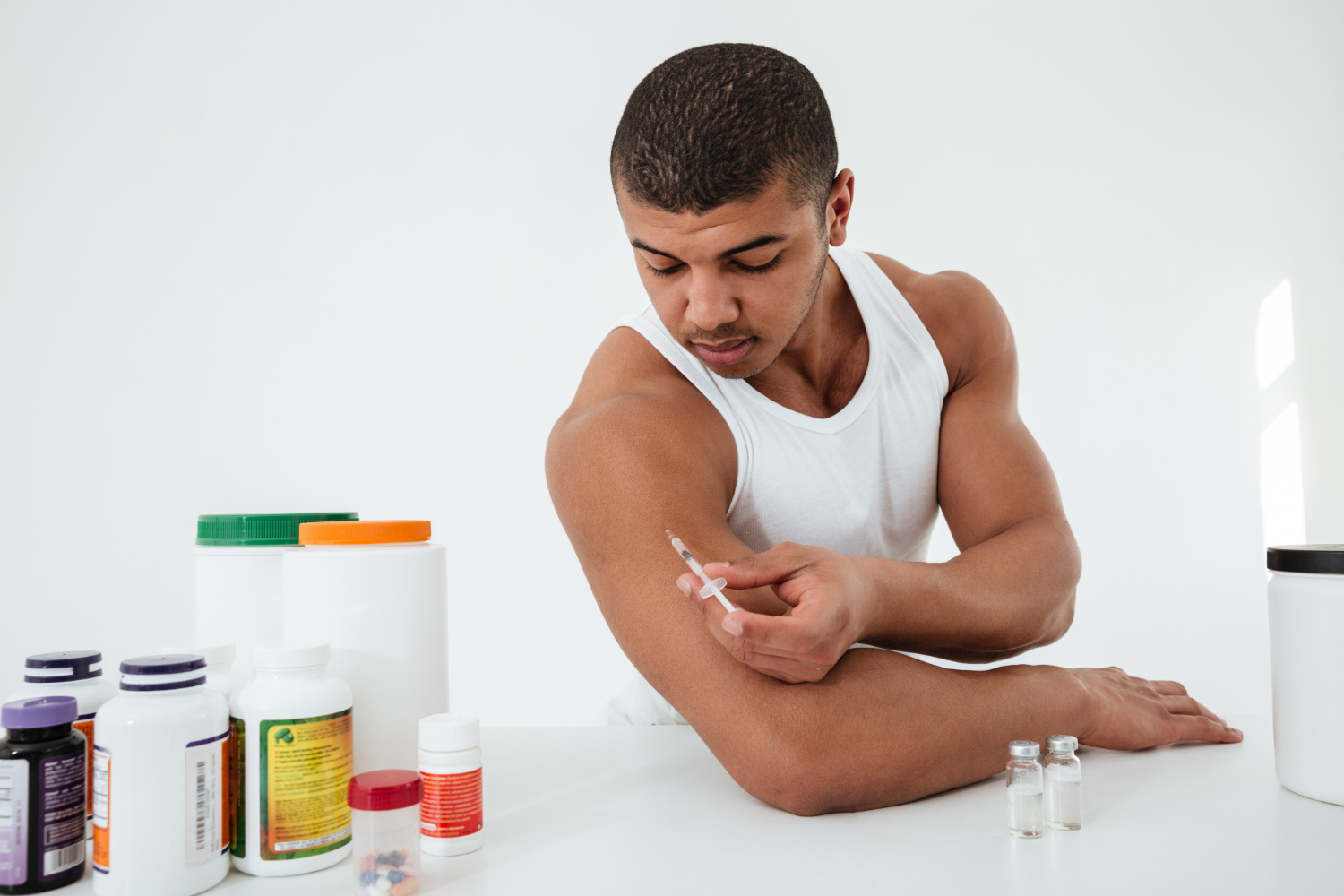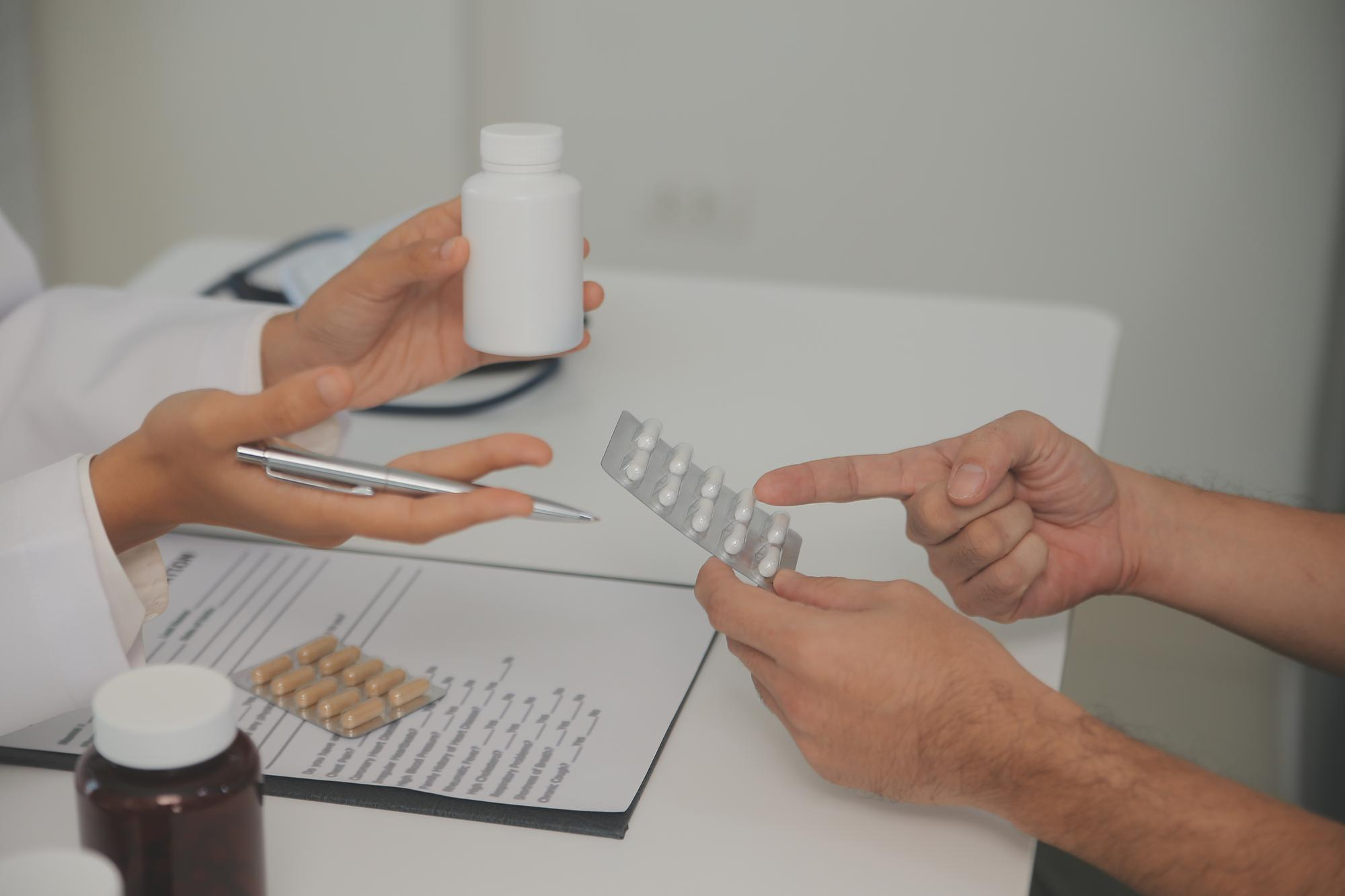
Medication-assisted treatment comes up in almost every conversation about opioid and alcohol dependence. And it also carries more misunderstanding than just about any other part of addiction care.
Patients and families ask us the same thing, just in different words: is this approach just replacing one drug with another? It is a fair question, you know, and it deserves a straight answer.
As a trusted inpatient rehab center, we at Elev8 Centers walk patients and their families through what MAT actually is, how it fits into the recovery process, and what to expect if a doctor recommends it.
What Medication-Assisted Treatment Actually Is
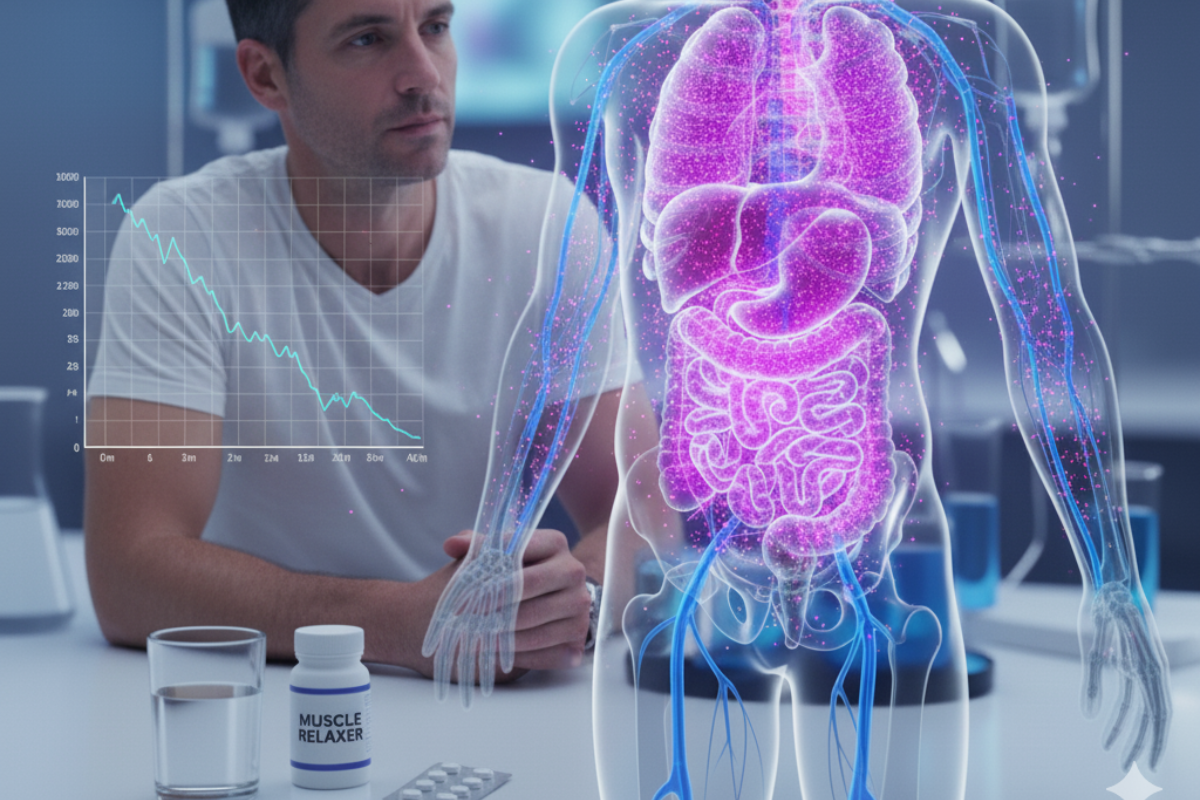
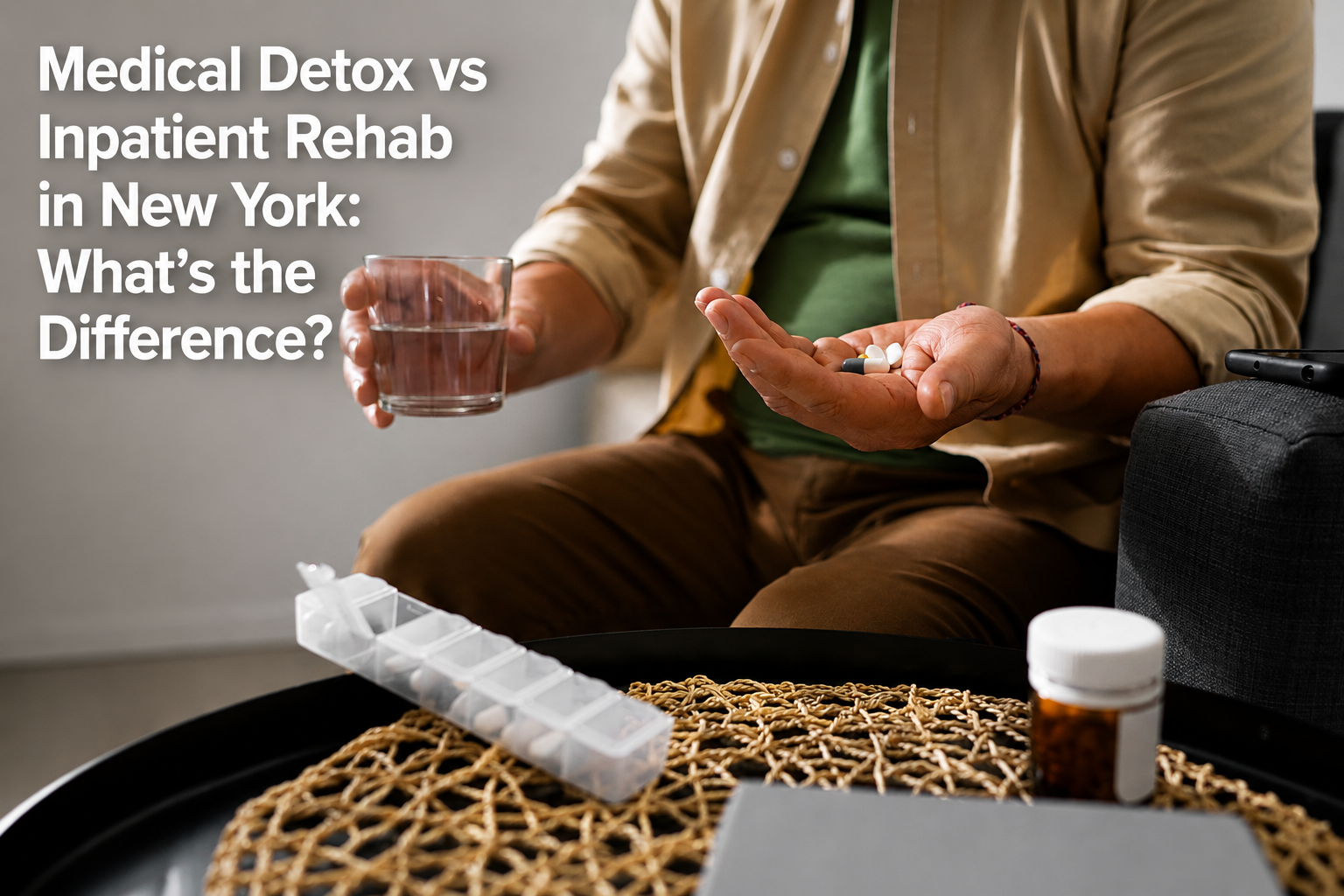
MAT combines FDA-approved medications with counseling and behavioral therapy to treat opioid and alcohol use disorders. The medications, most commonly buprenorphine, methadone, and naltrexone, work by:
- Reducing cravings
- Easing withdrawal symptoms
- Giving patients the physical stability needed to engage with the therapeutic side of treatment
It's worth being direct about what MAT is not:
- It's not a shortcut
- It's not a way to avoid the harder work of recovery
A patient on buprenorphine is still expected to:
- Attend individual and group therapy
- Work through the same behavioral patterns that led to substance use
- Leave with a discharge plan
The medication addresses the physical piece so the psychological piece has a fair shot at actually sticking.
Why MAT Is Considered a First-Line Treatment
Major health authorities, including SAMHSA and the American Society of Addiction Medicine, recognize MAT as a first-line treatment for opioid use disorder, and it's also used for alcohol use disorder. This isn't a fringe or experimental approach.
Studies consistently show that patients on MAT stay in treatment longer and face a lower risk of fatal overdose than patients who go through detox without any medication support. Alcohol detox medications are managed the same way, under physician supervision, to ease withdrawal safely rather than leaving a patient to manage symptoms alone.
That last point matters more than people realize. After a period of abstinence, a person's tolerance drops significantly, which means a relapse after detox carries a much higher risk of overdose than it did before treatment started. MAT reduces that risk by managing cravings during the highest-risk window, right when a patient is most vulnerable to using again.

How MAT Fits Into the Timeline of Treatment
MAT often starts during detox and continues through inpatient rehab, though the exact timing depends on the substance and the patient's medical history.
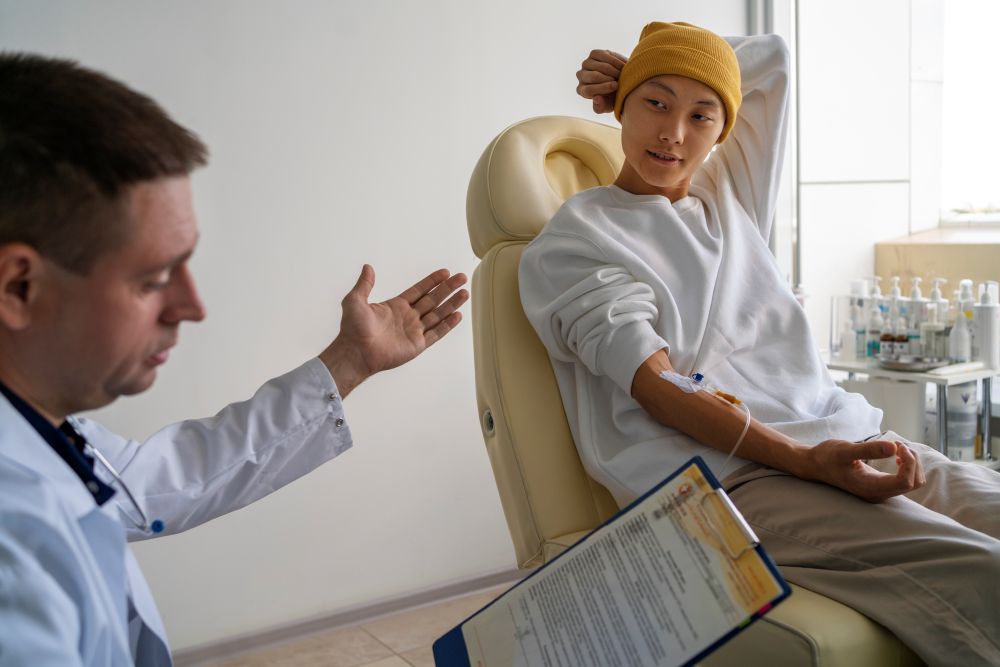
A patient coming in for opioid dependence might begin buprenorphine while still detoxing, then continue that same medication through the 28-day inpatient program while working through individual therapy, group sessions, and any dual diagnosis needs.
The medication is not a set-it-and-forget-it prescription. A physician manages and adjusts the dose based on how the patient responds, and this happens throughout the stay rather than as a one-time decision at intake.
We've seen patients need dose adjustments multiple times in the first two weeks alone, which is part of why physician oversight stays constant rather than checking in once and stepping back.
The Medications Used and What Each One Does
- Buprenorphine (often known by the brand name Suboxone) reduces cravings and withdrawal symptoms for opioid use disorder without producing the intense high associated with the original substance.
- Naltrexone works differently. It blocks the effects of opioids and alcohol entirely, so if a patient does use, they don't feel the reward that reinforces the habit.
- Methadone is another option for opioid use disorder, though it's dispensed under stricter clinical controls given its own dependence potential.
Choosing between these options isn't something a patient does alone. It comes down to a physician's assessment of:
- The substance involved
- The severity of dependence
- The patient's broader medical picture
What works well for one person managing alcohol dependence might not be the right fit for someone coming off years of opioid use, and that's exactly why this decision sits with the clinical team rather than being a standard, one-size answer.
Addressing the "Trading One Drug for Another" Concern Directly
This is the objection we hear most often, and it's worth answering plainly instead of brushing past it. MAT medications are prescribed at controlled, physician-managed doses specifically to avoid the euphoric effects that drive addictive use.
A patient on buprenorphine isn't chasing a high. They're managing a craving so they can function, hold a conversation in group therapy, and actually be present for the parts of treatment that address why the addiction started in the first place.
We also hear this concern from family members who worry that MAT means their loved one hasn't really "gotten clean." We'd push back gently on that framing. Recovery looks different for different people, and for many patients with opioid or alcohol dependence, MAT is what makes long-term recovery achievable rather than a repeated cycle of detox and relapse. If you're considering medication-assisted treatment in NYC for yourself or a loved one, our physicians can walk you through whether it fits your situation and which medication makes sense.
Frequently Asked Questions
What is medication-assisted treatment (MAT) and do you offer it?
MAT combines FDA-approved medications, such as buprenorphine or naltrexone, with therapy and counseling to treat opioid and alcohol use disorders. It reduces cravings, eases withdrawal, and improves the chances of staying in treatment. Yes, we offer MAT as part of our clinical model, administered under physician supervision.
Is MAT the same as substituting one drug for another?
No. This is a common misconception. MAT medications are FDA-approved, physician-managed, and used at doses that control cravings without producing the euphoric effects of the original substance. They are a clinical treatment, not a replacement addiction. Major health bodies, including SAMHSA and ASAM, support MAT as an effective, evidence-based treatment.
What substances do you treat?
We treat addiction to alcohol, heroin, opioids, oxycontin, cocaine, methamphetamine, prescription drugs, and polysubstance use. Each patient receives an individualized treatment plan based on what substances are involved and the severity of dependence.
Contact Us
At Elev8 Centers, we’re here to guide you or a loved one on the path to recovery. Our team is ready to answer questions, provide information, and help you get started.
Phone:
- Intake Phone: (646) 347-1891
- Facility Phone: (833) 353-8863
Email: info@elev8centers.com
Address: 151 W 136th St, New York, NY 10030
Business Hours: Sunday - Monday, Open 24 hours
Fill out our contact form, and a team member will respond promptly. We accept most insurance plans and are committed to making your treatment process smooth and supportive.
Related Topics:
















%20(1).jpg)
.jpg)
.jpg)



.jpg)
.jpg)

.png)
.png)


















.png)
.png)
.png)
.png)
.png)
.png)
.png)
.png)
.png)
.png)