When Group Therapy Is More Effective Than Individual Therapy in New York Rehab Programs

Published on

Patients and families often ask which type of therapy matters more during inpatient rehab, individual sessions or group work. It's a fair question. But the honest answer isn't as clean as just picking one and going with it. Both play distinct roles, and there are specific moments in recovery where group therapy does something individual sessions simply can't.

Our experienced inpatient rehab team has seen firsthand how the structure of therapy can shape outcomes as much as the content itself. You know, it's not always about what is being talked about. Sometimes it's about who's in the room when it happens. That's what we want to walk through here.

Why Isolation Is Such a Common Thread in Addiction

Addiction tends to isolate people long before treatment ever starts. By the time a patient arrives at our facility, that isolation is often as much a part of the problem as the substance itself. Common patterns include:

  • Someone managing a drinking problem quietly pulling away from friends who'd notice the pattern
  • A person dependent on opioids spending months hiding the extent of their use from family

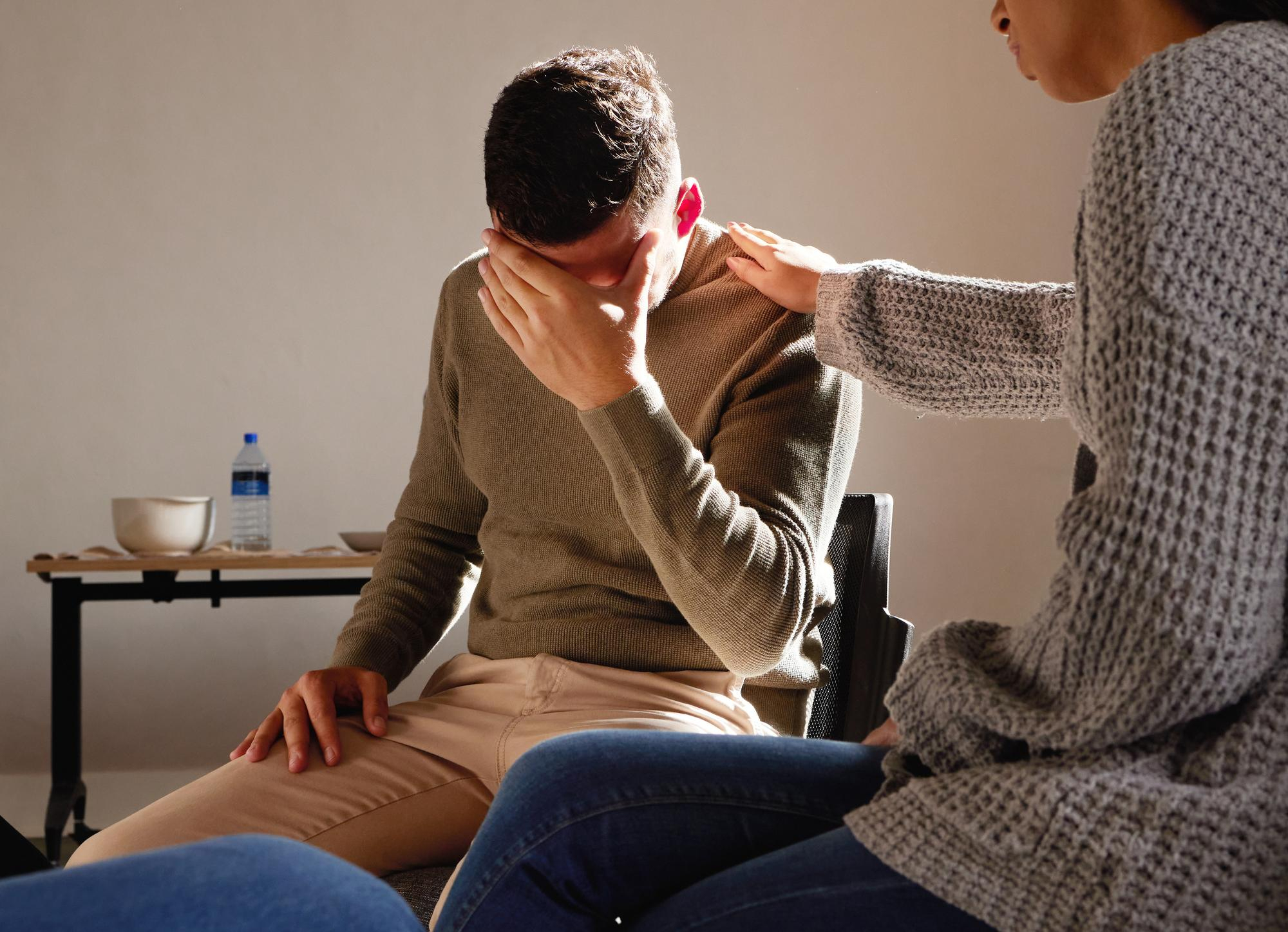
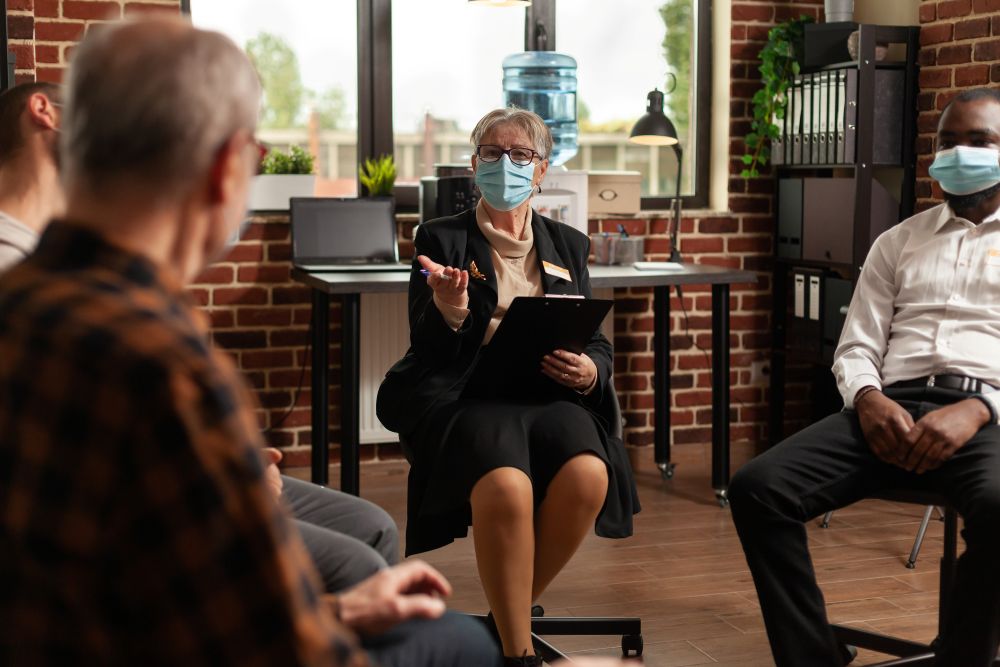
Individual therapy is valuable for many reasons, but it can't fully address isolation because it's still just one person talking to one counselor. Group therapy puts a patient in a room with others working through something recognizable, and for many patients, that's the first time in a long while they've felt understood without having to explain everything from scratch.

Where Group Therapy Tends to Outperform Individual Sessions

Group therapy tends to work especially well for building accountability and normalizing the discomfort of early recovery. 

When a patient hears someone else describe a craving they're currently fighting, it becomes harder to minimize their struggle or pretend it's unique to them. That shared recognition often does more to break down denial than a counselor pointing out the same pattern one-on-one.

It also tends to work better for practicing real interpersonal skills. A patient can talk about wanting to set boundaries with family members in an individual session, but group therapy gives them a room full of people to practice that kind of honest, sometimes uncomfortable communication in real time. 

That practice matters more than it might sound, because a lot of relapse triggers involve exactly this kind of interpersonal friction after discharge.

Where Individual Therapy Still Has to Lead

None of these factors means that individual therapy is less important. Some things simply don't surface in a group setting, particularly early on. A patient working through a traumatic experience tied to their substance use often needs the privacy of an individual session before they're ready to bring any part of that story into a group. 

Individual therapy is also where a counselor tracks the full arc of a patient's history and adjusts the treatment plan accordingly, which requires a depth that group sessions aren't structured to provide.

We think of individual therapy as where the personal groundwork gets laid, and group therapy as where that groundwork gets tested through real interaction with other people. Neither one substitutes for the other, and a program that leans too heavily on one at the expense of the other tends to leave gaps in a patient's care.

How We Structure Both at Our Facility

Every patient at our facility:

  • Works with an individual counselor consistently throughout their stay
  • Participates in group sessions led by our licensed and certified staff
  • Engages in sessions organized around specific themes, including:
    • Relapse prevention
    • Coping skills
    • Processing early recovery emotions

Groups are kept small enough that patients have space to speak, rather than sitting through a session without ever really being heard.

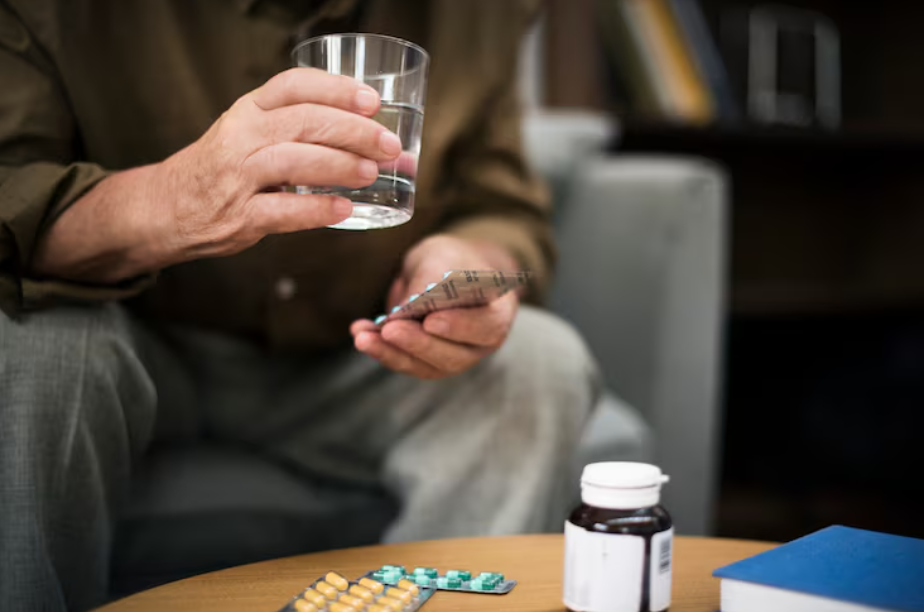
This is part of why inpatient drug rehab works so well for people who have been carrying isolation for a long time. Patients working through medication-assisted treatment or managing a co-occurring mental health condition under our dual diagnosis model still participate in both individual and group therapy. 

The medication and psychiatric care address the clinical piece, but the interpersonal work happening in group sessions addresses something medication alone never will, which is that pattern of disconnection that so often follows addiction around.

A Scenario Where Group Therapy Made the Difference

Consider a patient who came in for alcohol dependence and spent the first several individual sessions insisting their drinking wasn't really a problem, just a bad habit that had gotten out of control. That framing didn't shift much in individual therapy alone. 

In a group session, listening to another patient describe an almost identical pattern of minimizing their use, this patient started to recognize the same defense mechanism in themselves.

That moment didn't replace the individual work still ahead of them, but it opened a door that one-on-one conversation hadn't managed to open on its own. This scenario often shows how the two types of therapy work together in practice, each doing what the other can't quite reach alone.

Frequently Asked Questions

What rehabilitation services do you offer? 
We offer medical detox, inpatient rehabilitation, residential treatment, and medication-assisted treatment. Each service is available at the same facility, so patients move through levels of care without transferring to a new provider.

What is the difference between detox and inpatient rehabilitation? 
Detox clears the substance from the body under 24-hour medical supervision. It addresses physical withdrawal and typically lasts 5 to 6 days at our facility. Inpatient rehabilitation follows detox and focuses on the behavioral, emotional, and psychological side of addiction through individual and group therapy. Both are separate stages of treatment, but they occur at the same location with no gap between them.

Does your facility treat co-occurring mental health conditions? 
Yes. We use a dual diagnosis approach, meaning patients with both a substance use disorder and a mental health condition, such as depression, anxiety, PTSD, or bipolar disorder, receive treatment for both at the same time. Treating only one while leaving the other unaddressed is a common reason people relapse.

Related Topics:

Posted on
August 26, 2026

Role of Family Therapy in Addiction Recovery Programs

Posted on
August 26, 2026

Trauma-Informed Care in New York Inpatient Rehab Centers

Posted on
August 26, 2026

Cognitive Behavioral Therapy (CBT) in New York Rehab Programs Explained

Posted on
August 26, 2026

Evidence-Based vs Holistic Therapies in New York Rehab Centers: Which One Actually Works Best?

Posted on
August 26, 2026

How Does Medication-Assisted Treatment (MAT) Work in Inpatient Rehab?

Posted on
August 26, 2026

What Therapies Are Used in Inpatient Rehab in New York?

Posted on
August 6, 2026

Transitioning from Inpatient Rehab to Outpatient Care

Posted on
August 6, 2026

Employment Protection Laws for Rehab Patients in New York Explained

Posted on
August 6, 2026

Comparing IOP, PHP, and Inpatient Rehab in New York

Posted on
August 6, 2026

Clinical Criteria Doctors Use to Recommend Inpatient Rehab in New York

Posted on
August 6, 2026

What Level of Care Is Right for Your Addiction Severity in New York?

Posted on
August 6, 2026

How Misdiagnosis of Addiction Severity Affects Treatment Outcomes in New York Rehab

Posted on
August 6, 2026

When Outpatient Rehab Fails: When to Move to Inpatient

Posted on
June 23, 2026

Can You Be Forced Into Rehab in New York? Legal Options Explained

Posted on
June 15, 2026

Medical Detox vs Inpatient Rehab in New York: What's the Difference?

Posted on
June 15, 2026

Emergency Rehab Admissions in New York: What to Do

Posted on
June 15, 2026

Waitlists and Availability: How Fast Can You Enter Rehab in New York?

Posted on
June 23, 2026

What Are the Admission Requirements for Inpatient Rehab in New York?

Posted on
June 15, 2026

What Documents and Assessments Are Required for Rehab Admission?

Posted on
June 15, 2026

How to Get Someone Into Inpatient Rehab in New York

Posted on
May 21, 2026

Financial Assistance Programs for Rehab in New York

Posted on
August 7, 2026

Cost Differences Between Urban and Upstate Rehab Centers in New York

Posted on
August 7, 2026

State-Funded vs Private Inpatient Rehab Centers in New York

Posted on
May 21, 2026

Private Pay vs Insurance: Paying for Rehab in New York Explained

Posted on
August 26, 2026

Is Luxury Rehab Worth It in New York? Cost vs Value Breakdown

Posted on
August 3, 2026

In-Network vs Out-of-Network Rehab Coverage in New York Explained

Posted on
May 21, 2026

What Factors Influence the Cost of Inpatient Rehab in New York?

Posted on
April 30, 2026

What Determines the Length of Stay in New York Inpatient Rehab Programs?

Posted on
April 30, 2026

What Happens During the First 72 Hours in Inpatient Rehab in New York

Posted on
May 4, 2026

How Treatment Plans Are Adjusted During Inpatient Rehab in New York

Posted on
May 4, 2026

Inpatient vs Partial Hospitalization Programs (PHP) in New York: Key Differences

Posted on
May 4, 2026

What Types of Addiction Are Treated in New York Inpatient Rehab Centers?

Posted on
May 4, 2026

What Milestones Indicate Progress During Inpatient Rehab in New York

Posted on
August 26, 2026

Who Is a Good Candidate for Inpatient Rehab in New York?

Posted on
March 22, 2026

How to Determine If You Need Inpatient Rehab in New York

Posted on
March 22, 2026

How Inpatient Rehab Works in New York: What to Expect

Posted on
March 22, 2026

The Benefits of Choosing Inpatient Rehab Over Outpatient Care

Posted on
March 22, 2026

How to Choose the Right Inpatient Rehab Program in New York

Posted on
March 22, 2026

What Are the Signs You Need Inpatient Rehab in New York?

Posted on
August 7, 2026

Why Alcohol Detox Centers Are Essential for Overcoming Addiction

Posted on
February 15, 2026

What Is Alcohol Detox? Understanding the Process and Benefits

Posted on
August 7, 2026

Effective Detox for Teens: A Healthy Approach to Cleanse

Posted on
February 15, 2026

Best Medications for Alcohol Withdrawal Syndrome

Posted on
February 15, 2026

What Are the Best Methods for Alcohol Detox

Posted on
August 7, 2026

How Long Does a Drug Detox Last? A Timeline Explained

Posted on
January 19, 2026

How to Naturally Detox Your Body for a Drug Test

Posted on
January 19, 2026

How Long Does Drug Detox Take From Start to Stabilization

Posted on
January 19, 2026

How to Safely and Responsibly Drug Detox at Home

Posted on
January 19, 2026

What Is Drug Detox Like for Someone Entering Treatment for the First Time

Posted on
February 28, 2026

Top Advantages of Inpatient Drug Rehabilitation

Posted on
February 28, 2026

Acute Inpatient Drug Rehab: What You Need to Know

Posted on
February 28, 2026

Inpatient Drug Rehab Explained

Posted on
February 28, 2026

What Is an Inpatient Drug Rehabilitation Facility

Posted on
February 28, 2026

What Are the Essentials to Pack for Inpatient Drug Rehab?

Posted on
August 7, 2026

What You Should Know About Percocet

Posted on
February 28, 2026

What Enablers Do and How It Affects Addiction Patterns

Posted on
August 7, 2026

What is the Dope Drug and Why is It Used?

Posted on
February 28, 2026

How to Know If Your Weed is Laced

Posted on
February 28, 2026

What is a Dab and How Do Concentrates Compare?

Posted on
August 7, 2026

How to Slowly Detox From Alcohol: Natural Ways to Start

Posted on
October 23, 2025

Inpatient Alcohol Rehab Cost: What You Need to Know

Posted on
October 29, 2025

The Best Ways to Get Sober From Alcohol Without Rehab

Posted on
August 7, 2026

The True Cost of Alcohol Rehab Without Insurance Explained

Posted on
October 29, 2025

What is the Success Rate of Alcohol Rehab Programs?

Posted on
September 25, 2025

The Truth Behind How Long Muscle Relaxers Stay in Your System

Posted on
September 25, 2025

How Sprayed Weed Affects Your Body During Detox and Rehabilitation

Posted on
September 25, 2025

Understanding How Long Doxycycline Stays in Your System

Posted on
September 25, 2025

Does Ketamine Show Up on a 12 Panel Drug Test

Posted on
September 24, 2025

How Long Does It Take for Weed to Leave Your System?

Posted on
August 7, 2026

What to Expect in Outpatient Rehab: Common Challenges and How to Overcome Them

Posted on
August 7, 2026

What Is Outpatient Cardiac Rehab: Key Facts and Information

Posted on
August 7, 2026

How Effective Is Outpatient Rehab: Key Insights You Need to Know

Posted on
August 7, 2026

A Deep Dive Into How Outpatient Drug Rehab Works

Posted on
August 24, 2025

The Length of an Adderall Outpatient Rehab Program Explained

Posted on
July 20, 2025

Dopamine Detox Timeline: A Step-by-Step Guide to Reclaiming Focus

Posted on
July 21, 2025

Alcohol Recovery Steps: How to Achieve Sustainable Sobriety

Posted on
July 20, 2025

How Long Does Alcohol Stay in Urine: Facts and Myths Explained

Posted on
July 20, 2025

Can a Urine Drug Test Show How Much You Take: Factors That Matter

Posted on
July 20, 2025

What Do Muscle Relaxers Do: A Look at Their Side Effects and Benefits

Posted on
August 7, 2026

The True Cost of Drug Rehab Without Insurance: What to Expect

Posted on
August 7, 2026

Drug Rehab Success Rate: What You Need to Know Before Seeking Help

Posted on
June 22, 2025

Rapid Drug Detox: A Fast and Effective Solution for Addiction Recovery

Posted on
September 19, 2025

What Does Meth Smell Like and Why It's Hard to Ignore

Posted on
August 7, 2026

Drug Detox Timeline: Key Stages and What to Know

Posted on
August 7, 2026

How Long Is Inpatient Drug Rehab: Typical Durations Explained

Posted on
May 24, 2025

What Happens in Drug Rehab: From Admission to Aftercare

Posted on
May 24, 2025

How to Send Someone to Drug Rehab: Overcoming Common Challenges

Posted on
August 7, 2026

What Is Outpatient Drug Rehab: Types, Programs, and Effectiveness

Posted on
August 7, 2026

What Is Drug Rehab: A Clear Explanation of Treatment and Recovery

Posted on
August 7, 2026

How Rehab Helps Drug Addicts Overcome Addiction and Build a New Life

Posted on
August 7, 2026

When to Go to Rehab for Alcohol: Signs That You Need Professional Help

Posted on
August 7, 2026

How Effective Drug Rehab Can Be in Achieving Long-Term Sobriety

Posted on
August 7, 2026

How to Detox for a Drug Test: Effective Methods and Tips

Posted on
April 25, 2025

What Is Drug Detox and How It Supports Your Recovery Journey

Posted on
August 7, 2026

Does Sauna Help With Alcohol Detox

Posted on
August 7, 2026

7-Day Alcohol Detox

Posted on
August 7, 2026

What Is the Last and Most Crucial Step in the Treatment of Alcoholism

Posted on
August 7, 2026

Best Way to Detox From Alcohol

Posted on
August 7, 2026

Best Foods for Alcohol Detox

Posted on
August 7, 2026

Can You Detox From Alcohol at Home