Sober Living Homes in New York: Do You Need One After Rehab?

Published on

Not every patient leaving rehab needs the same next step, and sober living homes are one of those options that come up a lot without much clear explanation of who they're actually for. 

Below is a practical breakdown of what these homes involve, who tends to benefit, and how this decision fits into the discharge planning our team already does with every patient at a trusted rehab facility in New York like Elev8 Centers.

‍

What a Sober Living Home Is

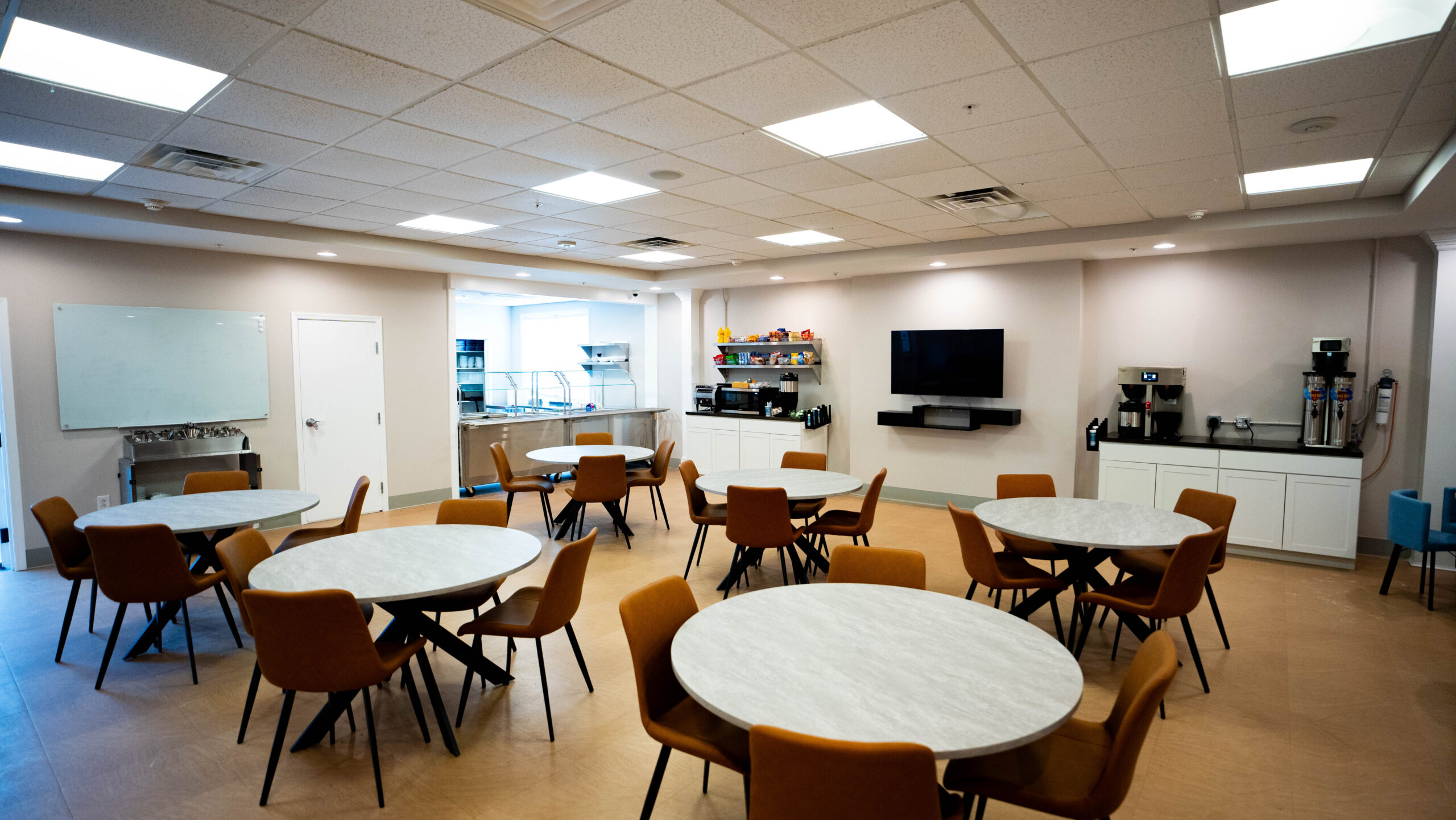
A sober living home is a substance-free residence where people in recovery live together, usually after finishing a treatment program, while they rebuild the daily structure and independence they'll eventually need on their own. 

Unlike a treatment facility, it's not a clinical environment with medical staff on site. It's closer to a supportive, structured living situation with house rules, accountability, and other residents working through the same stage of recovery. 

For someone who never went through a formal program at all, that's a different situation, and looking into the best ways to get sober from alcohol without rehab is really its own conversation.

The appeal is fairly straightforward, honestly. Going straight from a highly structured treatment environment back into an unsupervised apartment or family home can be a jarring transition, especially if that home environment was part of what contributed to the substance use in the first place. 

A sober living home gives someone a middle step. Structure without full clinical supervision, independence without being completely alone.

‍

Who Benefits From This Step

Not everyone leaving treatment needs a sober living home, and it's worth being honest about that instead of treating it like a required box to check. Someone with a stable, substance-free home environment and a strong support system waiting for them may do just fine stepping straight into outpatient care without an intermediate living situation.

The patients who tend to benefit most are the ones whose home environment is unstable, unsafe, or still full of the same triggers that were there before treatment. 

That could mean living with someone who's still using, going back to a neighborhood where substance use was a daily part of life, or just not having anyone at home who gets what early recovery actually requires day to day. 

For these situations, a sober living home can lower the risk of relapse quite a bit during a period when that risk is already at its highest.
‍

Noticed that the weeks right after coming home feel harder to manage than you expected? Give us a call at (646) 347-1891, and we can talk through whether sober living makes sense before things get harder to pull back from.

‍

How This Decision Fits Into a Larger Recovery Plan

Deciding whether a sober living home makes sense isn't something anyone should figure out alone in the final days before discharge. It works best as part of the aftercare planning conversation that happens before someone even leaves treatment. 

Our team builds an individualized aftercare plan with every patient before discharge, one that takes their actual home situation into account rather than assuming everyone's heading back to the same kind of environment.

That plan might point toward outpatient services close to home, continued psychiatric care, connection to local support groups, or, in some cases, stepping back into residential treatment before sober living even comes up. The point is that this decision gets made with clinical input and a full picture of the patient's situation, not as a last-minute scramble on discharge day.

‍

What Matters Most in the Weeks After Treatment Ends

Whether or not someone chooses a sober living home, the period right after leaving inpatient or residential treatment is the highest risk window for relapse, and that doesn't really change based on the living situation alone. 

What matters is whether the person has real support in place, a clear plan for continued care, and somewhere to turn if things start to slip before they turn into a full relapse. It's less about the address and more about what's actually holding the recovery together day to day.

That's part of why we treat discharge planning as seriously as we treat the treatment itself. Every patient leaves with a specific plan built around their circumstances, aimed at sustainable sobriety rather than just getting through the first few weeks. 

If a relapse does happen down the road, it doesn't mean the plan failed entirely. It usually means the plan needs to be reassessed and adjusted, which is exactly the kind of support our team stays available for after someone leaves our care.

‍

Frequently Asked Questions

What happens after a patient completes inpatient or residential treatment?
‍
Before discharge, each patient receives an individualized aftercare plan. This may include a referral to outpatient services, continued psychiatric care, family support resources, and follow-up check-ins. The goal is to lower the risk of relapse and give patients a defined path to continue recovery after leaving the facility.

What is residential treatment, and how is it different from inpatient rehab?
Inpatient rehabilitation is a shorter, more intensive program focused on early stabilization and recovery skills, lasting up to 28 days. Residential treatment is longer-term structured care for patients who need more time and support before returning to independent living. Both are available at Elev8 Centers.

What if someone relapses after completing treatment at Elev8?
Relapse is a recognized part of recovery for many people and doesn't mean treatment failed. If a patient relapses after discharge, Elev8's team can reassess the situation and talk through next steps, which may include returning to inpatient care, stepping into residential treatment, or adjusting the approach to address what was missed.

How long does each level of care take?
Medical detox typically lasts 5 to 6 days. Inpatient rehabilitation runs up to 28 days. Residential treatment timelines are longer and vary based on each patient's clinical needs and progress. The treatment team determines the appropriate length for each individual.

‍

Take the Next Step

If you are trying to figure out what comes after rehab, including whether a sober living home makes sense for your situation, that conversation can start before treatment even begins. Call us at (646) 347-1891, and our team can help you think through what a realistic aftercare plan looks like.

Email: info@elev8centers.com
Address: 151 W 136th St, New York, NY 10030
Business Hours: Sunday - Monday, Open 24 hours

Fill out our contact form, and a team member will respond promptly. We accept most insurance plans and are committed to making your treatment process smooth and supportive.


Related Topics:
Posted on
September 27, 2026

Building a Relapse Prevention Plan After Rehab

Posted on
September 27, 2026

How Living Environment Impacts Long-Term Recovery Outcomes in New York

Posted on
September 27, 2026

How Data Is Used to Improve Treatment Outcomes in New York Rehab Centers

Posted on
September 27, 2026

How Rehab Centers in New York Track and Improve Recovery Outcomes

Posted on
September 27, 2026

What Happens After Rehab? Aftercare Planning Explained

Posted on
September 27, 2026

Is Inpatient Rehab Effective for Long-Term Recovery in New York?

Posted on
August 26, 2026

Role of Family Therapy in Addiction Recovery Programs

Posted on
August 26, 2026

Trauma-Informed Care in New York Inpatient Rehab Centers

Posted on
August 26, 2026

When Group Therapy Is More Effective Than Individual Therapy in New York Rehab Programs

Posted on
August 26, 2026

Cognitive Behavioral Therapy (CBT) in New York Rehab Programs Explained

Posted on
August 26, 2026

Evidence-Based vs Holistic Therapies in New York Rehab Centers: Which One Actually Works Best?

Posted on
August 26, 2026

How Does Medication-Assisted Treatment (MAT) Work in Inpatient Rehab?

Posted on
August 26, 2026

What Therapies Are Used in Inpatient Rehab in New York?

Posted on
August 6, 2026

Transitioning from Inpatient Rehab to Outpatient Care

Posted on
August 6, 2026

Employment Protection Laws for Rehab Patients in New York Explained

Posted on
August 6, 2026

Comparing IOP, PHP, and Inpatient Rehab in New York

Posted on
August 6, 2026

Clinical Criteria Doctors Use to Recommend Inpatient Rehab in New York

Posted on
August 6, 2026

What Level of Care Is Right for Your Addiction Severity in New York?

Posted on
August 6, 2026

How Misdiagnosis of Addiction Severity Affects Treatment Outcomes in New York Rehab

Posted on
August 6, 2026

When Outpatient Rehab Fails: When to Move to Inpatient

Posted on
June 23, 2026

Can You Be Forced Into Rehab in New York? Legal Options Explained

Posted on
June 15, 2026

Medical Detox vs Inpatient Rehab in New York: What's the Difference?

Posted on
June 15, 2026

Emergency Rehab Admissions in New York: What to Do

Posted on
June 15, 2026

Waitlists and Availability: How Fast Can You Enter Rehab in New York?

Posted on
June 23, 2026

What Are the Admission Requirements for Inpatient Rehab in New York?

Posted on
June 15, 2026

What Documents and Assessments Are Required for Rehab Admission?

Posted on
June 15, 2026

How to Get Someone Into Inpatient Rehab in New York

Posted on
May 21, 2026

Financial Assistance Programs for Rehab in New York

Posted on
August 7, 2026

Cost Differences Between Urban and Upstate Rehab Centers in New York

Posted on
August 7, 2026

State-Funded vs Private Inpatient Rehab Centers in New York

Posted on
May 21, 2026

Private Pay vs Insurance: Paying for Rehab in New York Explained

Posted on
August 26, 2026

Is Luxury Rehab Worth It in New York? Cost vs Value Breakdown

Posted on
August 3, 2026

In-Network vs Out-of-Network Rehab Coverage in New York Explained

Posted on
May 21, 2026

What Factors Influence the Cost of Inpatient Rehab in New York?

Posted on
April 30, 2026

What Determines the Length of Stay in New York Inpatient Rehab Programs?

Posted on
April 30, 2026

What Happens During the First 72 Hours in Inpatient Rehab in New York

Posted on
May 4, 2026

How Treatment Plans Are Adjusted During Inpatient Rehab in New York

Posted on
May 4, 2026

Inpatient vs Partial Hospitalization Programs (PHP) in New York: Key Differences

Posted on
May 4, 2026

What Types of Addiction Are Treated in New York Inpatient Rehab Centers?

Posted on
May 4, 2026

What Milestones Indicate Progress During Inpatient Rehab in New York

Posted on
September 5, 2026

Who Is a Good Candidate for Inpatient Rehab in New York?

Posted on
March 22, 2026

How to Determine If You Need Inpatient Rehab in New York

Posted on
March 22, 2026

How Inpatient Rehab Works in New York: What to Expect

Posted on
March 22, 2026

The Benefits of Choosing Inpatient Rehab Over Outpatient Care

Posted on
March 22, 2026

How to Choose the Right Inpatient Rehab Program in New York

Posted on
March 22, 2026

What Are the Signs You Need Inpatient Rehab in New York?

Posted on
August 7, 2026

Why Alcohol Detox Centers Are Essential for Overcoming Addiction

Posted on
February 15, 2026

What Is Alcohol Detox? Understanding the Process and Benefits

Posted on
August 7, 2026

Effective Detox for Teens: A Healthy Approach to Cleanse

Posted on
February 15, 2026

Best Medications for Alcohol Withdrawal Syndrome

Posted on
February 15, 2026

What Are the Best Methods for Alcohol Detox

Posted on
August 7, 2026

How Long Does a Drug Detox Last? A Timeline Explained

Posted on
January 19, 2026

How to Naturally Detox Your Body for a Drug Test

Posted on
January 19, 2026

How Long Does Drug Detox Take From Start to Stabilization

Posted on
January 19, 2026

How to Safely and Responsibly Drug Detox at Home

Posted on
January 19, 2026

What Is Drug Detox Like for Someone Entering Treatment for the First Time

Posted on
February 28, 2026

Top Advantages of Inpatient Drug Rehabilitation

Posted on
February 28, 2026

Acute Inpatient Drug Rehab: What You Need to Know

Posted on
February 28, 2026

Inpatient Drug Rehab Explained

Posted on
February 28, 2026

What Is an Inpatient Drug Rehabilitation Facility

Posted on
February 28, 2026

What Are the Essentials to Pack for Inpatient Drug Rehab?

Posted on
August 7, 2026

What You Should Know About Percocet

Posted on
February 28, 2026

What Enablers Do and How It Affects Addiction Patterns

Posted on
August 7, 2026

What is the Dope Drug and Why is It Used?

Posted on
February 28, 2026

How to Know If Your Weed is Laced

Posted on
February 28, 2026

What is a Dab and How Do Concentrates Compare?

Posted on
August 7, 2026

How to Slowly Detox From Alcohol: Natural Ways to Start

Posted on
October 23, 2025

Inpatient Alcohol Rehab Cost: What You Need to Know

Posted on
October 29, 2025

The Best Ways to Get Sober From Alcohol Without Rehab

Posted on
August 7, 2026

The True Cost of Alcohol Rehab Without Insurance Explained

Posted on
October 29, 2025

What is the Success Rate of Alcohol Rehab Programs?

Posted on
September 25, 2025

The Truth Behind How Long Muscle Relaxers Stay in Your System

Posted on
September 25, 2025

How Sprayed Weed Affects Your Body During Detox and Rehabilitation

Posted on
September 25, 2025

Understanding How Long Doxycycline Stays in Your System

Posted on
September 25, 2025

Does Ketamine Show Up on a 12 Panel Drug Test

Posted on
September 24, 2025

How Long Does It Take for Weed to Leave Your System?

Posted on
August 7, 2026

What to Expect in Outpatient Rehab: Common Challenges and How to Overcome Them

Posted on
August 7, 2026

What Is Outpatient Cardiac Rehab: Key Facts and Information

Posted on
August 7, 2026

How Effective Is Outpatient Rehab: Key Insights You Need to Know

Posted on
August 7, 2026

A Deep Dive Into How Outpatient Drug Rehab Works

Posted on
August 24, 2025

The Length of an Adderall Outpatient Rehab Program Explained

Posted on
July 20, 2025

Dopamine Detox Timeline: A Step-by-Step Guide to Reclaiming Focus

Posted on
July 21, 2025

Alcohol Recovery Steps: How to Achieve Sustainable Sobriety

Posted on
July 20, 2025

How Long Does Alcohol Stay in Urine: Facts and Myths Explained

Posted on
July 20, 2025

Can a Urine Drug Test Show How Much You Take: Factors That Matter

Posted on
July 20, 2025

What Do Muscle Relaxers Do: A Look at Their Side Effects and Benefits

Posted on
August 7, 2026

The True Cost of Drug Rehab Without Insurance: What to Expect

Posted on
August 7, 2026

Drug Rehab Success Rate: What You Need to Know Before Seeking Help

Posted on
June 22, 2025

Rapid Drug Detox: A Fast and Effective Solution for Addiction Recovery

Posted on
September 19, 2025

What Does Meth Smell Like and Why It's Hard to Ignore

Posted on
August 7, 2026

Drug Detox Timeline: Key Stages and What to Know

Posted on
August 7, 2026

How Long Is Inpatient Drug Rehab: Typical Durations Explained

Posted on
May 24, 2025

What Happens in Drug Rehab: From Admission to Aftercare

Posted on
May 24, 2025

How to Send Someone to Drug Rehab: Overcoming Common Challenges

Posted on
August 7, 2026

What Is Outpatient Drug Rehab: Types, Programs, and Effectiveness

Posted on
August 7, 2026

What Is Drug Rehab: A Clear Explanation of Treatment and Recovery

Posted on
August 7, 2026

How Rehab Helps Drug Addicts Overcome Addiction and Build a New Life

Posted on
August 7, 2026

When to Go to Rehab for Alcohol: Signs That You Need Professional Help

Posted on
August 7, 2026

How Effective Drug Rehab Can Be in Achieving Long-Term Sobriety

Posted on
August 7, 2026

How to Detox for a Drug Test: Effective Methods and Tips