Good treatment doesn't run on guesswork, and it shouldn't. Behind the daily therapy sessions and medical care at an expert rehab center, there's a constant process of watching how a patient is responding and adjusting course when something just isn't working.
Here's a look at what that tracking process actually involves at a facility like ours and why it shapes real decisions rather than sitting in a file somewhere, unused.
Why Tracking Progress Matters in Addiction Treatment
Addiction treatment isn't something you can measure with a single test or a single number. Progress looks different for almost every patient, and a facility that takes recovery seriously has to pay attention to a lot of moving pieces at once:
- physical stability
- engagement in therapy
- mental health symptoms
- how someone is functioning day to day compared to when they first arrived.
It's less about hitting one milestone and more about watching the whole picture, honestly. That's why tracking is built into the treatment process itself, rather than something that happens after the fact as an afterthought.
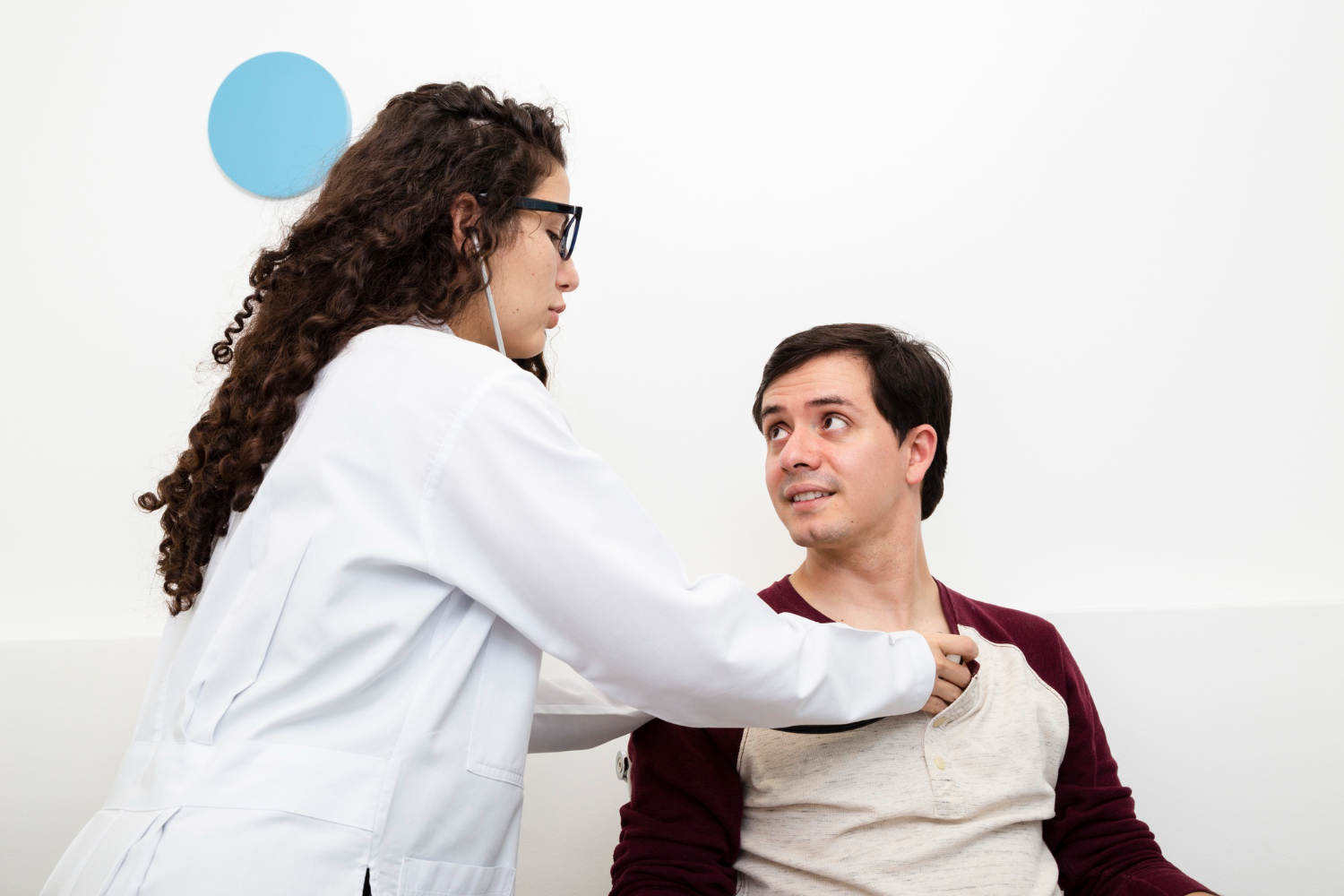
Our clinical team, which includes medical doctors, licensed mental health counselors, and certified alcohol and substance abuse counselors, checks in regularly with patients throughout their time in our inpatient rehabilitation services. Those check-ins aren't just for our records, either. They shape what happens next in that patient's treatment plan.
A patient dealing with alcohol dependence, for instance, is monitored a bit differently than one coming in for opioid withdrawal, since the physical risks and timelines just aren't the same. Building that specificity into how progress is tracked from day one helps make the rest of treatment more accurate and, honestly, more useful. It's not about treating everyone the same and hoping for the best.

What Gets Monitored During Treatment
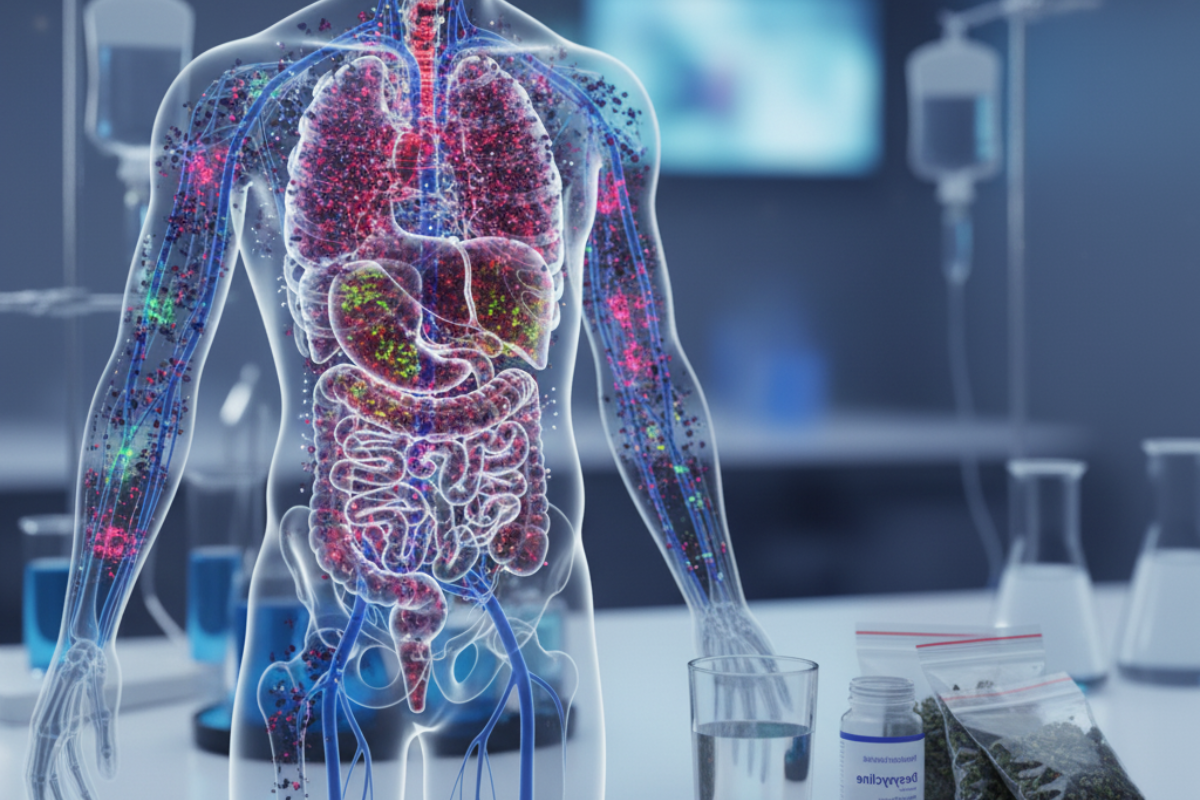
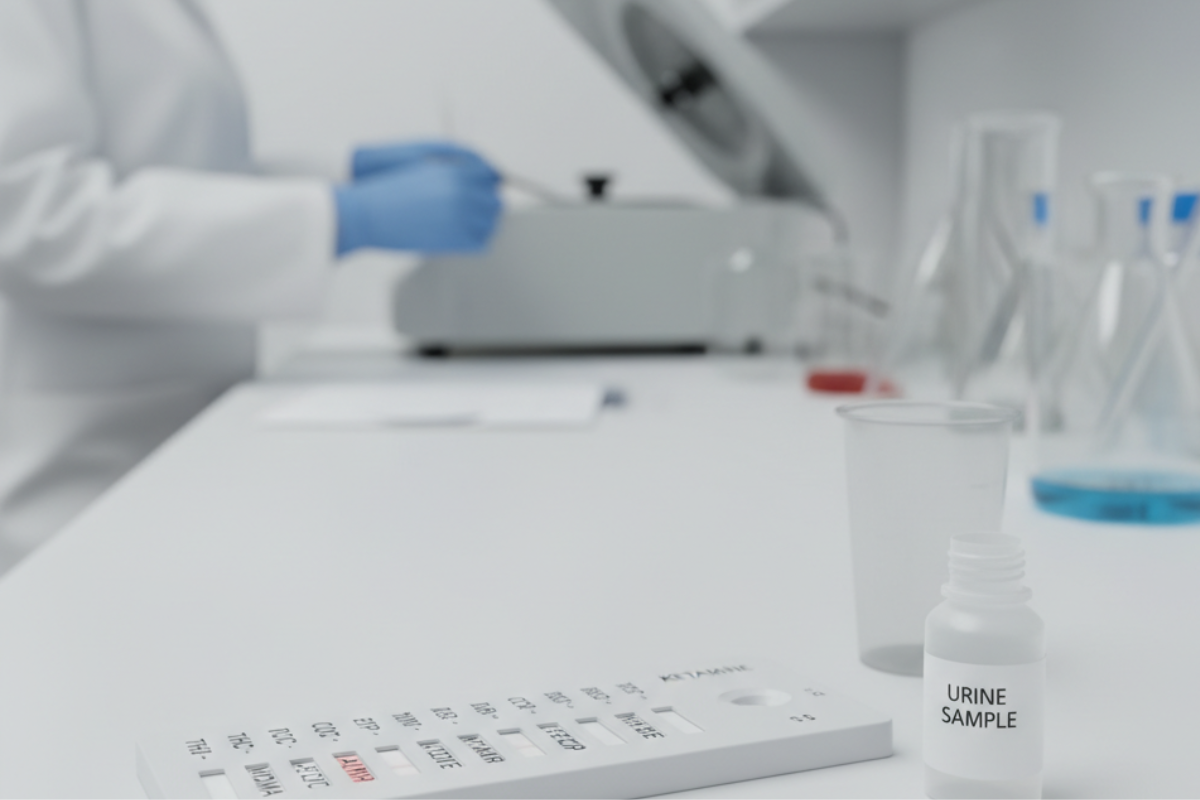
During medical detox, monitoring is constant and clinical: vital signs, withdrawal symptoms, and how a patient is responding to any medication being used to manage that process.
Once someone moves into inpatient rehabilitation, the focus shifts toward behavioral and psychological progress, how engaged they are in individual and group therapy, whether underlying mental health symptoms are improving, and how they're handling the day-to-day structure of the program.
Little changes in either area can shape what happens with the treatment plan moving forward.
We also track how a patient's needs change over time, because treatment is rarely a straight line. Someone might come in requiring intensive support and gradually need less direct supervision as they stabilize, or a patient might need their plan adjusted if something isn't working the way it was expected to, which, honestly, is one of the reasons why rehab doesn't work when nobody's paying attention.
Keeping a close eye on these shifts is part of what allows our team to keep a treatment plan responsive instead of static.
Noticing that treatment doesn't seem to be working the way it should, or maybe you're just not sure where to start? Give us a call at (646) 347-1891, and someone on our team will walk you through your options.
How Outcome Data Shapes Aftercare Planning
The information gathered during treatment doesn't just sit in a file somewhere. It directly informs the aftercare plan every patient receives before they leave our facility, which is honestly a big part of choosing the right inpatient rehab program in the first place.
If a patient has made strong progress managing a co-occurring mental health condition, that gets factored into what kind of ongoing psychiatric support they're referred to after discharge. And if someone has struggled with a particular part of the program, that gets addressed directly rather than glossed over on the way out the door.
This kind of individualized tracking is part of why we can say, with real confidence, that our facility maintains a 4.9-star rating across 42 Google reviews. It's not just a marketing number, either. It reflects patients and families who went through a process built around their specific situation rather than a one-size-fits-all schedule.
Why This Approach Requires the Right Staffing
None of this works without enough qualified people doing the work. Our facility employs more than 125 health professionals, including medical doctors, registered nurses, pharmacists, licensed social workers, and certified recreational counselors, which gives us one of the highest patient-to-therapist ratios of any inpatient rehab facility in New York City.
That staffing depth is what makes it realistic to track individual progress closely instead of relying on broad assumptions about how a patient is doing.
It also connects directly to why full continuum care matters. Because we offer medical detox, inpatient rehabilitation, residential treatment, and medication assisted treatment at the same facility, the same clinical team is following a patient's progress from the day they arrive through the day they leave, rather than handing off notes to a new provider partway through.
That kind of consistency is hard to find, and it makes a real difference.
That continuity means fewer gaps where key context gets lost. A counselor who has been working with a patient since intake already understands what has and has not worked for them, which makes every later decision, from adjusting a therapy schedule to shaping a discharge plan, more grounded in that patient's actual history rather than a fresh set of assumptions. It just makes for smarter, more informed care all around.
Frequently Asked Questions
What qualifications does the Elev8 Centers clinical staff hold?
The Elev8 clinical team includes medical doctors, registered nurses, pharmacists, nutritionists, licensed social workers, licensed mental health counselors, certified alcohol and substance abuse counselors (CASACs), and certified recreational counselors. The facility employs more than 125 health professionals in total.
Is Elev8 Centers licensed and accredited?
Yes. Elev8 Centers is licensed by the New York State Office of Alcoholism and Substance Abuse Services (OASAS), accredited by the National Association of Addiction Treatment Professionals (NAATP), and certified by LegitScript, an independent organization that verifies addiction treatment providers meet legal and ethical operating standards.
What rehabilitation services does Elev8 Centers offer?
Elev8 Centers offers medical detox, inpatient rehabilitation, residential treatment, and medication-assisted treatment (MAT). Each service is available at the same NYC facility, so patients move through levels of care without transferring to a new provider.
What happens after a patient completes inpatient or residential treatment?
Before discharge, each patient receives an individualized aftercare plan. This may include a referral to outpatient services, continued psychiatric care, family support resources, and follow-up check-ins. The goal is to reduce the risk of relapse and give patients a defined path to continue recovery after leaving the facility.
Have questions about starting treatment, or just want to talk through your options first? Contact us, and we'll help you figure out the right next step. You can also reach us at (646) 347-1891 or info@elev8centers.com. We're here Sunday through Monday, open 24 hours.
Related Topics:


















%20(1).jpg)
.jpg)
.jpg)



.jpg)
.jpg)


.png)
.png)





















.png)
.png)
.png)
.png)
.png)
.png)
.png)
.png)
.png)
.png)