The word "data" can sound like it belongs in a spreadsheet rather than a treatment room, but in addiction care it usually means something closer to "attention." It is the small, ongoing details a clinical team gathers about a patient and actually acts on, not just something filed away somewhere.
At a leading rehab facility in New York, that kind of information is what shapes real decisions day to day, rather than sitting unused after intake.
What Counts as Data in Addiction Treatment
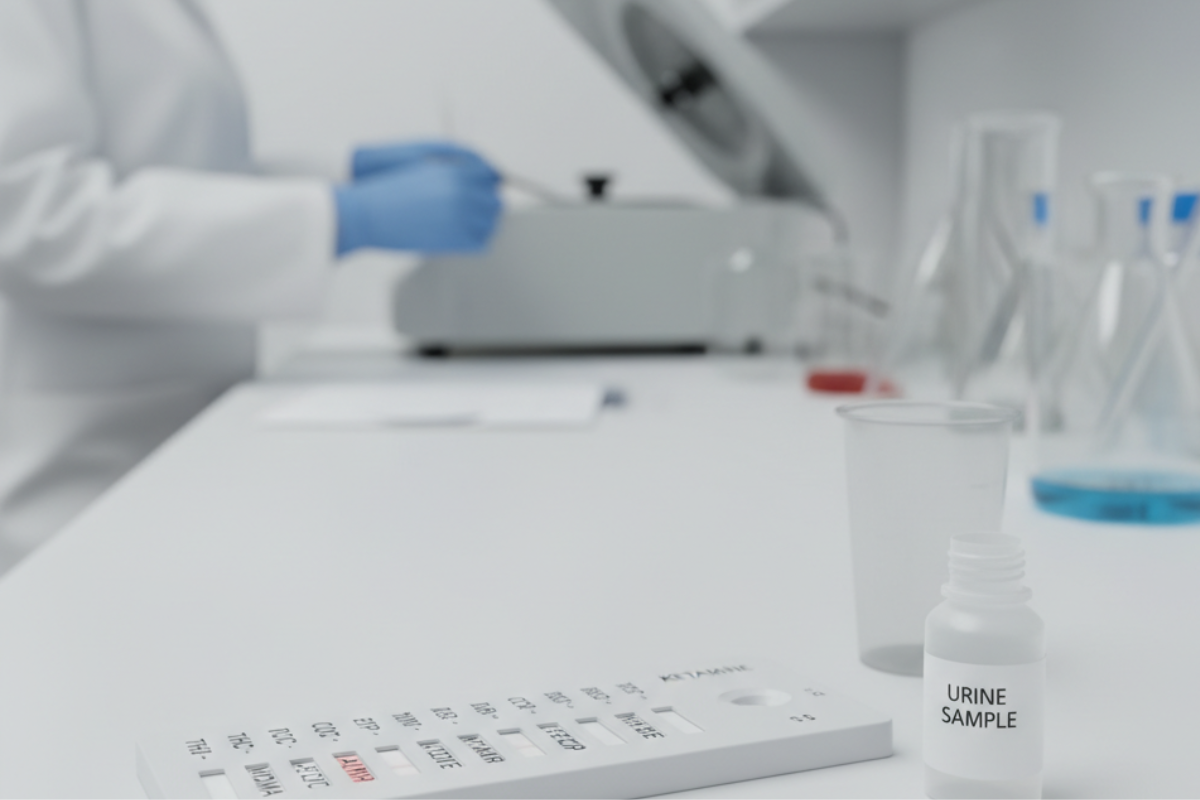
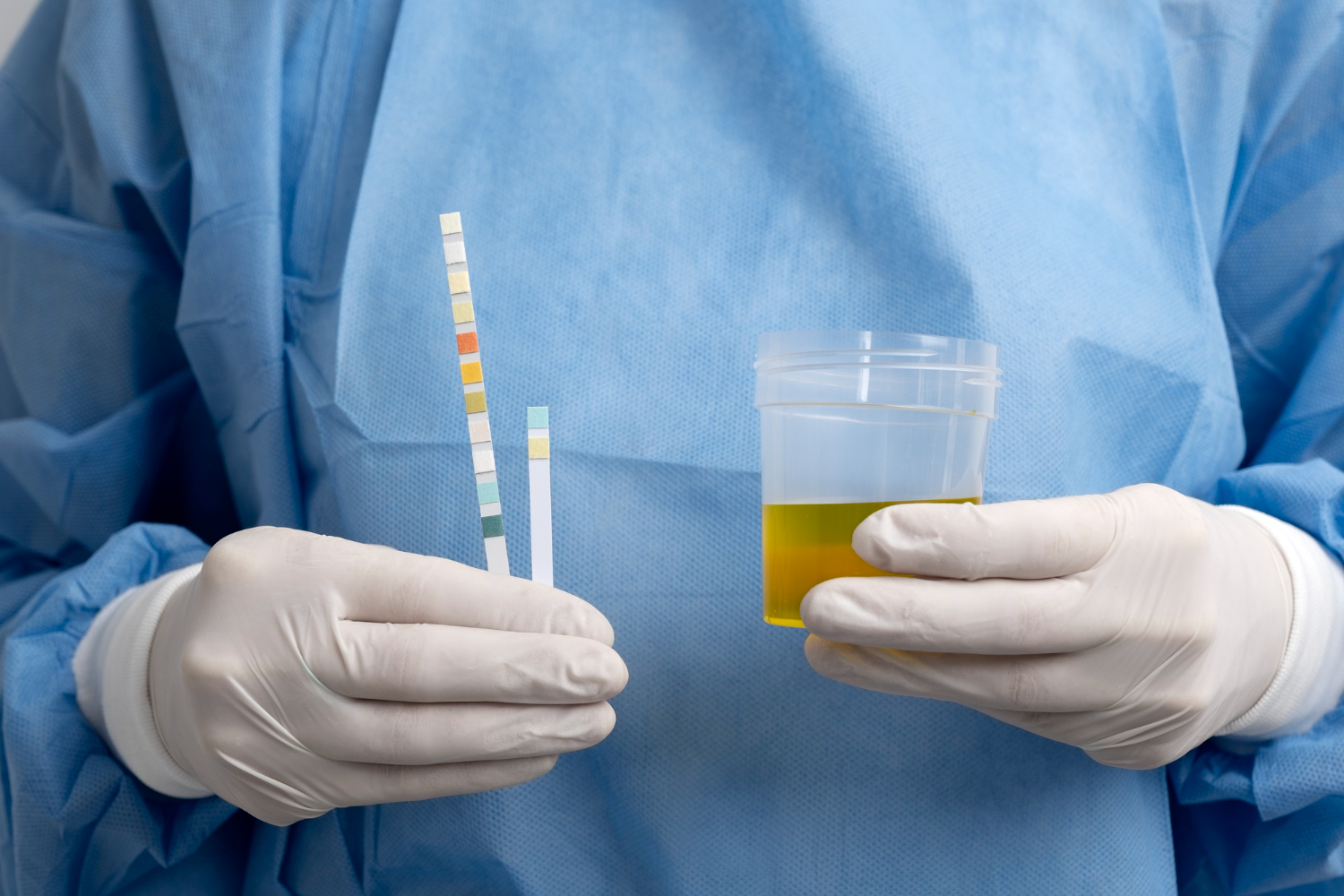
When people hear the word "data" in the context of rehab, it can sound cold, like a spreadsheet standing in for actual care. In practice, it is a lot more grounded than that. It is the intake assessment that identifies which substances are involved and how severe the dependence is, and it is the daily notes a counselor keeps on how someone is responding to group therapy.
It is also the vital signs recorded every few hours during detox, the kind of thing nobody thinks about until it matters. All of it feeds into decisions that directly affect a patient's care, not just numbers sitting in a chart.
And honestly, the more consistent that tracking is, the better the outcomes tend to be, which is a big part of what drives the success rate of alcohol rehab programs in general.
None of this replaces the relationship between a patient and their care team, it supports it. A physician cannot safely adjust a withdrawal management plan without accurate, ongoing information about how someone's body is actually responding.
A counselor cannot build a treatment plan that works without understanding a patient's history either, including whether a co-occurring mental health condition is part of the picture.
This matters most early in treatment, when the margin for error is smallest. A patient going through alcohol withdrawal, for example, can develop serious complications fast. That is why the information gathered during those first days is not just useful, it is often what keeps someone safe while their body stabilizes.

How Information Shapes the Treatment Plan Itself
At intake, our clinical team pulls together a full picture of what a patient is dealing with: the substances involved, severity of dependence, medical history, and any co-occurring mental health conditions. That picture determines which level of care someone starts at.
For some, that means beginning with medically supervised detox, and for others it means moving directly into inpatient rehabilitation services if physical dependence is not really a factor.
As treatment continues, that picture keeps updating, it does not just sit there from day one. If a patient is responding well to a particular therapeutic approach, that gets reinforced and built on. If something is not working, whether that is a specific medication, a therapy format, or even just a scheduling issue, our team adjusts course rather than sticking rigidly to the original plan.
Addiction treatment that ignores that ongoing information and just runs the same program for every patient, no matter how they are doing, tends to fall short. We built our approach specifically to avoid that trap. It is a bit more work on our end, honestly, but it is the difference between a plan that fits the patient and one the patient is forced to fit into.
Why This Matters for Dual Diagnosis Patients Specifically
Patients dealing with both a substance use disorder and a mental health condition need especially close attention, because treating one while ignoring the other is one of the most common reasons people relapse after treatment. Our dual diagnosis approach depends on tracking both conditions at the same time, not treating addiction as the only thing that matters.
That means our team is watching for how psychiatric symptoms shift alongside progress in addiction treatment and adjusting both sides of the plan together as things change. A patient whose anxiety is improving alongside their sobriety is a very different clinical picture than a patient whose anxiety is getting worse even as their substance use stabilizes.
That distinction only becomes visible when both sides are being tracked closely and consistently, which is really the whole point of ongoing treatment plan adjustment rather than a one-and-done approach.
Not sure whether dual diagnosis care applies to you or someone you love? Give us a call at (646) 347-1891, and we will walk you through what treatment could actually look like.
Turning Information Into Better Aftercare
The clearest place where ongoing clinical information really pays off is in aftercare planning. Before a patient leaves our facility, that accumulated picture, medical history, therapy progress, mental health status, and how the patient responded throughout treatment, gets translated into a discharge plan built around them individually.
That is a real departure from just handing every patient the same generic list of resources on their way out the door.
This is also where staffing depth matters, maybe more than people realize. With more than 125 health professionals on staff, including licensed mental health counselors, certified alcohol and substance abuse counselors, and continuing care managers, our team has the capacity to actually use this information rather than just collecting it.
That combination, close tracking paired with enough staff to act on it, is a meaningful part of what separates thorough treatment from care that looks thorough on paper but does not hold up in practice.
It is also part of why we are licensed by the New York State Office of Alcoholism and Substance Abuse Services, accredited by the National Association of Addiction Treatment Professionals, and certified by LegitScript. These credentials confirm that a facility's clinical practices, including how it gathers and uses patient information, meet an outside standard rather than relying on self-reported claims alone.
Frequently Asked Questions
What qualifications does the Elev8 Centers clinical staff hold?
The Elev8 clinical team includes medical doctors, registered nurses, pharmacists, nutritionists, licensed social workers, licensed mental health counselors, certified alcohol and substance abuse counselors (CASACs), and certified recreational counselors. The facility employs more than 125 health professionals in total.
Is Elev8 Centers licensed and accredited?
Yes. Elev8 Centers is licensed by the New York State Office of Alcoholism and Substance Abuse Services (OASAS), accredited by the National Association of Addiction Treatment Professionals (NAATP), and certified by LegitScript, an independent organization that verifies addiction treatment providers meet legal and ethical operating standards.
What substances does Elev8 Centers treat?
Elev8 treats addiction to alcohol, heroin, opioids, oxycontin, cocaine, methamphetamine, prescription drugs, and polysubstance use (multiple substances combined). Each patient receives an individualized treatment plan based on what substances are involved and the severity of dependence.
Does Elev8 Centers treat co-occurring mental health conditions?
Yes. Elev8 uses a dual diagnosis approach, meaning patients with both a substance use disorder and a mental health condition, such as depression, anxiety, PTSD, or bipolar disorder, receive treatment for both at the same time. Treating only one while leaving the other unaddressed is a common reason people relapse.
Have questions about starting treatment, or just want to talk through your options first? Contact us, and we will help you figure out the right next step. You can also reach us at (646) 347-1891 or info@elev8centers.com. We are here Sunday through Monday, open 24 hours.
Related Topics:





















%20(1).jpg)
.jpg)

.jpg)



.jpg)
.jpg)


.png)
.png)






















.png)
.png)
.png)
.png)
.png)
.png)
.png)
.png)
.png)
.png)