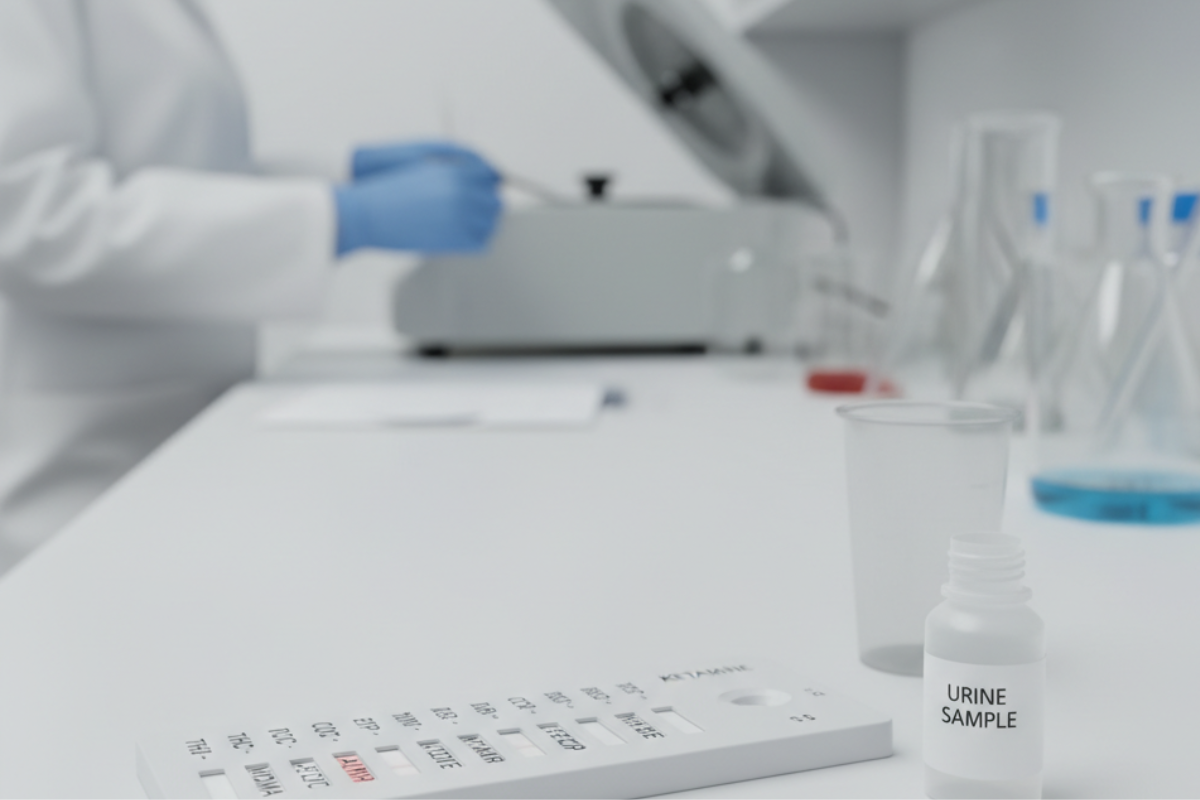
Yes, some patients go straight into rehab without detox. It happens only when a clinical assessment shows no significant physical dependence that needs medical management. A physician makes that call at intake, not the patient and not over the phone. That assessment is run on every admission at a licensed inpatient rehab program in Harlem.
More than 125 health professionals work at the facility, including the physicians who decide it, and it holds a New York State OASAS license and LegitScript certification. The honest answer here changes case by case, so the sections below explain what moves it.
What Decides Whether Detox Can Be Skipped
The deciding factor is physical dependence, not how severe the addiction looks from outside. Someone can be deeply addicted, with a wrecked career and a frightened family behind them. Their body may still not produce dangerous withdrawal. Somebody else can be functioning well at work and be three days from a seizure. The clinical picture and the social picture are not the same thing.
Our physicians look at which substance is involved, how much, how often, and what happened last time the person stopped. A history of withdrawal seizures settles the question immediately. So does daily heavy drinking, long term benzodiazepine use, or regular opioid use at the doses most people reach before asking for help.
Age, liver function and pregnancy all pull the answer toward supervised detox. The broader admission requirements for inpatient rehab sit alongside this and are worth reading before anyone travels.
Who Can Usually Start with Inpatient Rehab
Stimulant users are the most common group admitted straight into rehabilitation. Cocaine and methamphetamine withdrawal is psychologically brutal, bringing crushing fatigue, low mood and heavy cravings. What it does not bring is the seizure risk that alcohol and benzodiazepines carry. Those patients are monitored closely and often medicated for sleep and mood, but they do not need a separate detox stage to be safe.
The second group is people who have already stopped. Someone who spent four days in hospital after an overdose has usually cleared the acute phase. The same applies to a patient who was held in custody and has not used since. We still examine them, still run bloodwork, and still complete a psychiatric evaluation. Stopping and being stable are two different states, which is part of what determines who makes a good candidate for inpatient rehab.
Who Should Never Skip It
Some presentations take the choice off the table, and no reputable facility in New York, NY will negotiate on them.
- Daily heavy alcohol use. Withdrawal can produce seizures and delirium tremens, which is fatal without treatment. This is the clearest case for supervised detox there is.
- Benzodiazepine dependence. Xanax, Valium and Klonopin carry seizure risk that closely mirrors alcohol, and the taper has to be medically managed.
- Regular opioid or fentanyl use. Rarely fatal on its own, but severe enough that most people leave and use again. Relapse after any abstinence carries sharply raised overdose risk.
- Any prior withdrawal seizure. One episode predicts another. It usually arrives faster and harder the second time.
- Polysubstance use. Mixed dependence is unpredictable. The safe assumption is always that supervision is needed.
A patient in any of those categories is not being slowed down by detox. They are being kept alive through the one stage of treatment that can actually kill somebody.
Not sure whether detox is needed before inpatient rehab? Call (646) 347-1891, and our admissions team will tell you what’s likely before anyone travels anywhere. The line is open 24 hours a day and the call is confidential.
Why People Want to Skip It, and What That Costs
The motive is almost always time. Someone has a job that will hold for a month and not six weeks. Sometimes it is a court date, or a family member who has taken leave to manage childcare. Five or six days feels like dead weight at the front of a plan that already asks for a month away.
The arithmetic does not hold up. A patient admitted into therapy while still in withdrawal absorbs very little of the first week. The clinical work then gets repeated later, or it simply does not land. Our team sees the difference clearly between a patient who arrives stabilized and one who spends the opening sessions sweating through a chair. Detox does not add a week to treatment. Skipping it when the body needs it subtracts one, and the days lost are the ones that were supposed to matter.
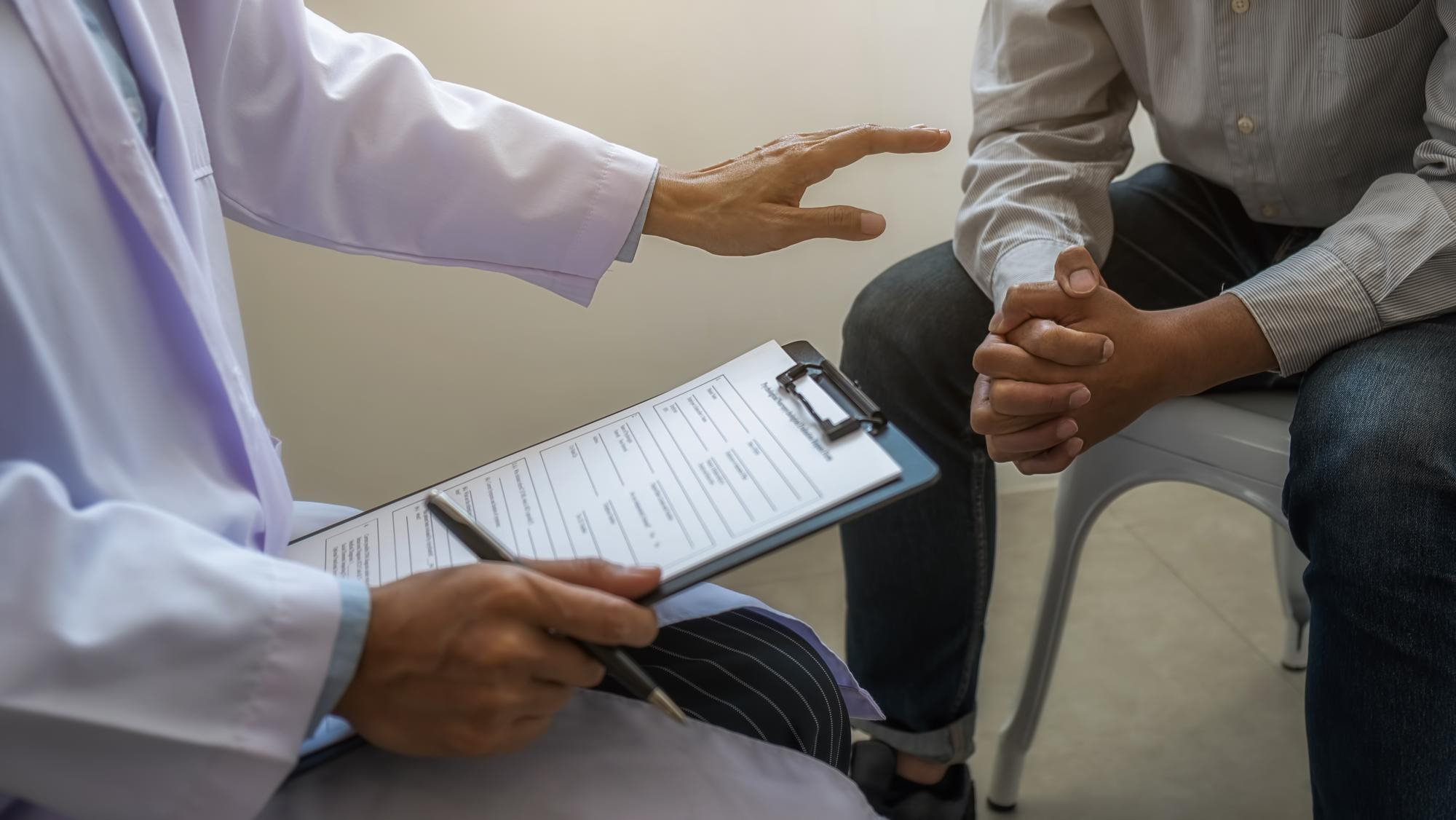
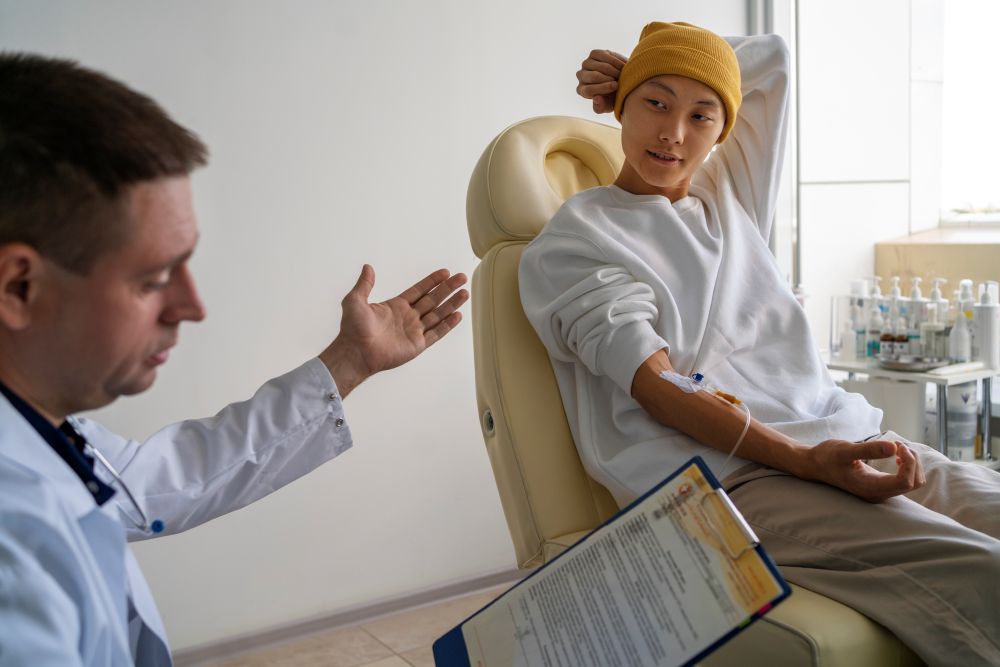
The intake assessment settles which side of that line you fall on, and it happens before any commitment is made. Nothing is signed and nobody is admitted until a physician has looked at the clinical picture.
What Happens When Detox Is Skipped
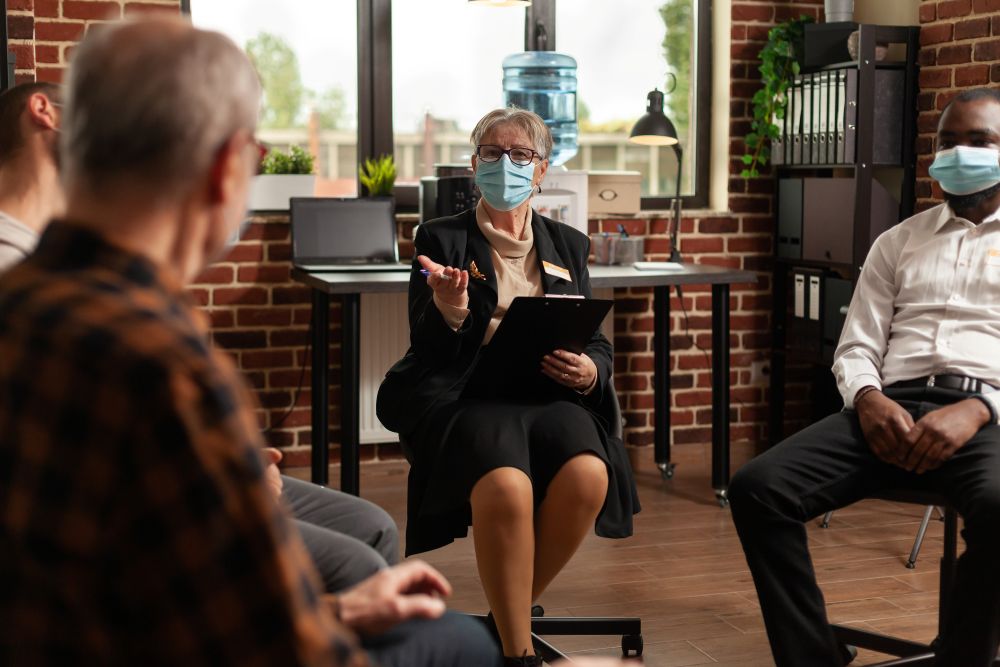
A patient cleared to start directly in rehabilitation begins the ordinary inpatient routine. It runs up to 28 days and combines individual therapy, group sessions, psychiatric support and recreational programming. Medical monitoring does not stop because formal detox was not required. Nurses keep checking vital signs and physicians stay available, since late withdrawal symptoms occasionally surface in patients assessed as low risk.
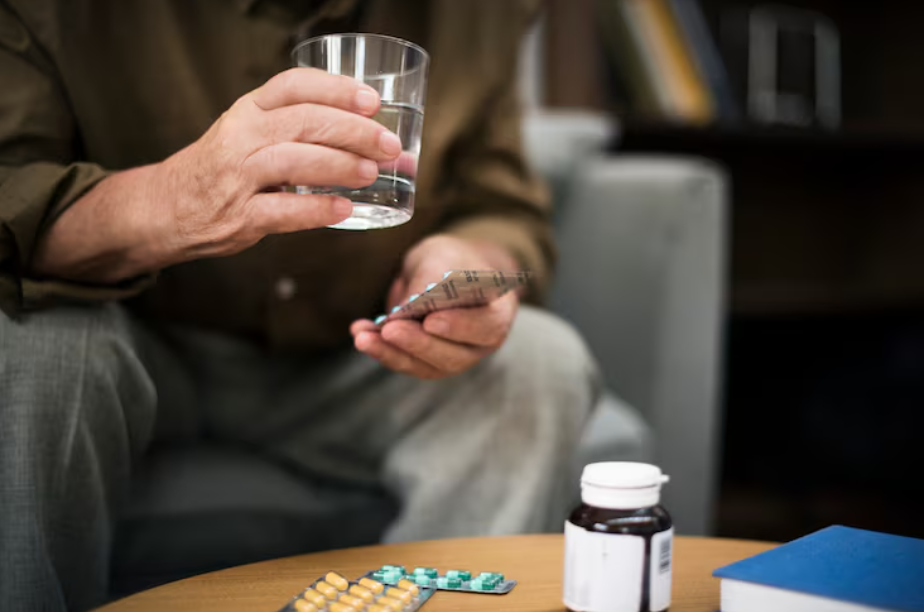
Medication still has a role here, because cravings frequently outlast the physical symptoms by weeks. Our physicians prescribe medication assisted treatment where it fits, pairing buprenorphine or naltrexone with counseling rather than handing it over alone. For patients whose addiction sits alongside depression, anxiety, PTSD or bipolar disorder, both conditions get treated at the same time. Treating one and ignoring the other is among the most common routes back to using.
What If Inpatient Is Not the Right Level Either
Skipping detox sometimes turns out to be the smaller question. Occasionally the assessment shows that a patient does not need residential care at all. Sometimes it shows they need longer than 28 days rather than shorter. We would rather say that at intake than find it in week three.
A stable home free of substances, mild to moderate dependence, and no failed treatment behind them are what make someone a good fit for an intensive outpatient program. Patients who need more structure than that but less than full inpatient care can use partial hospitalization. Those who need more time than inpatient rehab allows move into residential treatment. The assessment sorts people into the right level rather than into whichever bed is open. That is the part families should be asking every facility about.
Frequently Asked Questions
Can someone be admitted directly to inpatient rehab without going through detox?
Yes, if they do not have significant physical dependence requiring medical management. A clinical assessment at intake determines whether detox is needed before rehab begins. That assessment is carried out by a physician rather than by admissions staff.
How long does each level of care take?
Medical detox typically lasts 5 to 6 days, and inpatient rehabilitation runs up to 28 days. Residential treatment timelines are longer and vary based on each patient's clinical needs and progress. The treatment team determines the appropriate length for each individual.
Who decides whether detox is required?
A physician, after a medical and psychiatric evaluation at intake. Nothing is confirmed over the phone. Withdrawal risk depends on bloodwork, vital signs and history that cannot be assessed in a conversation.
What happens if someone refuses detox but clearly needs it?
Our staff explain the medical risk plainly. We will not admit a patient into rehabilitation when withdrawal could turn dangerous. Admissions staff are trained to work with people who are reluctant, and most agree once they understand what is being protected.
Does Elev8 Centers treat co-occurring mental health conditions?
Yes. We use a dual diagnosis approach. Patients who have both a substance use disorder and a mental health condition receive treatment for both at once. That covers depression, anxiety, PTSD and bipolar disorder. Treating only one while leaving the other unaddressed is a common reason people relapse.
Contact Us About Admission in New York City
Bring what you know and we will work with it. The substance, roughly how much, how long it has been going on, and whether there has been a seizure or a hospital visit. That is enough for our team to give you a straight answer about the next few days.
The line is open 24 hours a day, every day of the year, and the conversation is confidential. Call (646) 347-1891 and we will tell you whether detox is likely to be needed before anyone travels anywhere.
Related Topics:
- Medications Used During Detox in New York Rehab Centers
- Medical Screening Process Before Detox in New York Rehab Centers Explained
























%20(1).jpg)
.jpg)

.jpg)



.jpg)
.jpg)



.png)
.png)






















.png)
.png)
.png)
.png)
.png)
.png)
.png)
.png)
.png)
.png)