What Happens During Detox Before Inpatient Rehab in New York?

Published on

Detox before inpatient rehab usually takes 5 to 6 days. It moves through four stages, from a full medical assessment to a direct transfer into rehab in the same building.

We provide inpatient rehab in New York City from our facility in Harlem, with doctors and nurses on site at every hour. More than 125 health professionals work here. That staffing is why a patient in withdrawal gets checked on by name rather than by schedule.

We are licensed by New York State OASAS and accredited by the National Association of Addiction Treatment Professionals. The people who sit with you through those six days are the same people who treat you afterward.

‍

Why Detox Has to Happen Before Rehab Begins

Physical dependence changes what the body does when a substance stops arriving. Alcohol, opioids, and benzodiazepines each produce withdrawal that can turn serious within hours. The risk is not spread evenly across patients. Someone who has been drinking heavily for years faces one kind of danger. Someone tapering off prescription painkillers faces another, which is why the assessment comes before anything else.

Rehab asks a patient for sustained attention. Group therapy, individual counseling, and psychiatric work all depend on being able to sit still and remember the conversation the next morning. None of that is available to someone whose blood pressure is climbing. Treatment begins with a medically supervised detox program that serves as the opening stage of one continuous plan, not a separate errand to finish elsewhere. The gap between a detox clinic and a rehab bed is where a lot of people quietly fall out of treatment.

‍

What Happens on the First Day

Admission starts with paperwork, and it takes less time than most people expect. Our admissions staff collect identification and insurance details, then confirm coverage. A nurse takes over from there. Everything shared at that desk is protected under HIPAA, and nothing leaves the care team without written consent.

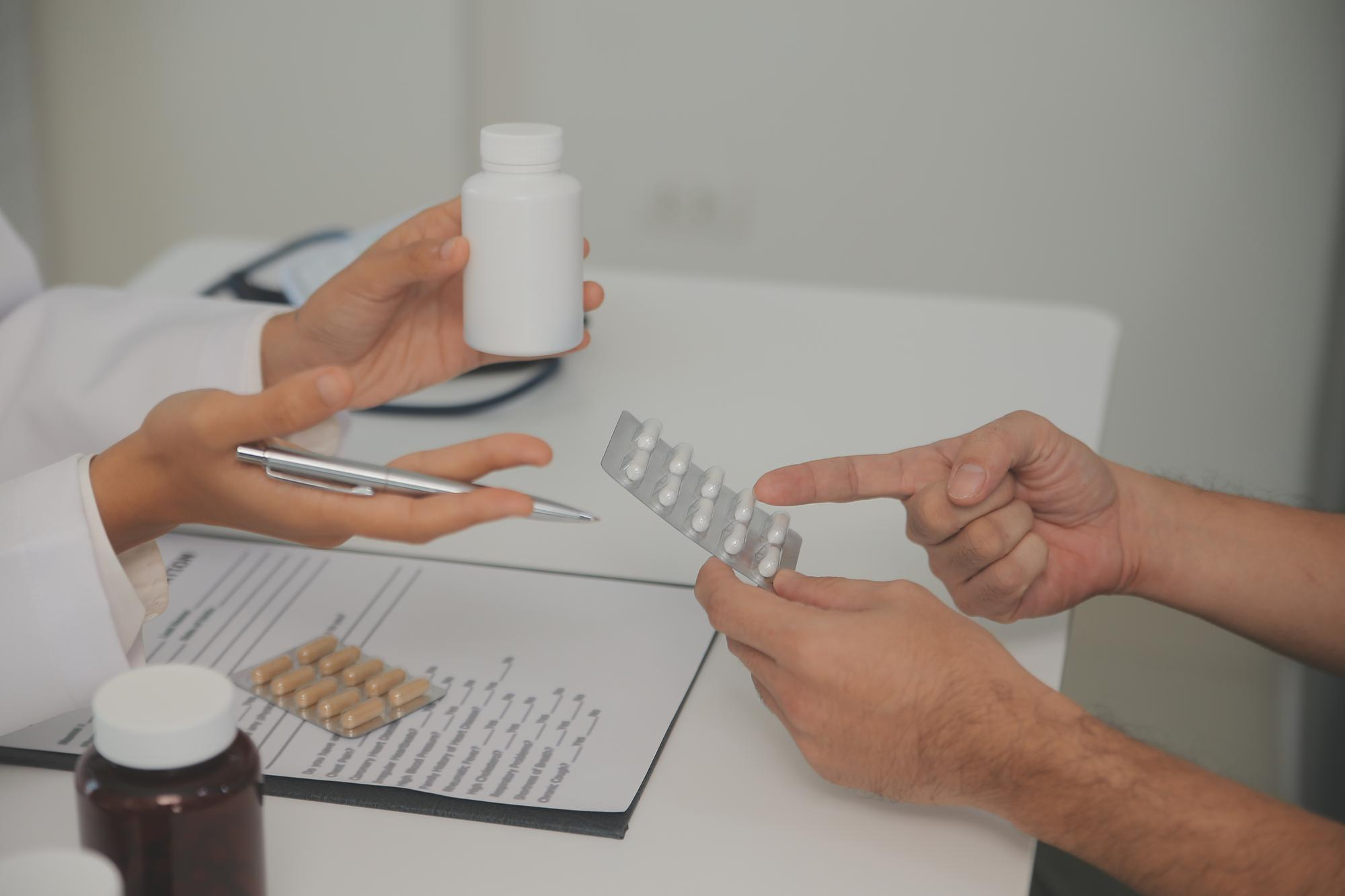
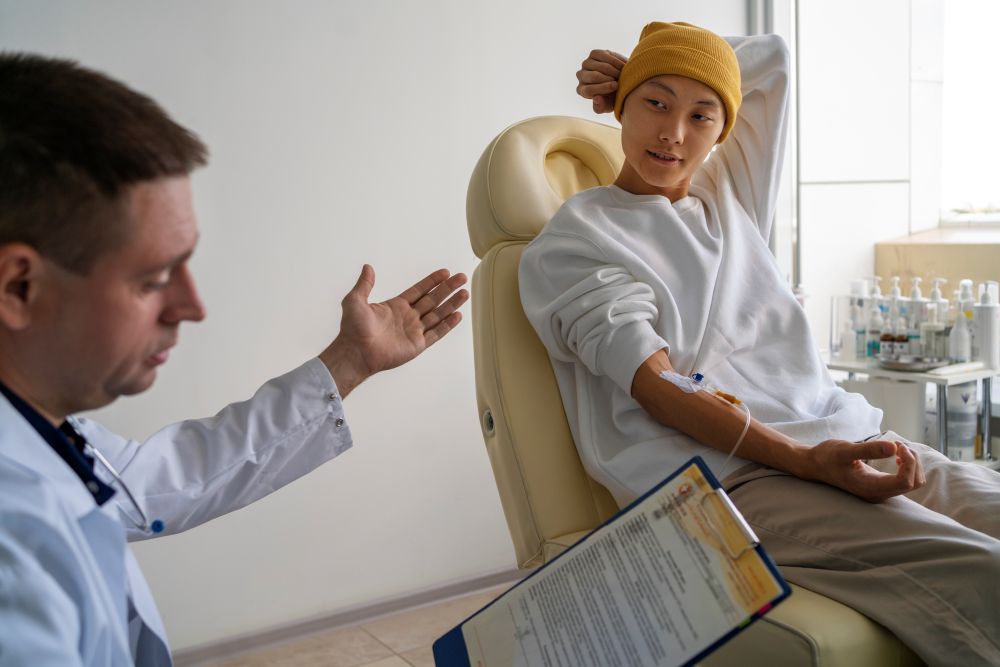
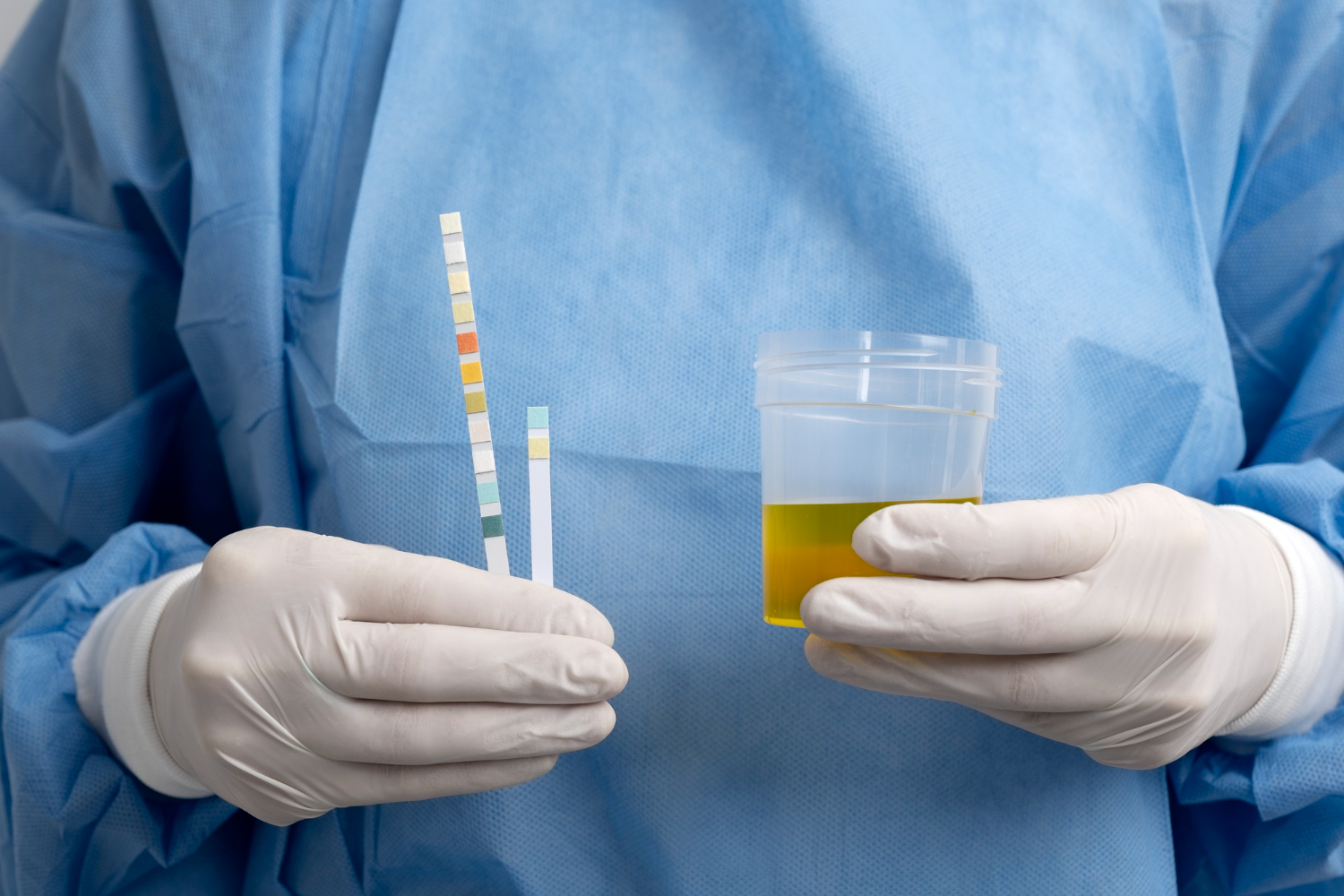
The medical assessment shapes the rest of the stay. A physician or nurse records vital signs, orders bloodwork, and takes a full history. What was used, how much, how recently, and what else is going on medically. Every patient also receives a psychiatric evaluation at intake. A mental health condition sitting underneath the substance use changes both the detox medications and the rehab plan that follows. By the end of day one, the team knows the withdrawal risks, the right medications, and roughly how long stabilization will take.

‍

How Stabilization Works Day by Day

Stabilization is the middle stretch, and it rarely runs in a straight line. Symptoms build, peak, then ease, and the peak lands at a different point depending on the substance. Our nurses check vital signs on a set schedule and more often when something changes. Doses get adjusted against what the patient is actually experiencing, not against a plan written on day one.

Here is how the stages usually run for a patient detoxing with us.

Stage Typical timing What the clinical team is doing
Intake and assessment Day 1 Medical history, bloodwork, vital signs, psychiatric evaluation, medication plan
Early withdrawal Day 1 to 2 Symptom monitoring, first medications, hydration and nutrition support
Peak withdrawal Day 2 to 4 Close observation, dose adjustments, seizure risk management where relevant
Settling Day 4 to 6 Symptoms ease, sleep improves, rehab plan built with the patient

A patient detoxing from alcohol is watched for seizures and for delirium tremens, a severe withdrawal state that can prove fatal without treatment. Someone coming off opioids faces less lethal risk but far more discomfort. The pain, nausea, and insomnia are what drive people to walk out and use again. Both are managed with medication, and both are managed in a bed rather than a waiting room.

Worried about what withdrawal could look like for you or someone you love? Call (646) 347-1891, and our admissions team will talk through what’s been used and what the first days of detox involve. The call is confidential and free.

‍

What the Rest of the Day Looks Like

Detox is not twenty-four hours of lying still, and patients eat proper meals that our nutritionists pay close attention to. Long stretches of heavy substance use leave most people deficient in something. Sleep breaks up badly in the early days, so the team builds in rest when a patient can actually take it.

Contact with counselors begins before detox ends. A certified alcohol and substance abuse counselor or a licensed mental health counselor will introduce themselves and sit down for a short conversation. Nothing heavy gets asked in those first sessions. The point is familiarity, so the move into inpatient care on day six feels like a continuation rather than a fresh start with strangers, which is the practical difference between medical detox and inpatient rehab when both stages share one team.

‍

How the Handover into Inpatient Rehab Works

When a patient is medically stable, they move into inpatient rehabilitation. The move happens inside the same building, usually on the same day. The records and the clinical team stay the same, and there is no discharge, no transport, and no second intake. Nobody who has just cleared withdrawal ends up standing on a sidewalk deciding what to do next.

That window matters more than almost anything else in early recovery. Tolerance drops fast during detox. A relapse in the days immediately after carries a much higher overdose risk than the same use would have carried a week earlier. Keeping both stages under one roof removes the gap. The inpatient program runs up to 28 days, and everything that follows is shaped by the first 72 hours of inpatient rehab, when care is at its most structured. Behind it sit residential treatment, partial hospitalization, and outpatient programs, so the step-down happens gradually.

‍

What to Bring and How to Prepare

Bring identification, an insurance card, and a written list of current medications with doses. Comfortable clothing for about a week covers most of what people use. Basic toiletries and a small amount of cash are worth packing. Leave valuables at home. Our admissions team confirms what is permitted before arrival, so nothing has to be turned away at the door.

Work and family obligations are the two things people try to settle before they call. That order is usually backward. Detox runs 5 to 6 days, and inpatient rehab runs up to 28. Many employers are obliged to grant leave under the Family and Medical Leave Act, which covers addiction treatment. Our team can explain those options during intake rather than leaving a family to work it out while somebody is still drinking or using.

‍

Frequently Asked Questions

What is the difference between detox and inpatient rehabilitation?

Detox clears the substance from the body under constant medical supervision and addresses physical withdrawal, which typically lasts 5 to 6 days here. Inpatient rehabilitation comes next and focuses on the behavioral and psychological side of addiction through individual and group therapy. The two are separate stages, and understanding how they differ is worth doing before choosing a facility. At this center, both take place in the same location with no gap between them.

Is medical detox supervised around the clock?

Yes. Our detox program is fully inpatient with medical staff, including doctors and nurses, available 24 hours a day, 7 days a week. Patients are monitored continuously throughout the withdrawal process and receive medication to manage symptoms as needed.

Do I have to be sober to be admitted to detox?

No. Patients are admitted while still using or immediately after stopping. The process is built for people who are actively dependent. Arriving under the influence does not delay admission or change how the team treats you.

Is alcohol detox medically dangerous without supervision?

Yes. Alcohol withdrawal can cause seizures and a condition called delirium tremens, which can be fatal without medical intervention. Anyone with significant alcohol dependence should not attempt to stop drinking without medical supervision. Our detox program is built to manage those risks safely.

Does insurance cover detox?

Most major plans cover medically supervised detox, and we accept Medicaid, military insurance and most private plans. Coverage is verified before the patient arrives, so there are no surprises at intake.

‍

Contact Us to Start Detox in New York City

We will ask what substance is involved, how long it has been going on, and what insurance you hold. Then we will tell you plainly what the next step looks like. If you are calling for a husband, a daughter, or a friend, our staff have that conversation several times a day.

Admissions are open 24 hours a day, every day of the year, weekends and holidays included. Call (646) 347-1891 to speak with our admissions team. The call is confidential and free, and you do not need to have made a decision before you pick up the phone.

‍

Related Topics:

‍

Posted on
October 16, 2026

Alcohol vs Drug Detox: Medical Supervision Differences

Posted on
October 16, 2026

Withdrawal Symptoms Timeline by Substance

Posted on
October 16, 2026

Medical Screening Process Before Detox in New York Rehab Centers Explained

Posted on
October 16, 2026

Medications Used During Detox in New York Rehab Centers

Posted on
October 16, 2026

Can You Enter Inpatient Rehab Without Completing Detox in New York?

Posted on
October 16, 2026

How Long Does Detox Last Before Inpatient Rehab in New York?

Posted on
September 27, 2026

Building a Relapse Prevention Plan After Rehab

Posted on
September 27, 2026

How Living Environment Impacts Long-Term Recovery Outcomes in New York

Posted on
September 27, 2026

How Data Is Used to Improve Treatment Outcomes in New York Rehab Centers

Posted on
September 27, 2026

How Rehab Centers in New York Track and Improve Recovery Outcomes

Posted on
September 27, 2026

Sober Living Homes in New York: Do You Need One After Rehab?

Posted on
September 27, 2026

What Happens After Rehab? Aftercare Planning Explained

Posted on
September 27, 2026

Is Inpatient Rehab Effective for Long-Term Recovery in New York?

Posted on
August 26, 2026

Role of Family Therapy in Addiction Recovery Programs

Posted on
August 26, 2026

Trauma-Informed Care in New York Inpatient Rehab Centers

Posted on
August 26, 2026

When Group Therapy Is More Effective Than Individual Therapy in New York Rehab Programs

Posted on
August 26, 2026

Cognitive Behavioral Therapy (CBT) in New York Rehab Programs Explained

Posted on
August 26, 2026

Evidence-Based vs Holistic Therapies in New York Rehab Centers: Which One Actually Works Best?

Posted on
October 2, 2026

How Does Medication-Assisted Treatment (MAT) Work in Inpatient Rehab?

Posted on
August 26, 2026

What Therapies Are Used in Inpatient Rehab in New York?
Posted on
October 2, 2026

Transitioning from Inpatient Rehab to Outpatient Care

Posted on
August 6, 2026

Employment Protection Laws for Rehab Patients in New York Explained

Posted on
October 2, 2026

Comparing IOP, PHP, and Inpatient Rehab in New York

Posted on
August 6, 2026

Clinical Criteria Doctors Use to Recommend Inpatient Rehab in New York

Posted on
August 6, 2026

What Level of Care Is Right for Your Addiction Severity in New York?

Posted on
August 6, 2026

How Misdiagnosis of Addiction Severity Affects Treatment Outcomes in New York Rehab

Posted on
October 2, 2026

When Outpatient Rehab Fails: When to Move to Inpatient

Posted on
June 23, 2026

Can You Be Forced Into Rehab in New York? Legal Options Explained

Posted on
June 15, 2026

Medical Detox vs Inpatient Rehab in New York: What's the Difference?

Posted on
June 15, 2026

Emergency Rehab Admissions in New York: What to Do

Posted on
June 15, 2026

Waitlists and Availability: How Fast Can You Enter Rehab in New York?

Posted on
June 23, 2026

What Are the Admission Requirements for Inpatient Rehab in New York?

Posted on
June 15, 2026

What Documents and Assessments Are Required for Rehab Admission?

Posted on
June 15, 2026

How to Get Someone Into Inpatient Rehab in New York

Posted on
May 21, 2026

Financial Assistance Programs for Rehab in New York

Posted on
August 7, 2026

Cost Differences Between Urban and Upstate Rehab Centers in New York

Posted on
August 7, 2026

State-Funded vs Private Inpatient Rehab Centers in New York

Posted on
May 21, 2026

Private Pay vs Insurance: Paying for Rehab in New York Explained

Posted on
August 26, 2026

Is Luxury Rehab Worth It in New York? Cost vs Value Breakdown

Posted on
August 3, 2026

In-Network vs Out-of-Network Rehab Coverage in New York Explained

Posted on
May 21, 2026

What Factors Influence the Cost of Inpatient Rehab in New York?

Posted on
April 30, 2026

What Determines the Length of Stay in New York Inpatient Rehab Programs?

Posted on
October 2, 2026

What Happens During the First 72 Hours in Inpatient Rehab in New York

Posted on
May 4, 2026

How Treatment Plans Are Adjusted During Inpatient Rehab in New York

Posted on
May 4, 2026

Inpatient vs Partial Hospitalization Programs (PHP) in New York: Key Differences

Posted on
May 4, 2026

What Types of Addiction Are Treated in New York Inpatient Rehab Centers?

Posted on
May 4, 2026

What Milestones Indicate Progress During Inpatient Rehab in New York

Posted on
October 2, 2026

Who Is a Good Candidate for Inpatient Rehab in New York?

Posted on
October 2, 2026

How to Determine If You Need Inpatient Rehab in New York

Posted on
October 2, 2026

How Inpatient Rehab Works in New York: What to Expect

Posted on
October 2, 2026

The Benefits of Choosing Inpatient Rehab Over Outpatient Care

Posted on
March 22, 2026

How to Choose the Right Inpatient Rehab Program in New York

Posted on
October 2, 2026

What Are the Signs You Need Inpatient Rehab in New York?

Posted on
August 7, 2026

Why Alcohol Detox Centers Are Essential for Overcoming Addiction

Posted on
February 15, 2026

What Is Alcohol Detox? Understanding the Process and Benefits

Posted on
August 7, 2026

Effective Detox for Teens: A Healthy Approach to Cleanse

Posted on
February 15, 2026

Best Medications for Alcohol Withdrawal Syndrome

Posted on
February 15, 2026

What Are the Best Methods for Alcohol Detox

Posted on
August 7, 2026

How Long Does a Drug Detox Last? A Timeline Explained

Posted on
January 19, 2026

How to Naturally Detox Your Body for a Drug Test

Posted on
October 2, 2026

How Long Does Drug Detox Take From Start to Stabilization

Posted on
October 2, 2026

How to Safely and Responsibly Drug Detox at Home

Posted on
October 2, 2026

What Is Drug Detox Like for Someone Entering Treatment for the First Time

Posted on
February 28, 2026

Top Advantages of Inpatient Drug Rehabilitation

Posted on
February 28, 2026

Acute Inpatient Drug Rehab: What You Need to Know

Posted on
October 2, 2026

Inpatient Drug Rehab Explained

Posted on
February 28, 2026

What Is an Inpatient Drug Rehabilitation Facility

Posted on
February 28, 2026

What Are the Essentials to Pack for Inpatient Drug Rehab?

Posted on
August 7, 2026

What You Should Know About Percocet

Posted on
February 28, 2026

What Enablers Do and How It Affects Addiction Patterns

Posted on
August 7, 2026

What is the Dope Drug and Why is It Used?

Posted on
February 28, 2026

How to Know If Your Weed is Laced

Posted on
February 28, 2026

What is a Dab and How Do Concentrates Compare?

Posted on
August 7, 2026

How to Slowly Detox From Alcohol: Natural Ways to Start

Posted on
October 23, 2025

Inpatient Alcohol Rehab Cost: What You Need to Know

Posted on
October 29, 2025

The Best Ways to Get Sober From Alcohol Without Rehab

Posted on
August 7, 2026

The True Cost of Alcohol Rehab Without Insurance Explained

Posted on
October 29, 2025

What is the Success Rate of Alcohol Rehab Programs?

Posted on
September 25, 2025

The Truth Behind How Long Muscle Relaxers Stay in Your System

Posted on
September 25, 2025

How Sprayed Weed Affects Your Body During Detox and Rehabilitation

Posted on
September 25, 2025

Understanding How Long Doxycycline Stays in Your System

Posted on
September 25, 2025

Does Ketamine Show Up on a 12 Panel Drug Test

Posted on
September 24, 2025

How Long Does It Take for Weed to Leave Your System?

Posted on
August 7, 2026

What to Expect in Outpatient Rehab: Common Challenges and How to Overcome Them

Posted on
August 7, 2026

What Is Outpatient Cardiac Rehab: Key Facts and Information

Posted on
August 7, 2026

How Effective Is Outpatient Rehab: Key Insights You Need to Know

Posted on
August 7, 2026

A Deep Dive Into How Outpatient Drug Rehab Works

Posted on
August 24, 2025

The Length of an Adderall Outpatient Rehab Program Explained

Posted on
July 20, 2025

Dopamine Detox Timeline: A Step-by-Step Guide to Reclaiming Focus

Posted on
July 21, 2025

Alcohol Recovery Steps: How to Achieve Sustainable Sobriety

Posted on
July 20, 2025

How Long Does Alcohol Stay in Urine: Facts and Myths Explained

Posted on
July 20, 2025

Can a Urine Drug Test Show How Much You Take: Factors That Matter

Posted on
July 20, 2025

What Do Muscle Relaxers Do: A Look at Their Side Effects and Benefits

Posted on
August 7, 2026

The True Cost of Drug Rehab Without Insurance: What to Expect

Posted on
October 2, 2026

Drug Rehab Success Rate: What You Need to Know Before Seeking Help

Posted on
June 22, 2025

Rapid Drug Detox: A Fast and Effective Solution for Addiction Recovery

Posted on
September 19, 2025

What Does Meth Smell Like and Why It's Hard to Ignore

Posted on
October 2, 2026

Drug Detox Timeline: Key Stages and What to Know

Posted on
August 7, 2026

How Long Is Inpatient Drug Rehab: Typical Durations Explained

Posted on
October 2, 2026

What Happens in Drug Rehab: From Admission to Aftercare