Medical Screening Process Before Detox in New York Rehab Centers Explained

Published on

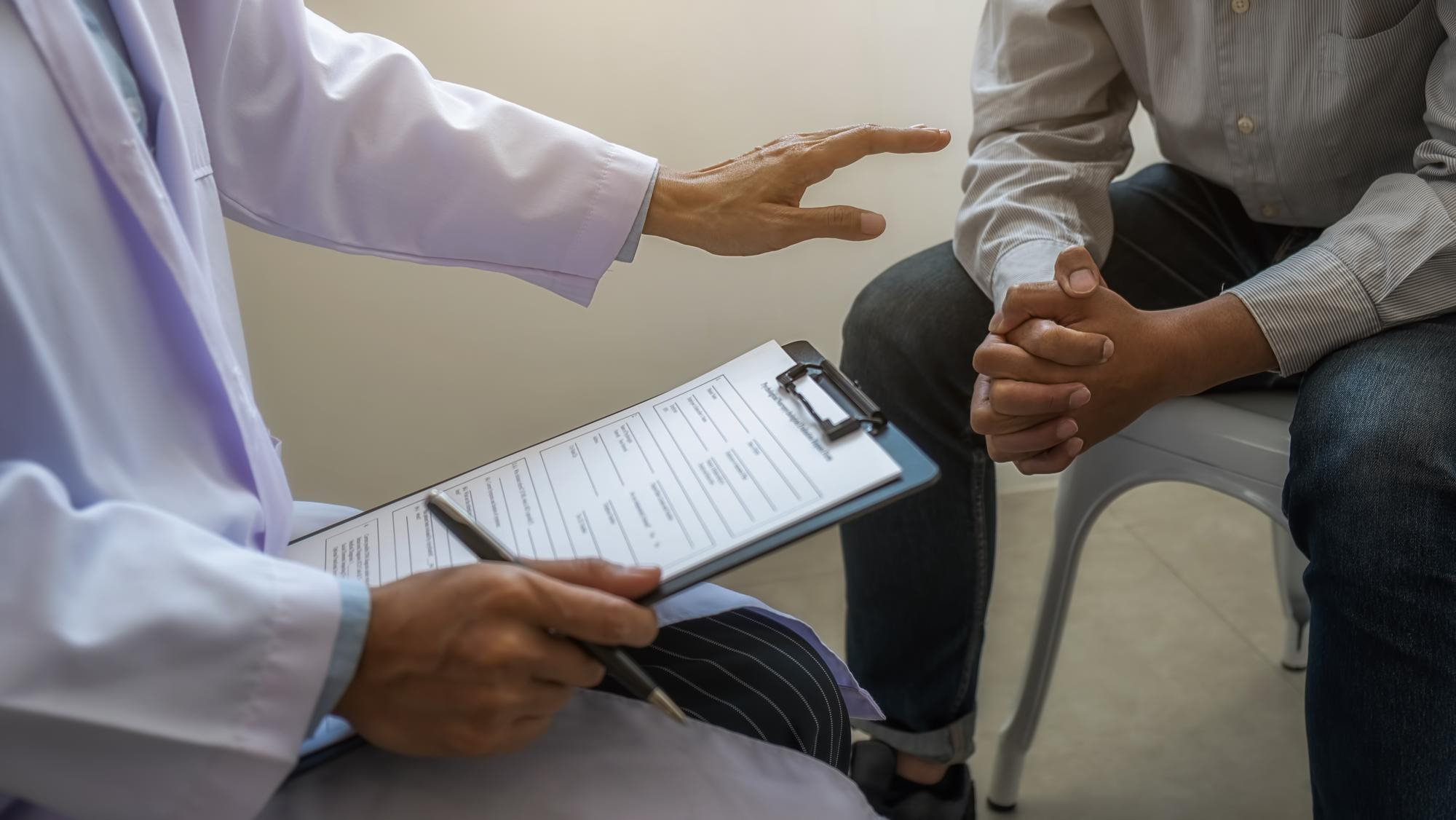
The screening before detox is the most consequential hour of the whole admission. Everything that follows is built on what it finds, starting with withdrawal risk and the medication plan. It flags any condition that changes how the body will cope. It also identifies the mental health picture sitting underneath the substance use.

Every patient admitted to a trusted rehab center in New York City completes that screening, handled by physicians, registered nurses and psychiatric staff drawn from a clinical team of more than 125 people. Nothing gets skipped because somebody arrived at three in the morning.

‍

What the Screening Is Trying to Establish

The core question is whether this body can stop this substance safely, and what has to be given to make that true. Two patients using the same drug at the same quantity can need entirely different protocols. Age, organ function and other medical conditions all move the answer. The screening is how a clinician stops guessing.

A second question runs alongside it, which is what level of care this person actually needs. Some patients turn out not to require medically managed detox at all. Others need more than detox and rehabilitation, or need a medical condition stabilized before withdrawal management can begin safely. Reaching those conclusions at intake is far better than finding them on day three. It is one of the practical reasons we keep physicians on site rather than on call.

‍

The Medical History

A clinician takes a full substance history. What has been used, in what quantity, how often, and when the last dose was. Patients frequently understate this, usually from embarrassment rather than deception. Our staff are trained to ask in a way that does not make the number feel like a verdict. The honest figure changes the medication dose, so there is a practical reason to get it right.

Previous withdrawal experiences carry particular weight. A patient who has had a seizure coming off alcohol is at high risk of another. That history alone moves them into a more intensive protocol. The clinician also records every current medication, including anything prescribed for a psychiatric condition, since several common prescriptions interact badly with detox medications. Past treatment attempts get logged too. Patterns among the mental health conditions that lead to addiction often show up here before anyone has named them.

‍

The Physical Examination and Bloodwork

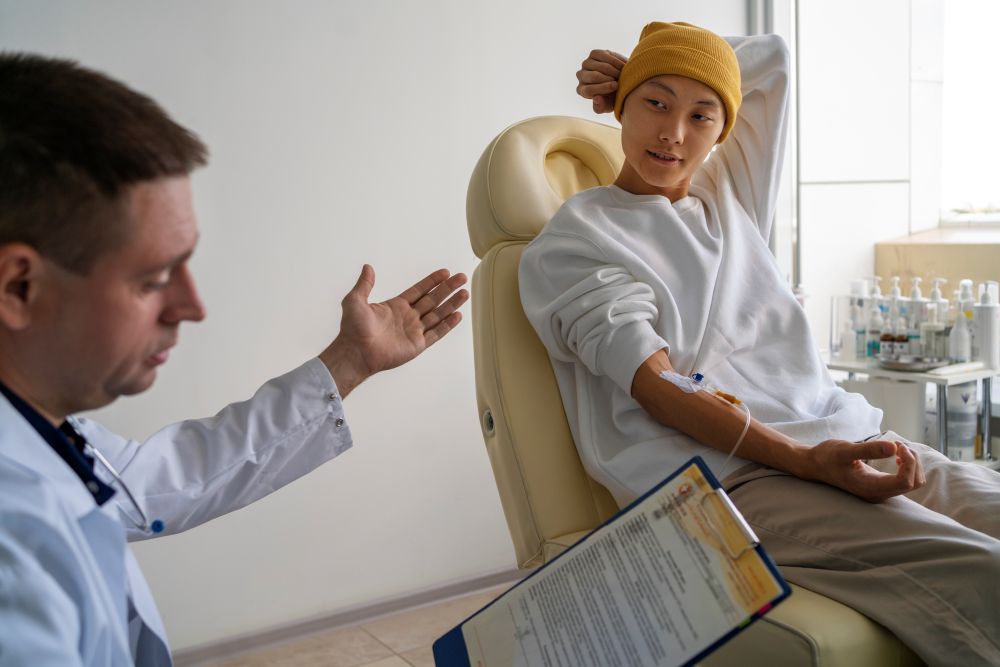
Vital signs are taken immediately and then repeatedly, so blood pressure, pulse, temperature and respiratory rate establish a baseline. The direction they move over the following hours is the most useful indicator the nursing team has. A rising pulse in an alcohol patient is an early signal, and it gets acted on long before the patient feels anything.

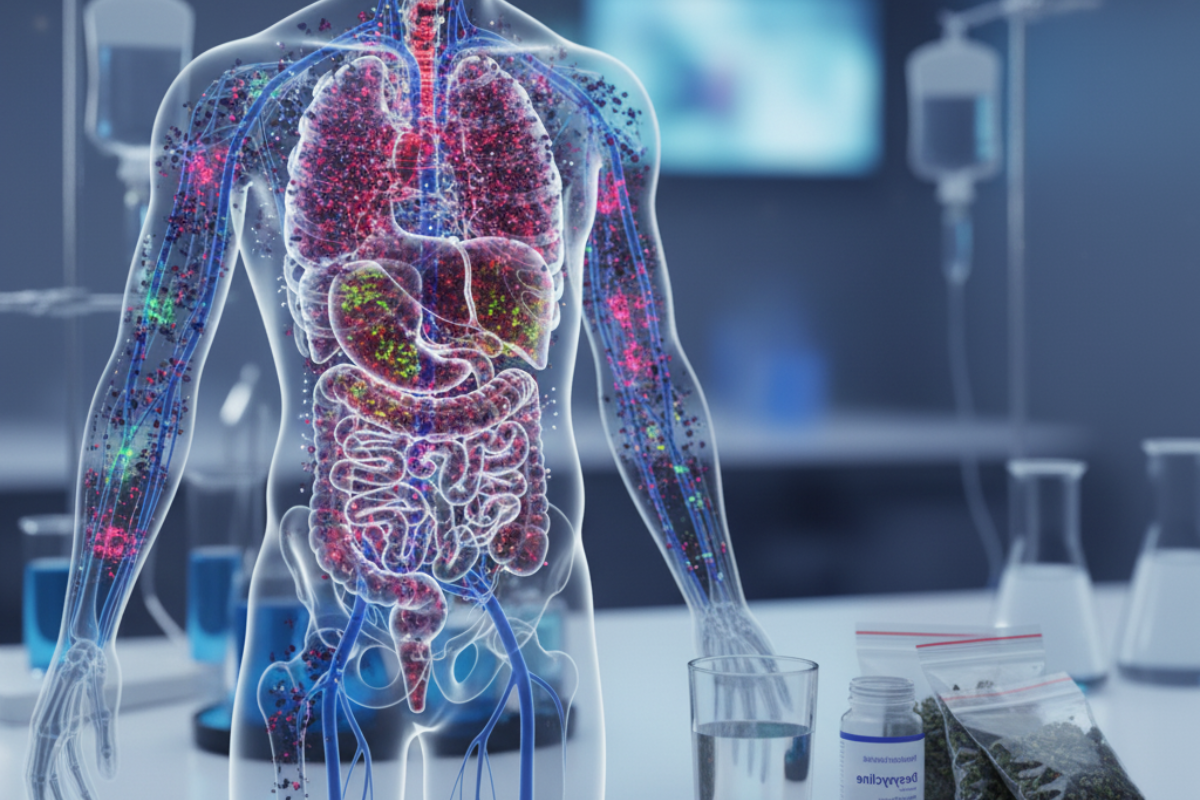
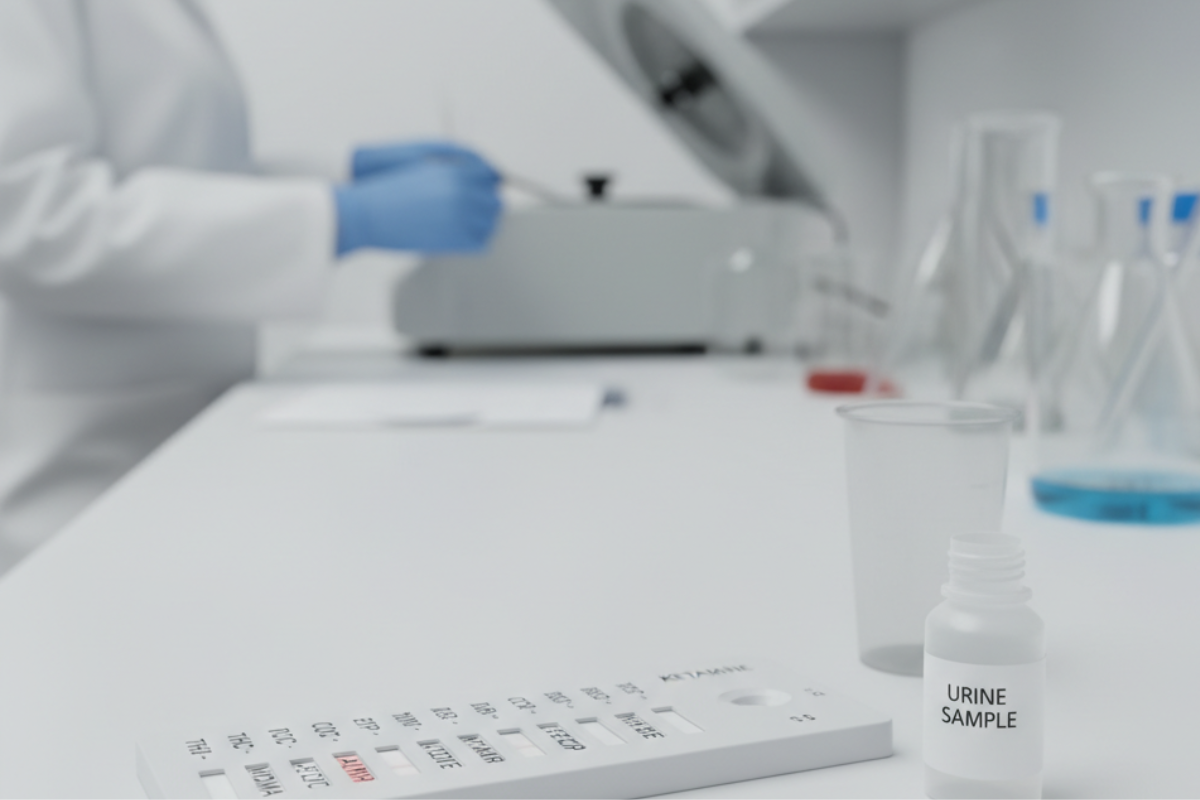
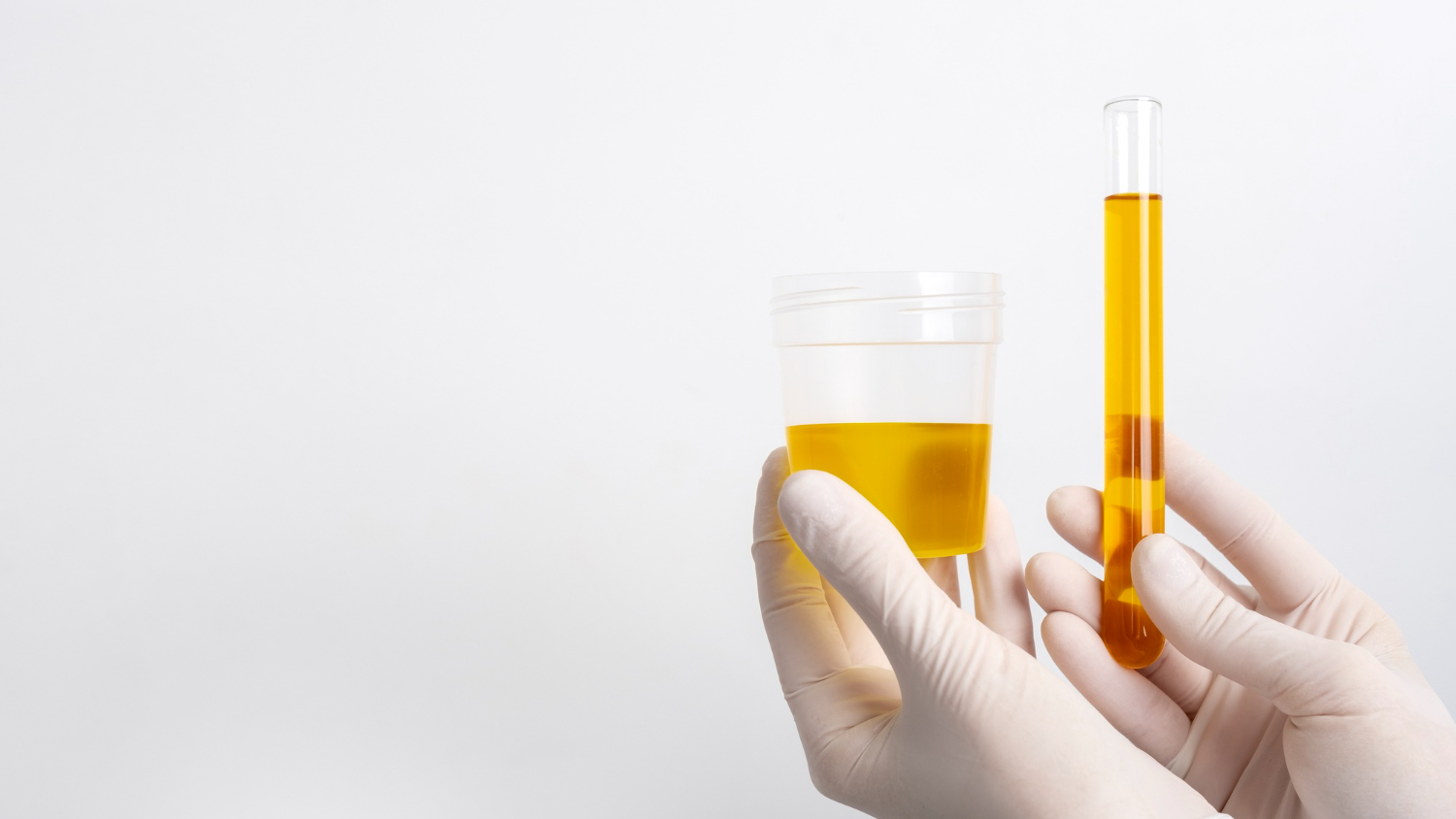
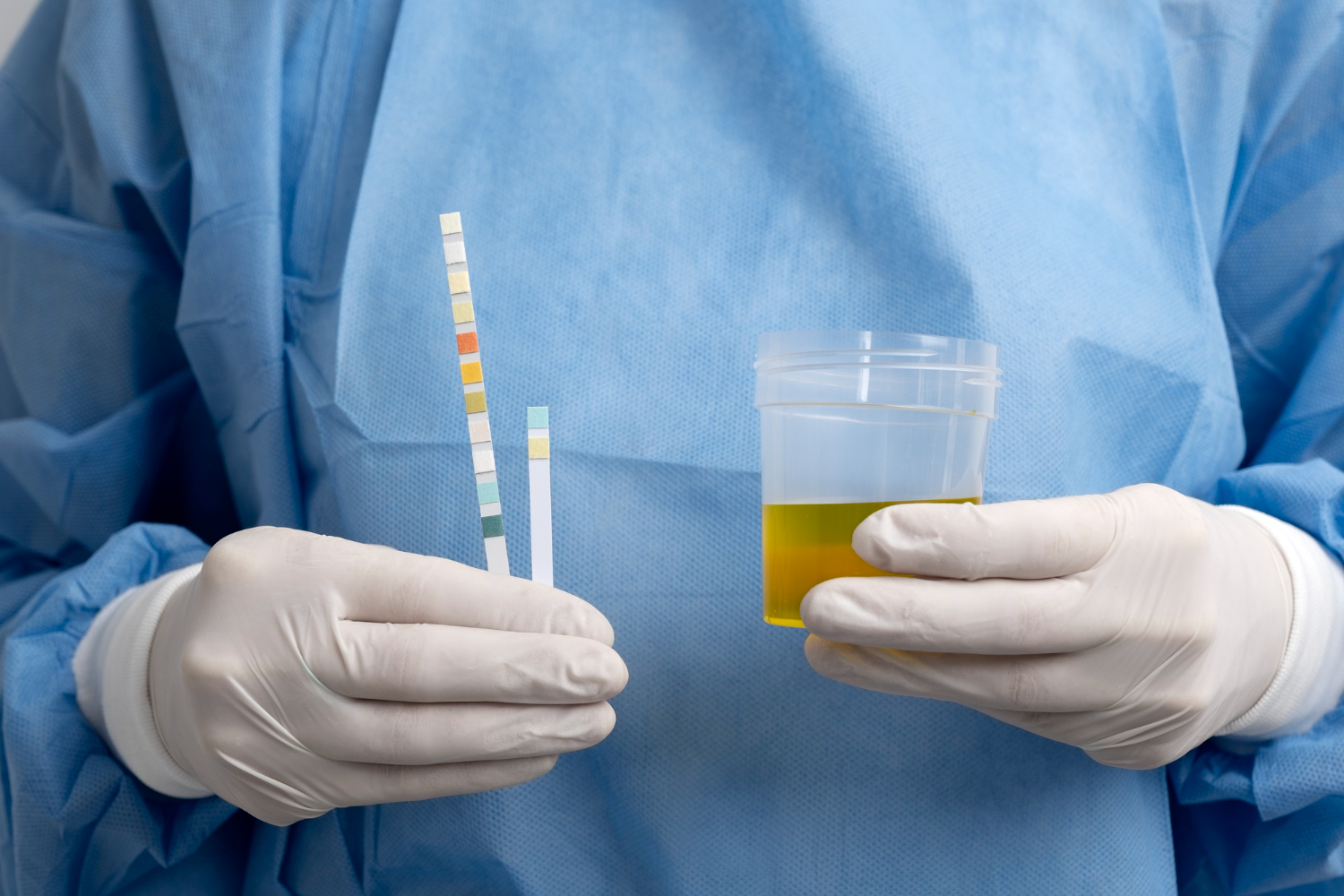
Bloodwork covers liver and kidney function, electrolytes, blood count and a toxicology panel. Liver function matters because a damaged liver processes both alcohol and medication differently, which changes dosing. Electrolyte imbalance is common in people who have been drinking heavily or vomiting for days. Correcting it is often the quickest improvement a patient feels. The toxicology panel is not a test anyone passes or fails. It exists because mixed substance use is the norm, and a benzodiazepine nobody mentioned will change the entire plan.

‍

The Psychiatric Evaluation

Every patient we admit receives a psychiatric evaluation at intake, not only those who arrive with a diagnosis. Depression, anxiety, PTSD and bipolar disorder sit underneath a large share of substance use disorders. In many cases the substance was the patient's attempt to manage a condition nobody had named for them.

Identifying this before detox begins changes two things. It changes which medications are safe during withdrawal, since some psychiatric medications cannot be stopped abruptly. It also changes the plan that follows. Both conditions are addressed at once through integrated dual diagnosis treatment, rather than queuing the mental health work behind the addiction work. Treating one and ignoring the other is among the most common reasons people relapse after completing a program.

‍

What Else the Screening Covers

Alongside the clinical work, several practical things get settled before detox starts.

  • Insurance verification. Our admissions team confirms coverage before the patient arrives, so cost is not an open question during withdrawal.
  • Current prescriptions. Every medication is listed with its dose, including anything bought without a prescription.
  • Pregnancy status. This changes the detox protocol substantially and is checked rather than assumed.
  • Home environment. Whether there are substances in the house, and who the patient returns to, shapes the discharge plan from day one.
  • Consent and confidentiality. Patient information is protected under HIPAA, and nothing is shared outside the care team without written consent.

Most of that moves faster than people expect. The documents and assessments needed for admission are straightforward, and our staff handle the paperwork so the clinical team can concentrate on the examination. The clinical portion is the part that cannot be hurried.

Not sure what to have ready before the screening? Call (646) 347-1891, and our admissions team will walk you through what to bring and what the clinical team will ask. The line is open 24 hours a day and the call is confidential.

‍

How the Findings Build the Detox Plan

By the end of the screening the physician has a withdrawal risk level and a medication plan. A monitoring schedule and a provisional length of stay come with it. A patient flagged as high risk for seizures gets more frequent observation and a different medication class than one detoxing from stimulants. The nursing team receives thresholds, meaning the specific readings that trigger an escalation. Nobody relies on judgment calls in the middle of the night.

The plan is a starting point rather than a fixed document. Withdrawal moves, and our team adjusts doses and monitoring intervals against what the patient actually shows. Detox typically runs 5 to 6 days. The physician confirms stability before the patient moves into inpatient rehabilitation here in Harlem, New York. The same records and the same clinical team carry forward.

Accuracy during this hour is worth more than anything a patient can bring in a bag. The plan is only as good as the history it is built on.

‍

What Patients Should Bring to Make It Work

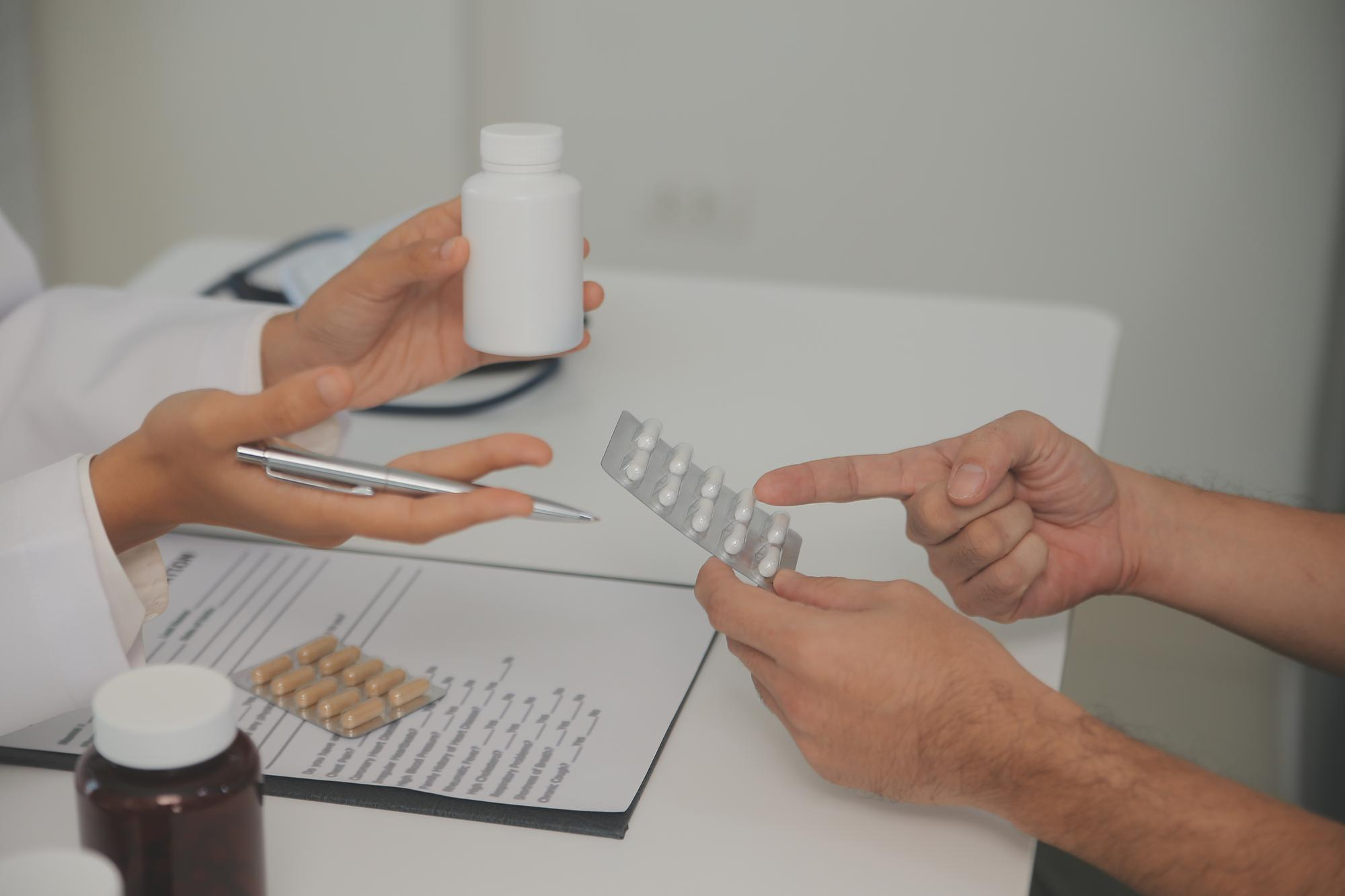
Identification, an insurance card, and a written list of current medications with doses will cover most of what the screening needs. If there has been a recent hospital visit, bringing the discharge paperwork saves considerable time. It occasionally changes the protocol outright.

The more useful preparation is mental, because the whole screening works on accuracy. The two areas where patients most often round the numbers down are quantity and recency. Nobody on our clinical team is keeping score. A physician asking how much you drank yesterday is calculating a dose. An answer that is half the truth produces a plan built for a different person.

‍

What to Do With This Before Admission

Write the list before the day arrives. Substances, quantities, last use, current prescriptions, past withdrawal episodes, and any hospital visit in the last year. Ten minutes with a pen removes most of the friction from an hour that will otherwise run on memory while somebody is unwell.

If you are arranging this for a family member, write your own version too. People in active addiction consistently underestimate their intake. A second account gives the physician a range to work with rather than one number that may be low. The clinical team will reconcile the two without anybody being confronted about it.

‍

Write the list before the day arrives, then call our Harlem, New York City admissions team at (646) 347-1891, any hour of any day. We’ll talk through the screening, verify your insurance and tell you plainly what the next step looks like.

‍

Related Topics:

‍

Posted on
October 16, 2026

Alcohol vs Drug Detox: Medical Supervision Differences

Posted on
October 16, 2026

Withdrawal Symptoms Timeline by Substance

Posted on
October 16, 2026

Medications Used During Detox in New York Rehab Centers

Posted on
October 16, 2026

Can You Enter Inpatient Rehab Without Completing Detox in New York?

Posted on
October 16, 2026

How Long Does Detox Last Before Inpatient Rehab in New York?

Posted on
October 16, 2026

What Happens During Detox Before Inpatient Rehab in New York?

Posted on
September 27, 2026

Building a Relapse Prevention Plan After Rehab

Posted on
September 27, 2026

How Living Environment Impacts Long-Term Recovery Outcomes in New York

Posted on
September 27, 2026

How Data Is Used to Improve Treatment Outcomes in New York Rehab Centers

Posted on
September 27, 2026

How Rehab Centers in New York Track and Improve Recovery Outcomes

Posted on
September 27, 2026

Sober Living Homes in New York: Do You Need One After Rehab?

Posted on
September 27, 2026

What Happens After Rehab? Aftercare Planning Explained

Posted on
September 27, 2026

Is Inpatient Rehab Effective for Long-Term Recovery in New York?

Posted on
August 26, 2026

Role of Family Therapy in Addiction Recovery Programs

Posted on
August 26, 2026

Trauma-Informed Care in New York Inpatient Rehab Centers

Posted on
August 26, 2026

When Group Therapy Is More Effective Than Individual Therapy in New York Rehab Programs

Posted on
August 26, 2026

Cognitive Behavioral Therapy (CBT) in New York Rehab Programs Explained

Posted on
August 26, 2026

Evidence-Based vs Holistic Therapies in New York Rehab Centers: Which One Actually Works Best?

Posted on
October 2, 2026

How Does Medication-Assisted Treatment (MAT) Work in Inpatient Rehab?

Posted on
August 26, 2026

What Therapies Are Used in Inpatient Rehab in New York?

Posted on
October 2, 2026

Transitioning from Inpatient Rehab to Outpatient Care

Posted on
August 6, 2026

Employment Protection Laws for Rehab Patients in New York Explained

Posted on
October 2, 2026

Comparing IOP, PHP, and Inpatient Rehab in New York

Posted on
August 6, 2026

Clinical Criteria Doctors Use to Recommend Inpatient Rehab in New York

Posted on
August 6, 2026

What Level of Care Is Right for Your Addiction Severity in New York?

Posted on
August 6, 2026

How Misdiagnosis of Addiction Severity Affects Treatment Outcomes in New York Rehab

Posted on
October 2, 2026

When Outpatient Rehab Fails: When to Move to Inpatient

Posted on
June 23, 2026

Can You Be Forced Into Rehab in New York? Legal Options Explained

Posted on
June 15, 2026

Medical Detox vs Inpatient Rehab in New York: What's the Difference?

Posted on
June 15, 2026

Emergency Rehab Admissions in New York: What to Do

Posted on
June 15, 2026

Waitlists and Availability: How Fast Can You Enter Rehab in New York?

Posted on
June 23, 2026

What Are the Admission Requirements for Inpatient Rehab in New York?

Posted on
June 15, 2026

What Documents and Assessments Are Required for Rehab Admission?

Posted on
June 15, 2026

How to Get Someone Into Inpatient Rehab in New York

Posted on
May 21, 2026

Financial Assistance Programs for Rehab in New York

Posted on
August 7, 2026

Cost Differences Between Urban and Upstate Rehab Centers in New York

Posted on
August 7, 2026

State-Funded vs Private Inpatient Rehab Centers in New York

Posted on
May 21, 2026

Private Pay vs Insurance: Paying for Rehab in New York Explained

Posted on
August 26, 2026

Is Luxury Rehab Worth It in New York? Cost vs Value Breakdown

Posted on
August 3, 2026

In-Network vs Out-of-Network Rehab Coverage in New York Explained

Posted on
May 21, 2026

What Factors Influence the Cost of Inpatient Rehab in New York?

Posted on
April 30, 2026

What Determines the Length of Stay in New York Inpatient Rehab Programs?

Posted on
October 2, 2026

What Happens During the First 72 Hours in Inpatient Rehab in New York

Posted on
May 4, 2026

How Treatment Plans Are Adjusted During Inpatient Rehab in New York

Posted on
May 4, 2026

Inpatient vs Partial Hospitalization Programs (PHP) in New York: Key Differences

Posted on
May 4, 2026

What Types of Addiction Are Treated in New York Inpatient Rehab Centers?

Posted on
May 4, 2026

What Milestones Indicate Progress During Inpatient Rehab in New York

Posted on
October 2, 2026

Who Is a Good Candidate for Inpatient Rehab in New York?

Posted on
October 2, 2026

How to Determine If You Need Inpatient Rehab in New York

Posted on
October 2, 2026

How Inpatient Rehab Works in New York: What to Expect

Posted on
October 2, 2026

The Benefits of Choosing Inpatient Rehab Over Outpatient Care

Posted on
March 22, 2026

How to Choose the Right Inpatient Rehab Program in New York

Posted on
October 2, 2026

What Are the Signs You Need Inpatient Rehab in New York?

Posted on
August 7, 2026

Why Alcohol Detox Centers Are Essential for Overcoming Addiction

Posted on
February 15, 2026

What Is Alcohol Detox? Understanding the Process and Benefits

Posted on
August 7, 2026

Effective Detox for Teens: A Healthy Approach to Cleanse

Posted on
February 15, 2026

Best Medications for Alcohol Withdrawal Syndrome

Posted on
February 15, 2026

What Are the Best Methods for Alcohol Detox

Posted on
August 7, 2026

How Long Does a Drug Detox Last? A Timeline Explained

Posted on
January 19, 2026

How to Naturally Detox Your Body for a Drug Test

Posted on
October 2, 2026

How Long Does Drug Detox Take From Start to Stabilization

Posted on
October 2, 2026

How to Safely and Responsibly Drug Detox at Home

Posted on
October 2, 2026

What Is Drug Detox Like for Someone Entering Treatment for the First Time

Posted on
February 28, 2026

Top Advantages of Inpatient Drug Rehabilitation

Posted on
February 28, 2026

Acute Inpatient Drug Rehab: What You Need to Know

Posted on
October 2, 2026

Inpatient Drug Rehab Explained

Posted on
February 28, 2026

What Is an Inpatient Drug Rehabilitation Facility

Posted on
February 28, 2026

What Are the Essentials to Pack for Inpatient Drug Rehab?

Posted on
August 7, 2026

What You Should Know About Percocet

Posted on
February 28, 2026

What Enablers Do and How It Affects Addiction Patterns

Posted on
August 7, 2026

What is the Dope Drug and Why is It Used?

Posted on
February 28, 2026

How to Know If Your Weed is Laced

Posted on
February 28, 2026

What is a Dab and How Do Concentrates Compare?

Posted on
August 7, 2026

How to Slowly Detox From Alcohol: Natural Ways to Start

Posted on
October 23, 2025

Inpatient Alcohol Rehab Cost: What You Need to Know

Posted on
October 29, 2025

The Best Ways to Get Sober From Alcohol Without Rehab

Posted on
August 7, 2026

The True Cost of Alcohol Rehab Without Insurance Explained

Posted on
October 29, 2025

What is the Success Rate of Alcohol Rehab Programs?

Posted on
September 25, 2025

The Truth Behind How Long Muscle Relaxers Stay in Your System

Posted on
September 25, 2025

How Sprayed Weed Affects Your Body During Detox and Rehabilitation

Posted on
September 25, 2025

Understanding How Long Doxycycline Stays in Your System

Posted on
September 25, 2025

Does Ketamine Show Up on a 12 Panel Drug Test

Posted on
September 24, 2025

How Long Does It Take for Weed to Leave Your System?

Posted on
August 7, 2026

What to Expect in Outpatient Rehab: Common Challenges and How to Overcome Them

Posted on
August 7, 2026

What Is Outpatient Cardiac Rehab: Key Facts and Information

Posted on
August 7, 2026

How Effective Is Outpatient Rehab: Key Insights You Need to Know

Posted on
August 7, 2026

A Deep Dive Into How Outpatient Drug Rehab Works

Posted on
August 24, 2025

The Length of an Adderall Outpatient Rehab Program Explained

Posted on
July 20, 2025

Dopamine Detox Timeline: A Step-by-Step Guide to Reclaiming Focus

Posted on
July 21, 2025

Alcohol Recovery Steps: How to Achieve Sustainable Sobriety

Posted on
July 20, 2025

How Long Does Alcohol Stay in Urine: Facts and Myths Explained

Posted on
July 20, 2025

Can a Urine Drug Test Show How Much You Take: Factors That Matter

Posted on
July 20, 2025

What Do Muscle Relaxers Do: A Look at Their Side Effects and Benefits

Posted on
August 7, 2026

The True Cost of Drug Rehab Without Insurance: What to Expect

Posted on
October 2, 2026

Drug Rehab Success Rate: What You Need to Know Before Seeking Help

Posted on
June 22, 2025

Rapid Drug Detox: A Fast and Effective Solution for Addiction Recovery

Posted on
September 19, 2025

What Does Meth Smell Like and Why It's Hard to Ignore

Posted on
October 2, 2026

Drug Detox Timeline: Key Stages and What to Know

Posted on
August 7, 2026

How Long Is Inpatient Drug Rehab: Typical Durations Explained

Posted on
October 2, 2026

What Happens in Drug Rehab: From Admission to Aftercare