Medications Used During Detox in New York Rehab Centers

Published on

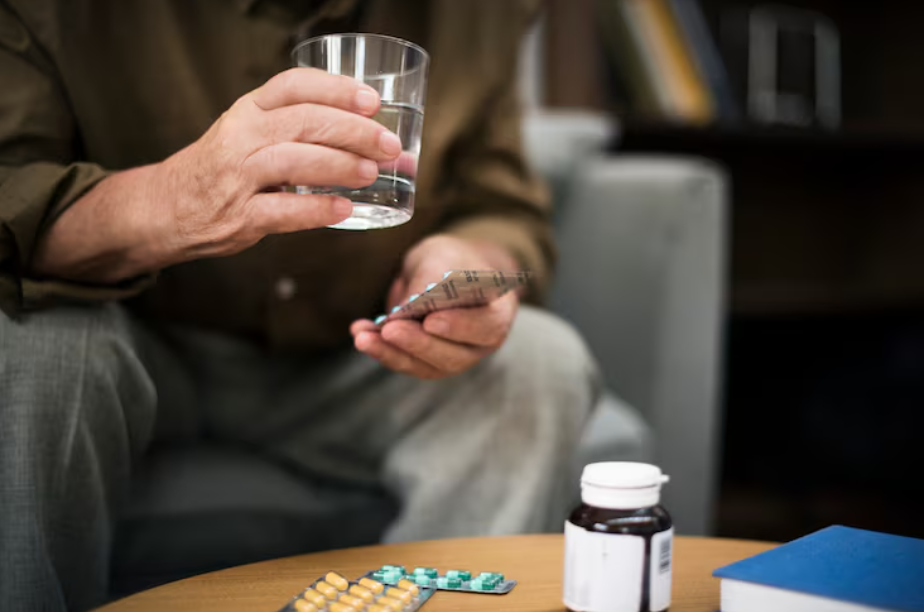
Detox medication is not one drug handed to everybody. Alcohol withdrawal is treated with one class of medication and opioid withdrawal with another. Stimulant withdrawal is managed largely with supportive care rather than a specific antidote. Our physicians and pharmacists build each plan from what the patient has been using and what the bloodwork shows.

That is how an inpatient rehab facility avoids treating a benzodiazepine dependence as though it were a heroin dependence. Every medication given at our Harlem site in New York, NY is prescribed under physician oversight and reviewed daily. Patients come to us from every borough of New York City.

‍

Medications for Alcohol Withdrawal

Benzodiazepines are the clinical standard for alcohol detox. That surprises families who have spent years watching one dependence wreck a household. The reasoning is pharmacological, because alcohol and benzodiazepines act on the same receptors. A controlled, tapering dose under supervision keeps the nervous system out of the seizure range while the alcohol clears.

The taper is the whole point. Doses are set against symptom severity and reduced steadily across the stay. They stop well before anything resembling a new dependence can form. Thiamine is given routinely alongside them, because heavy drinking depletes it and the deficiency causes lasting neurological damage.

Anticonvulsants are used in patients with a seizure history, and blood pressure medication is added where cardiovascular strain warrants it. Fluid and electrolyte replacement runs through all of it. That is among the more immediate benefits of a supervised alcohol detox compared with stopping alone.

‍

Medications for Opioid Withdrawal

Buprenorphine does most of the work here. It occupies the same receptors as heroin or oxycodone without producing the same high. That blunts withdrawal symptoms and reduces cravings enough that patients stay rather than leave. It is frequently dispensed in the combination form sold as Suboxone. Our physicians also use methadone where the clinical picture calls for it.

Comfort medications fill the gaps buprenorphine does not close. Clonidine settles the sweating, agitation and racing pulse, while anti nausea medication handles the vomiting. Sleep aids address the insomnia that otherwise runs for days and wears down a patient’s resolve faster than any single symptom.

Naltrexone enters later rather than during acute withdrawal, since it blocks opioid effects entirely and has to wait until the system is clear. Vivitrol, the long acting injectable form, is reviewed as patients move into rehabilitation. Where it fits after detox ends comes down to how medication assisted treatment works once the acute stage has passed.

‍

What Is Used for Stimulants and Other Substances
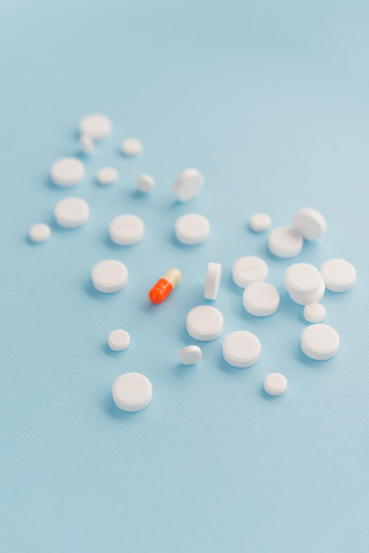
There is no equivalent medication for cocaine or methamphetamine withdrawal. The mechanism is different. No receptor substitute exists, and the symptoms are exhaustion, flattened mood and heavy cravings rather than a nervous system in crisis. Treatment is supportive, built around sleep, nutrition and psychiatric monitoring.

That does not mean nothing is prescribed, since sleep medication helps patients through the crash. Where paranoia or psychotic symptoms appear during methamphetamine withdrawal, psychiatric medication is used under close observation. Benzodiazepine detox follows the alcohol model instead, managed as a slow taper of the same drug class rather than an abrupt stop.

Patients dependent on more than one substance receive overlapping protocols. That is the most demanding scenario our clinical team handles. It is also the one that most clearly requires a physician on the floor rather than at the end of a phone.

‍

What Each Medication Is Actually For

Medication Used for What it does
Benzodiazepines Alcohol and benzodiazepine withdrawal Prevents seizures and calms an overactive nervous system
Thiamine Alcohol withdrawal Replaces a depleted vitamin and protects against neurological damage
Buprenorphine or Suboxone Opioid withdrawal Reduces withdrawal symptoms and cravings without the high
Methadone Opioid withdrawal Stabilizes patients where buprenorphine is not the right fit
Clonidine Opioid withdrawal Eases sweating, agitation and raised pulse
Naltrexone or Vivitrol After detox, opioid and alcohol use Blocks the effects of opioids and alcohol to reduce relapse risk
Anti nausea and sleep medication Most withdrawals Manages vomiting and insomnia so patients can rest

Nothing on that list treats addiction by itself. Each one manages a physical process so the therapeutic work has a chance of landing.

Patients and families sometimes arrive expecting a single named drug to be the answer. The table is a better guide to what actually happens. Most patients receive three or four of these at once, in doses that change daily.

Wondering which medications would be used for your situation? Call (646) 347-1891, and our admissions team will talk through what’s been used and how our physicians would build the plan. The line is open 24 hours a day and the call is confidential.

‍

Why Medication Alone Is Not the Treatment

This is where families most often misread what is happening. Medication clears the body and takes the edge off the symptoms. Nothing on the list addresses why a person started using or what they were managing with it. Nothing addresses what will be waiting at home in four weeks. A patient who receives excellent detox medication and then leaves is worse off than before, having lost tolerance while keeping every trigger intact.

Counseling runs alongside medication assisted treatment rather than being replaced by it. Physicians prescribe, review and adjust, while licensed mental health counselors and certified alcohol and substance abuse counselors handle the therapeutic work in parallel. The common objection, that this swaps one drug for another, does not hold up once you see how the medications are dosed. They are given at levels that control cravings without producing euphoria. Both SAMHSA and the American Society of Addiction Medicine treat this as first line care for opioid use disorder.

Any facility worth considering should be able to name which medications it stocks on site and who prescribes them. The answers vary more than most people expect.

‍

How Prescribing Works Across the Stay

Medication plans are written at intake from the screening findings, then rewritten daily against what the patient is actually showing on the floor. Withdrawal moves and doses move with it, while a pharmacist reviews everything being dispensed. That pharmacist sits in a clinical team of more than 125 staff, alongside medical doctors, registered nurses, nutritionists and continuing care managers. That depth is what lets dosing track a patient's symptoms instead of a fixed schedule.

Prescribing continues past detox. Cravings outlast physical withdrawal by weeks or months, so patients moving into inpatient rehabilitation frequently stay on medication while the therapy runs. At discharge, the aftercare plan names an outpatient prescriber so nothing stops abruptly at the door. Our continuing care managers arrange that handover before the patient leaves. The highest relapse risk falls in the first weeks after a program ends. An unbroken prescription is one of the few things that reliably lowers it.

‍

What to Ask Before You Choose

Three questions separate a well run detox from a thin one. Which medications are available on site. Does a physician prescribe them, or does a nurse administer from a standing order. Does medication continue after discharge, and who arranges the outpatient prescriber.

A facility that answers all three clearly is giving you a picture of how it actually operates. One that answers in general reassurances is telling you something too. The medication plan is where detox either works as medicine or runs as a holding pattern. The difference shows up in the first forty eight hours.

Ask us which medications we stock on site and who prescribes them. Call our Harlem, New York City admissions team at (646) 347-1891, any hour of any day, and we’ll explain how detox medication is prescribed, adjusted daily and continued after discharge.

‍

Related Topics:

‍

Posted on
October 16, 2026

Alcohol vs Drug Detox: Medical Supervision Differences

Posted on
October 16, 2026

Withdrawal Symptoms Timeline by Substance
Posted on
October 16, 2026

Medical Screening Process Before Detox in New York Rehab Centers Explained

Posted on
October 16, 2026

Can You Enter Inpatient Rehab Without Completing Detox in New York?

Posted on
October 16, 2026

How Long Does Detox Last Before Inpatient Rehab in New York?

Posted on
October 16, 2026

What Happens During Detox Before Inpatient Rehab in New York?

Posted on
September 27, 2026

Building a Relapse Prevention Plan After Rehab

Posted on
September 27, 2026

How Living Environment Impacts Long-Term Recovery Outcomes in New York

Posted on
September 27, 2026

How Data Is Used to Improve Treatment Outcomes in New York Rehab Centers

Posted on
September 27, 2026

How Rehab Centers in New York Track and Improve Recovery Outcomes

Posted on
September 27, 2026

Sober Living Homes in New York: Do You Need One After Rehab?

Posted on
September 27, 2026

What Happens After Rehab? Aftercare Planning Explained

Posted on
September 27, 2026

Is Inpatient Rehab Effective for Long-Term Recovery in New York?

Posted on
August 26, 2026

Role of Family Therapy in Addiction Recovery Programs

Posted on
August 26, 2026

Trauma-Informed Care in New York Inpatient Rehab Centers

Posted on
August 26, 2026

When Group Therapy Is More Effective Than Individual Therapy in New York Rehab Programs

Posted on
August 26, 2026

Cognitive Behavioral Therapy (CBT) in New York Rehab Programs Explained

Posted on
August 26, 2026

Evidence-Based vs Holistic Therapies in New York Rehab Centers: Which One Actually Works Best?

Posted on
October 2, 2026

How Does Medication-Assisted Treatment (MAT) Work in Inpatient Rehab?

Posted on
August 26, 2026

What Therapies Are Used in Inpatient Rehab in New York?

Posted on
October 2, 2026

Transitioning from Inpatient Rehab to Outpatient Care

Posted on
August 6, 2026

Employment Protection Laws for Rehab Patients in New York Explained

Posted on
October 2, 2026

Comparing IOP, PHP, and Inpatient Rehab in New York

Posted on
August 6, 2026

Clinical Criteria Doctors Use to Recommend Inpatient Rehab in New York

Posted on
August 6, 2026

What Level of Care Is Right for Your Addiction Severity in New York?

Posted on
August 6, 2026

How Misdiagnosis of Addiction Severity Affects Treatment Outcomes in New York Rehab

Posted on
October 2, 2026

When Outpatient Rehab Fails: When to Move to Inpatient

Posted on
June 23, 2026

Can You Be Forced Into Rehab in New York? Legal Options Explained

Posted on
June 15, 2026

Medical Detox vs Inpatient Rehab in New York: What's the Difference?

Posted on
June 15, 2026

Emergency Rehab Admissions in New York: What to Do

Posted on
June 15, 2026

Waitlists and Availability: How Fast Can You Enter Rehab in New York?

Posted on
June 23, 2026

What Are the Admission Requirements for Inpatient Rehab in New York?

Posted on
June 15, 2026

What Documents and Assessments Are Required for Rehab Admission?

Posted on
June 15, 2026

How to Get Someone Into Inpatient Rehab in New York

Posted on
May 21, 2026

Financial Assistance Programs for Rehab in New York

Posted on
August 7, 2026

Cost Differences Between Urban and Upstate Rehab Centers in New York

Posted on
August 7, 2026

State-Funded vs Private Inpatient Rehab Centers in New York

Posted on
May 21, 2026

Private Pay vs Insurance: Paying for Rehab in New York Explained

Posted on
August 26, 2026

Is Luxury Rehab Worth It in New York? Cost vs Value Breakdown

Posted on
August 3, 2026

In-Network vs Out-of-Network Rehab Coverage in New York Explained

Posted on
May 21, 2026

What Factors Influence the Cost of Inpatient Rehab in New York?

Posted on
April 30, 2026

What Determines the Length of Stay in New York Inpatient Rehab Programs?

Posted on
October 2, 2026

What Happens During the First 72 Hours in Inpatient Rehab in New York

Posted on
May 4, 2026

How Treatment Plans Are Adjusted During Inpatient Rehab in New York

Posted on
May 4, 2026

Inpatient vs Partial Hospitalization Programs (PHP) in New York: Key Differences

Posted on
May 4, 2026

What Types of Addiction Are Treated in New York Inpatient Rehab Centers?

Posted on
May 4, 2026

What Milestones Indicate Progress During Inpatient Rehab in New York

Posted on
October 2, 2026

Who Is a Good Candidate for Inpatient Rehab in New York?

Posted on
October 2, 2026

How to Determine If You Need Inpatient Rehab in New York

Posted on
October 2, 2026

How Inpatient Rehab Works in New York: What to Expect

Posted on
October 2, 2026

The Benefits of Choosing Inpatient Rehab Over Outpatient Care

Posted on
March 22, 2026

How to Choose the Right Inpatient Rehab Program in New York

Posted on
October 2, 2026

What Are the Signs You Need Inpatient Rehab in New York?

Posted on
August 7, 2026

Why Alcohol Detox Centers Are Essential for Overcoming Addiction

Posted on
February 15, 2026

What Is Alcohol Detox? Understanding the Process and Benefits

Posted on
August 7, 2026

Effective Detox for Teens: A Healthy Approach to Cleanse

Posted on
February 15, 2026

Best Medications for Alcohol Withdrawal Syndrome

Posted on
February 15, 2026

What Are the Best Methods for Alcohol Detox

Posted on
August 7, 2026

How Long Does a Drug Detox Last? A Timeline Explained

Posted on
January 19, 2026

How to Naturally Detox Your Body for a Drug Test

Posted on
October 2, 2026

How Long Does Drug Detox Take From Start to Stabilization

Posted on
October 2, 2026

How to Safely and Responsibly Drug Detox at Home

Posted on
October 2, 2026

What Is Drug Detox Like for Someone Entering Treatment for the First Time

Posted on
February 28, 2026

Top Advantages of Inpatient Drug Rehabilitation

Posted on
February 28, 2026

Acute Inpatient Drug Rehab: What You Need to Know

Posted on
October 2, 2026

Inpatient Drug Rehab Explained

Posted on
February 28, 2026

What Is an Inpatient Drug Rehabilitation Facility

Posted on
February 28, 2026

What Are the Essentials to Pack for Inpatient Drug Rehab?

Posted on
August 7, 2026

What You Should Know About Percocet

Posted on
February 28, 2026

What Enablers Do and How It Affects Addiction Patterns

Posted on
August 7, 2026

What is the Dope Drug and Why is It Used?

Posted on
February 28, 2026

How to Know If Your Weed is Laced

Posted on
February 28, 2026

What is a Dab and How Do Concentrates Compare?

Posted on
August 7, 2026

How to Slowly Detox From Alcohol: Natural Ways to Start

Posted on
October 23, 2025

Inpatient Alcohol Rehab Cost: What You Need to Know

Posted on
October 29, 2025

The Best Ways to Get Sober From Alcohol Without Rehab

Posted on
August 7, 2026

The True Cost of Alcohol Rehab Without Insurance Explained

Posted on
October 29, 2025

What is the Success Rate of Alcohol Rehab Programs?

Posted on
September 25, 2025

The Truth Behind How Long Muscle Relaxers Stay in Your System

Posted on
September 25, 2025

How Sprayed Weed Affects Your Body During Detox and Rehabilitation

Posted on
September 25, 2025

Understanding How Long Doxycycline Stays in Your System

Posted on
September 25, 2025

Does Ketamine Show Up on a 12 Panel Drug Test

Posted on
September 24, 2025

How Long Does It Take for Weed to Leave Your System?

Posted on
August 7, 2026

What to Expect in Outpatient Rehab: Common Challenges and How to Overcome Them

Posted on
August 7, 2026

What Is Outpatient Cardiac Rehab: Key Facts and Information

Posted on
August 7, 2026

How Effective Is Outpatient Rehab: Key Insights You Need to Know

Posted on
August 7, 2026

A Deep Dive Into How Outpatient Drug Rehab Works

Posted on
August 24, 2025

The Length of an Adderall Outpatient Rehab Program Explained

Posted on
July 20, 2025

Dopamine Detox Timeline: A Step-by-Step Guide to Reclaiming Focus

Posted on
July 21, 2025

Alcohol Recovery Steps: How to Achieve Sustainable Sobriety

Posted on
July 20, 2025

How Long Does Alcohol Stay in Urine: Facts and Myths Explained

Posted on
July 20, 2025

Can a Urine Drug Test Show How Much You Take: Factors That Matter

Posted on
July 20, 2025

What Do Muscle Relaxers Do: A Look at Their Side Effects and Benefits

Posted on
August 7, 2026

The True Cost of Drug Rehab Without Insurance: What to Expect

Posted on
October 2, 2026

Drug Rehab Success Rate: What You Need to Know Before Seeking Help

Posted on
June 22, 2025

Rapid Drug Detox: A Fast and Effective Solution for Addiction Recovery

Posted on
September 19, 2025

What Does Meth Smell Like and Why It's Hard to Ignore

Posted on
October 2, 2026

Drug Detox Timeline: Key Stages and What to Know

Posted on
August 7, 2026

How Long Is Inpatient Drug Rehab: Typical Durations Explained

Posted on
October 2, 2026

What Happens in Drug Rehab: From Admission to Aftercare