How to Verify Your Insurance for Rehab Admission

Published on

Verifying insurance for rehab admission takes one phone call and the information on your insurance card, and it happens before a patient is admitted rather than after. 

At Elev8 Centers, we complete that check during intake so a family knows what their plan approves before anyone travels to Harlem. The verification is tied to the inpatient rehab level of care being requested, because plans authorize treatment by clinical level rather than approving a facility in general.

‍

What Verification Confirms

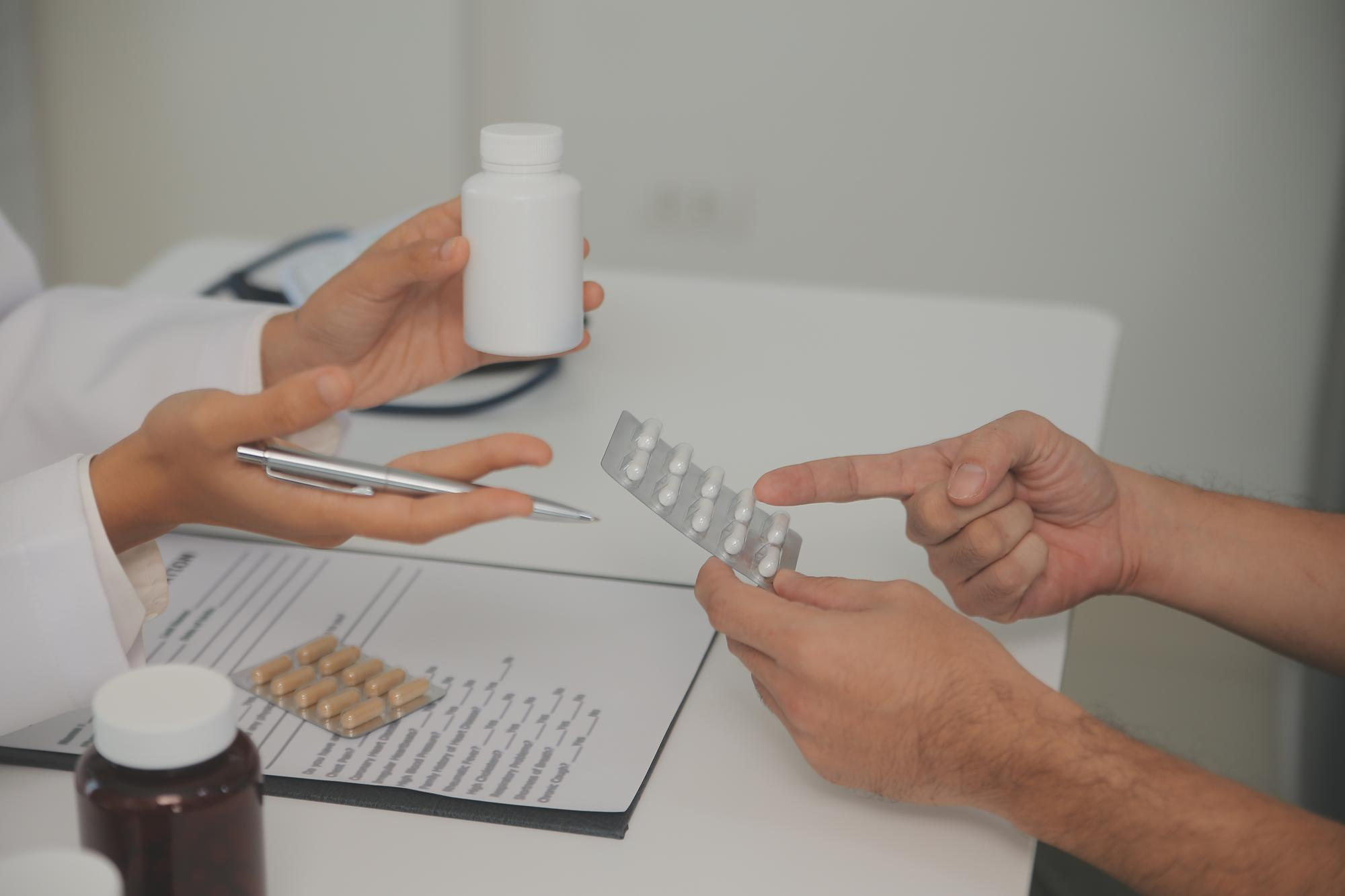
Verification is not a yes or no lookup on whether a carrier is accepted. It confirms whether the policy is active, which levels of addiction care the plan covers, what the plan requires before an admission can proceed, and what portion of cost falls to the patient.

Those four answers come back together, which is why a general statement that a carrier is accepted tells a family almost nothing useful. Two people holding cards from the same insurer can have different deductibles, different limits on days, and different requirements before an admission is authorized.

What we hand back at the end is a plain account of what the plan covers, where any gap sits, and what happens next. A family in the middle of a crisis should not have to interpret a benefits document written for a general audience while deciding whether to get someone into treatment this week.

‍

What to Have Ready Before You Call

The call moves faster when a few things are in front of you, though none of them are required to start the conversation. Nobody should delay calling because a card is missing.

Have the insurance card itself if you can find it, since the member identification number and the plan name are what verification runs on. A rough account of the substance involved, how long the person has been using, and how much they are using helps determine which level of care applies. 

Any current prescriptions and medical conditions matter too, since those shape how detox is managed and what the clinical request looks like.

If you are calling about someone else, you do not need their permission to ask questions or to understand options. Families call us about a spouse, a parent, or an adult child constantly, and our admissions staff are trained specifically for those conversations.

Stop trying to work out your benefits alone. Have your card nearby and let our team read your plan for you.

‍

‍

What Happens Between Verification and Admission

Once coverage is confirmed, the clinical side moves in parallel rather than waiting. The intake assessment establishes which level of care fits, and that assessment is what supports the authorization request going to the plan.

Most patients with significant physical dependence begin in medically supervised detox, which runs 5 to 6 days with physicians and nurses on site around the clock. Inpatient rehabilitation follows directly at the same facility, running up to 28 days, with no transfer and no gap where somebody is sent home to wait. 

Residential treatment, partial hospitalization, outpatient programs, and medication-assisted treatment are all available in the same building when the clinical picture calls for them.

Knowing what documents and assessments admission requires ahead of time removes most of the friction people fear about this step. In practice, the paperwork is far less demanding than the decision to make the call.

‍

How Insurance Verification Works in an Emergency

Not every admission happens with a week of planning behind it. An overdose, a hospital discharge, or a family reaching a breaking point on a Saturday night all compress the timeline to hours.

Verification still happens in those cases, just faster and alongside the clinical assessment rather than before it. Our admissions line runs 24 hours a day, every day of the year, weekends and holidays included, which exists precisely because crises do not schedule themselves around business hours.

Where somebody needs placement within hours, the practical constraints are bed availability and how quickly the clinical assessment can be completed. 

Knowing how emergency admissions when time matters are handled is useful for hospital social workers and families alike, because what a facility can do under time pressure is different from what it offers on a normal week.

‍

What to Ask Any Facility During Verification

Treat the verification call as your chance to assess the provider, not only the other way around. The questions that reveal the most are the ones a facility should be able to answer without hesitation.

Ask what state licensing they hold and what body accredits them, then check it yourself. We are licensed by the New York State Office of Alcoholism and Substance Abuse Services, licensed by the New York State Department of Health, accredited by the National Association of Addiction Treatment Professionals, and certified by LegitScript. Each of those is verifiable through the issuing organization.

Ask who is on site and when. We employ more than 125 health professionals, including physicians, registered nurses, pharmacists, nutritionists, licensed social workers, licensed mental health counselors, certified alcohol and substance abuse counselors, and certified recreational counselors, which produces one of the highest patient-to-therapist ratios of any inpatient rehab facility in New York City. 

Ask also what happens to your information. Everything shared with us is protected under HIPAA, and nothing is released without written consent.

‍

Frequently Asked Questions

Verification raises a predictable set of follow-up questions about who we treat and what happens once a plan is confirmed. These answers cover the ones families ask most.

Who is Elev8 Centers for?
‍
Elev8 Centers serves adults in New York City who are struggling with alcohol, opioids, heroin, cocaine, methamphetamine, prescription drugs, or multiple substances. It is also for patients with co-occurring mental health conditions, such as depression, anxiety, or PTSD, alongside a substance use disorder.

What is the difference between detox and inpatient rehabilitation?
‍
Detox clears the substance from the body under 24/7 medical supervision. It addresses physical withdrawal, typically lasting 5 to 6 days at Elev8. Inpatient rehabilitation follows detox and focuses on the behavioral, emotional, and psychological side of addiction through individual and group therapy. Both are separate stages of treatment, and at Elev8 they happen at the same facility without a gap between them.

What substances does Elev8 Centers treat?
‍
Elev8 treats addiction to alcohol, heroin, opioids, oxycontin, cocaine, methamphetamine, prescription drugs, and polysubstance use (multiple substances combined). Each patient receives an individualized treatment plan based on what substances are involved and the severity of dependence.

Can a family member call on behalf of someone who needs treatment?
‍
Yes. Family members and loved ones call Elev8 frequently on behalf of someone in crisis. The admissions team is trained to support these conversations and will guide the caller through options, insurance verification, and how to approach getting the person into care.

‍

Contact Us

Verification takes one conversation and costs nothing. Call (646) 347-1891, have your insurance card nearby if you can, and we will tell you what your plan covers before any decision gets made. Someone is available 24 hours a day, and the call stays confidential.

‍

‍

‍

‍Related Topics:

Posted on
November 17, 2026

Common Reasons Insurance Claims for Rehab Are Denied in New York

Posted on
November 17, 2026

Out-of-Network Rehab Costs in New York Explained

Posted on
November 17, 2026

Pre-Authorization Requirements for Inpatient Rehab

Posted on
November 17, 2026

Step-by-Step Process to Appeal a Rehab Insurance Denial in New York

Posted on
November 17, 2026

Medicaid and Medicare Coverage for Rehab in New York

Posted on
November 17, 2026

Are Inpatient Rehab Centers in New York Covered by Insurance?

Posted on
October 27, 2026

Alcohol vs Drug Detox: Medical Supervision Differences

Posted on
October 16, 2026

Withdrawal Symptoms Timeline by Substance

Posted on
October 27, 2026

Medical Screening Process Before Detox in New York Rehab Centers Explained

Posted on
October 16, 2026

Medications Used During Detox in New York Rehab Centers

Posted on
October 16, 2026

Can You Enter Inpatient Rehab Without Completing Detox in New York?

Posted on
October 27, 2026

How Long Does Detox Last Before Inpatient Rehab in New York?

Posted on
October 27, 2026

What Happens During Detox Before Inpatient Rehab in New York?

Posted on
September 27, 2026

Building a Relapse Prevention Plan After Rehab

Posted on
September 27, 2026

How Living Environment Impacts Long-Term Recovery Outcomes in New York

Posted on
September 27, 2026

How Data Is Used to Improve Treatment Outcomes in New York Rehab Centers

Posted on
September 27, 2026

How Rehab Centers in New York Track and Improve Recovery Outcomes

Posted on
September 27, 2026

Sober Living Homes in New York: Do You Need One After Rehab?

Posted on
September 27, 2026

What Happens After Rehab? Aftercare Planning Explained

Posted on
September 27, 2026

Is Inpatient Rehab Effective for Long-Term Recovery in New York?

Posted on
August 26, 2026

Role of Family Therapy in Addiction Recovery Programs

Posted on
August 26, 2026

Trauma-Informed Care in New York Inpatient Rehab Centers

Posted on
August 26, 2026

When Group Therapy Is More Effective Than Individual Therapy in New York Rehab Programs

Posted on
August 26, 2026

Cognitive Behavioral Therapy (CBT) in New York Rehab Programs Explained

Posted on
August 26, 2026

Evidence-Based vs Holistic Therapies in New York Rehab Centers: Which One Actually Works Best?

Posted on
October 2, 2026

How Does Medication-Assisted Treatment (MAT) Work in Inpatient Rehab?

Posted on
August 26, 2026

What Therapies Are Used in Inpatient Rehab in New York?

Posted on
October 2, 2026

Transitioning from Inpatient Rehab to Outpatient Care

Posted on
August 6, 2026

Employment Protection Laws for Rehab Patients in New York Explained

Posted on
October 2, 2026

Comparing IOP, PHP, and Inpatient Rehab in New York

Posted on
August 6, 2026

Clinical Criteria Doctors Use to Recommend Inpatient Rehab in New York

Posted on
August 6, 2026

What Level of Care Is Right for Your Addiction Severity in New York?

Posted on
August 6, 2026

How Misdiagnosis of Addiction Severity Affects Treatment Outcomes in New York Rehab

Posted on
October 2, 2026

When Outpatient Rehab Fails: When to Move to Inpatient
Posted on
June 23, 2026

Can You Be Forced Into Rehab in New York? Legal Options Explained

Posted on
June 15, 2026

Medical Detox vs Inpatient Rehab in New York: What's the Difference?

Posted on
June 15, 2026

Emergency Rehab Admissions in New York: What to Do

Posted on
June 15, 2026

Waitlists and Availability: How Fast Can You Enter Rehab in New York?

Posted on
June 23, 2026

What Are the Admission Requirements for Inpatient Rehab in New York?

Posted on
June 15, 2026

What Documents and Assessments Are Required for Rehab Admission?

Posted on
June 15, 2026

How to Get Someone Into Inpatient Rehab in New York

Posted on
May 21, 2026

Financial Assistance Programs for Rehab in New York

Posted on
August 7, 2026

Cost Differences Between Urban and Upstate Rehab Centers in New York

Posted on
August 7, 2026

State-Funded vs Private Inpatient Rehab Centers in New York

Posted on
May 21, 2026

Private Pay vs Insurance: Paying for Rehab in New York Explained

Posted on
August 26, 2026

Is Luxury Rehab Worth It in New York? Cost vs Value Breakdown

Posted on
August 3, 2026

In-Network vs Out-of-Network Rehab Coverage in New York Explained

Posted on
May 21, 2026

What Factors Influence the Cost of Inpatient Rehab in New York?

Posted on
April 30, 2026

What Determines the Length of Stay in New York Inpatient Rehab Programs?

Posted on
October 2, 2026

What Happens During the First 72 Hours in Inpatient Rehab in New York

Posted on
May 4, 2026

How Treatment Plans Are Adjusted During Inpatient Rehab in New York

Posted on
May 4, 2026

Inpatient vs Partial Hospitalization Programs (PHP) in New York: Key Differences

Posted on
May 4, 2026

What Types of Addiction Are Treated in New York Inpatient Rehab Centers?

Posted on
May 4, 2026

What Milestones Indicate Progress During Inpatient Rehab in New York

Posted on
October 2, 2026

Who Is a Good Candidate for Inpatient Rehab in New York?

Posted on
October 2, 2026

How to Determine If You Need Inpatient Rehab in New York

Posted on
October 2, 2026

How Inpatient Rehab Works in New York: What to Expect

Posted on
October 2, 2026

The Benefits of Choosing Inpatient Rehab Over Outpatient Care

Posted on
March 22, 2026

How to Choose the Right Inpatient Rehab Program in New York

Posted on
October 2, 2026

What Are the Signs You Need Inpatient Rehab in New York?

Posted on
August 7, 2026

Why Alcohol Detox Centers Are Essential for Overcoming Addiction

Posted on
February 15, 2026

What Is Alcohol Detox? Understanding the Process and Benefits

Posted on
August 7, 2026

Effective Detox for Teens: A Healthy Approach to Cleanse
Posted on
February 15, 2026

Best Medications for Alcohol Withdrawal Syndrome

Posted on
February 15, 2026

What Are the Best Methods for Alcohol Detox

Posted on
August 7, 2026

How Long Does a Drug Detox Last? A Timeline Explained

Posted on
January 19, 2026

How to Naturally Detox Your Body for a Drug Test

Posted on
October 2, 2026

How Long Does Drug Detox Take From Start to Stabilization

Posted on
October 2, 2026

How to Safely and Responsibly Drug Detox at Home

Posted on
October 2, 2026

What Is Drug Detox Like for Someone Entering Treatment for the First Time

Posted on
February 28, 2026

Top Advantages of Inpatient Drug Rehabilitation

Posted on
February 28, 2026

Acute Inpatient Drug Rehab: What You Need to Know
Posted on
October 2, 2026

Inpatient Drug Rehab Explained

Posted on
February 28, 2026

What Is an Inpatient Drug Rehabilitation Facility

Posted on
February 28, 2026

What Are the Essentials to Pack for Inpatient Drug Rehab?

Posted on
August 7, 2026

What You Should Know About Percocet

Posted on
February 28, 2026

What Enablers Do and How It Affects Addiction Patterns

Posted on
August 7, 2026

What is the Dope Drug and Why is It Used?

Posted on
February 28, 2026

How to Know If Your Weed is Laced

Posted on
February 28, 2026

What is a Dab and How Do Concentrates Compare?

Posted on
August 7, 2026

How to Slowly Detox From Alcohol: Natural Ways to Start

Posted on
October 23, 2025

Inpatient Alcohol Rehab Cost: What You Need to Know

Posted on
October 29, 2025

The Best Ways to Get Sober From Alcohol Without Rehab

Posted on
August 7, 2026

The True Cost of Alcohol Rehab Without Insurance Explained

Posted on
October 29, 2025

What is the Success Rate of Alcohol Rehab Programs?

Posted on
September 25, 2025

The Truth Behind How Long Muscle Relaxers Stay in Your System

Posted on
September 25, 2025

How Sprayed Weed Affects Your Body During Detox and Rehabilitation

Posted on
September 25, 2025

Understanding How Long Doxycycline Stays in Your System

Posted on
September 25, 2025

Does Ketamine Show Up on a 12 Panel Drug Test

Posted on
September 24, 2025

How Long Does It Take for Weed to Leave Your System?

Posted on
August 7, 2026

What to Expect in Outpatient Rehab: Common Challenges and How to Overcome Them

Posted on
August 7, 2026

What Is Outpatient Cardiac Rehab: Key Facts and Information

Posted on
August 7, 2026

How Effective Is Outpatient Rehab: Key Insights You Need to Know

Posted on
August 7, 2026

A Deep Dive Into How Outpatient Drug Rehab Works

Posted on
August 24, 2025

The Length of an Adderall Outpatient Rehab Program Explained

Posted on
July 20, 2025

Dopamine Detox Timeline: A Step-by-Step Guide to Reclaiming Focus

Posted on
July 21, 2025

Alcohol Recovery Steps: How to Achieve Sustainable Sobriety

Posted on
July 20, 2025

How Long Does Alcohol Stay in Urine: Facts and Myths Explained

Posted on
July 20, 2025

Can a Urine Drug Test Show How Much You Take: Factors That Matter

Posted on
July 20, 2025

What Do Muscle Relaxers Do: A Look at Their Side Effects and Benefits